Big Think
@bigthink·8.8M subscribers·10.1K videos
The Future of Debt, Interest Rates, and Taxes | Glenn Hubbard | Big Think
Posted
April 24, 2012
Views
160
Likes
1
Engagement
0.63%
April 24, 2012
160
1
0.63%
Every word spoken in this episode is indexed. Type any phrase to jump straight to the moment it was said.
Type any word or phrase that may have been spoken. Click a result to seek the player to that exact moment.
Try a name, a topic, or a quoted line
You’re on April 24, 2012. Earlier episodes are to the left, later ones to the right — the row keeps loading as you go. Click any card to open it.
 Apr 24, 20124:14Now Playing
The Future of Debt, Interest Rates, and Taxes
New videos DAILY
Join Big Think Edge for exclusive videos
----------------------------------------------------------------------------------
The Columbia Business School dean to President Obama: “Focus on getting that long-term deficit down.”
----------------------------------------------------------------------------------
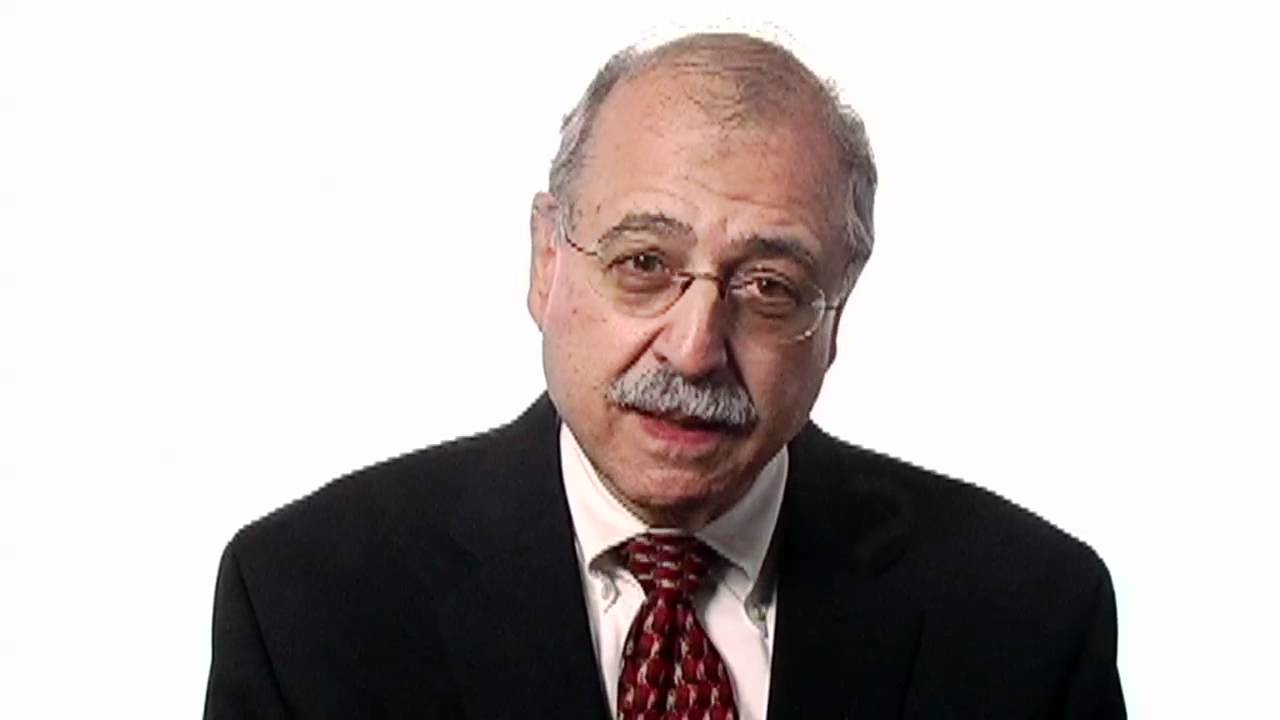
Glenn Hubbard:
Professor Hubbard is a specialist in public finance, managerial information and incentive problems in corporate finance, and financial markets and institutions. He has written more than 90 articles and books on corporate finance, investment decisions, banking, energy economics and public policy, including two textbooks, and has co-authored Healthy, Wealthy, & Wise: Five Steps to a Better Health Care System. In a recent book, Tax Policy and Multinational Corporations, he argues that U.S. tax policy significantly affects financing and investment decisions of multinational corporations. Hubbard has applied his research interests in business (as a consultant on taxation and corporate finance to many corporations), in government (as deputy assistant of the U.S. Treasury Department and as a consultant to the Federal Reserve Board, Federal Reserve Bank of New York and many government agencies) and in academia (in faculty collaboration or visiting appointments at Columbia, University of Chicago and Harvard).
----------------------------------------------------------------------------------
TRANSCRIPT:
Question: How does your research inform our understanding of the crisis?
Glenn Hubbard: Well in a perverse sense, for people like me, the crisis had a nice effect because, frankly, this is what I do research on, on models of so-called financial accelerators, what happens when you get into financial crises, what happens to investment, what happens to consumer spending. A lot of people like me have done work in this area have generally relied on historical episodes because that’s where we’ve seen crises, so now we have unfortunately an episode in the modern period. And what we know in those periods is that when you get into a financial crisis, the inside net worth of borrowers becomes very, very important. And this is what we saw in the collapse of consumer spending is consumer net worth decline and in the business sector, as the cost of external financing became very high as credit spreads became very high.
We also though have a sense of what to do in an environment like this. Very aggressive monetary policy is part of the answer, we did that with the Federal Reserve, tax cuts can be part of the answer. So, I think policy has been very aggressive today, much more aggressive than it was in Japan in the 1990’s or in the U.S. in the 1930’s, taking a crisis that was very bad, but making it not as bad as it could have been.
Question: How do you expect the crisis to impact long-term debt levels, and what does this imply for interest rates?
Glenn Hubbard: I’m very worried about this. What we have essentially is a set of deficit problems in the country. The very short run, I’m not sure that we should worry so much about the extra deficit that was used to help attack the financial crisis. I think it’s very important to be very aggressive, to give the Federal Reserve any administration credit there, I would have done perhaps a different set of things in the administration, but they’re basic thrust I’m okay with.
Going toward the medium term though, we’ve seen a built up both from the Bush Administration and now from the Obama Administration in significant levels of spending that will have to be paid for with future taxes and that deficit is a real problem and then the third deficit, the one that scares me the most, is the long-term entitlement deficit because of our promises for Social Security and Medicare. If you just let the clock run one generation, 25 years, we would be spending about 10 percentage points of U.S. GDP on just Social Security and Medicare than we do today and given that the whole federal tax share today is 19% of GDP, that would mean 60% tax increases for everybody, that’s obviously not going to happen, and so we’re going to have to come to grips with this. At some point, bond markets will worry about this and it will be a problem for interest rates because bond market participants will realize the U.S. is going to have a very difficult problem with these debt levels. If I were to say one thing to President Obama right now it would be focus, focus, focus, on getting that long-term deficit down.
Question: What level of taxation would be necessary to finance our current expenditures?
Read the full transcript at
Sentinel Indexing in Progress
Metadata and chapters are available. Claim extraction for this episode is pending.
All video content is delivered via YouTube embedded players in accordance with the YouTube Terms of Service. Sentinel provides research tools that promote discovery and accountability across political media.