Big Think
@bigthink·8.8M subscribers·10.1K videos
Only Good Writing Can Save Print Media | David Gelernter | Big Think
Posted
April 24, 2012
Views
377
Likes
2
Engagement
0.53%
April 24, 2012
377
2
0.53%
Every word spoken in this episode is indexed. Type any phrase to jump straight to the moment it was said.
Type any word or phrase that may have been spoken. Click a result to seek the player to that exact moment.
Try a name, a topic, or a quoted line
 2:10Now Playing
Only Good Writing Can Save Print Media
New videos DAILY
Join Big Think Edge for exclusive videos
----------------------------------------------------------------------------------
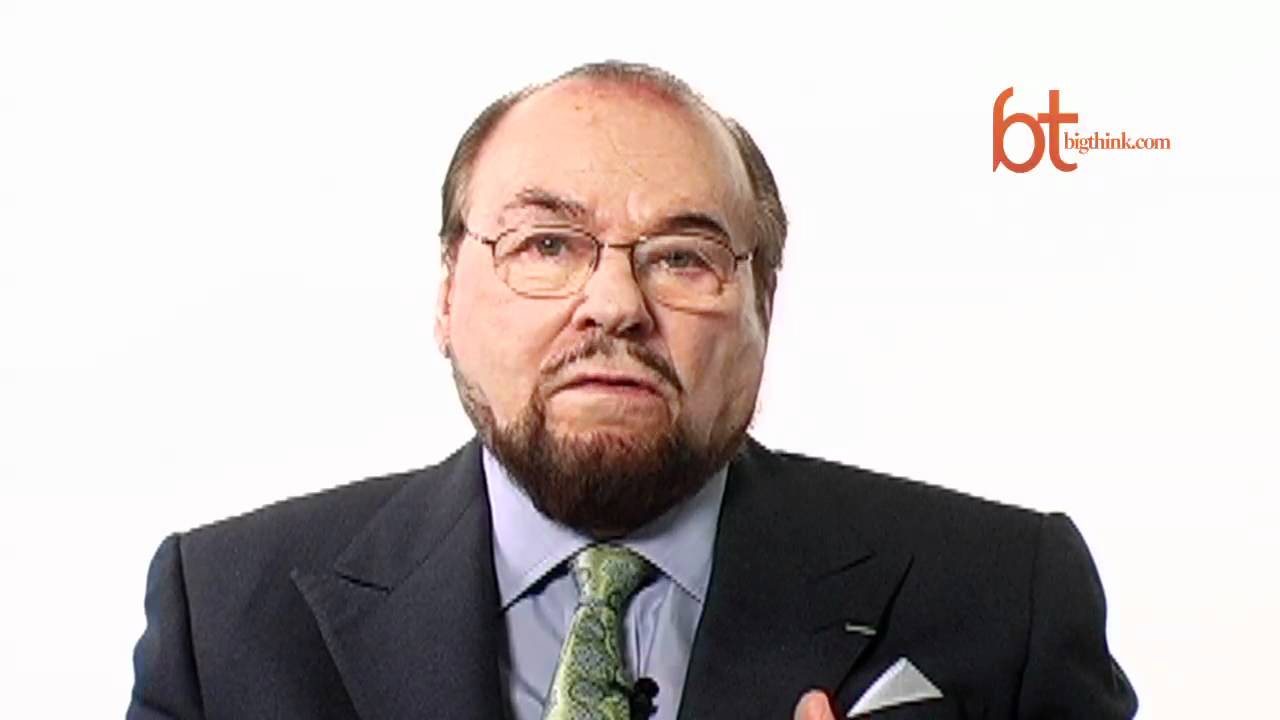
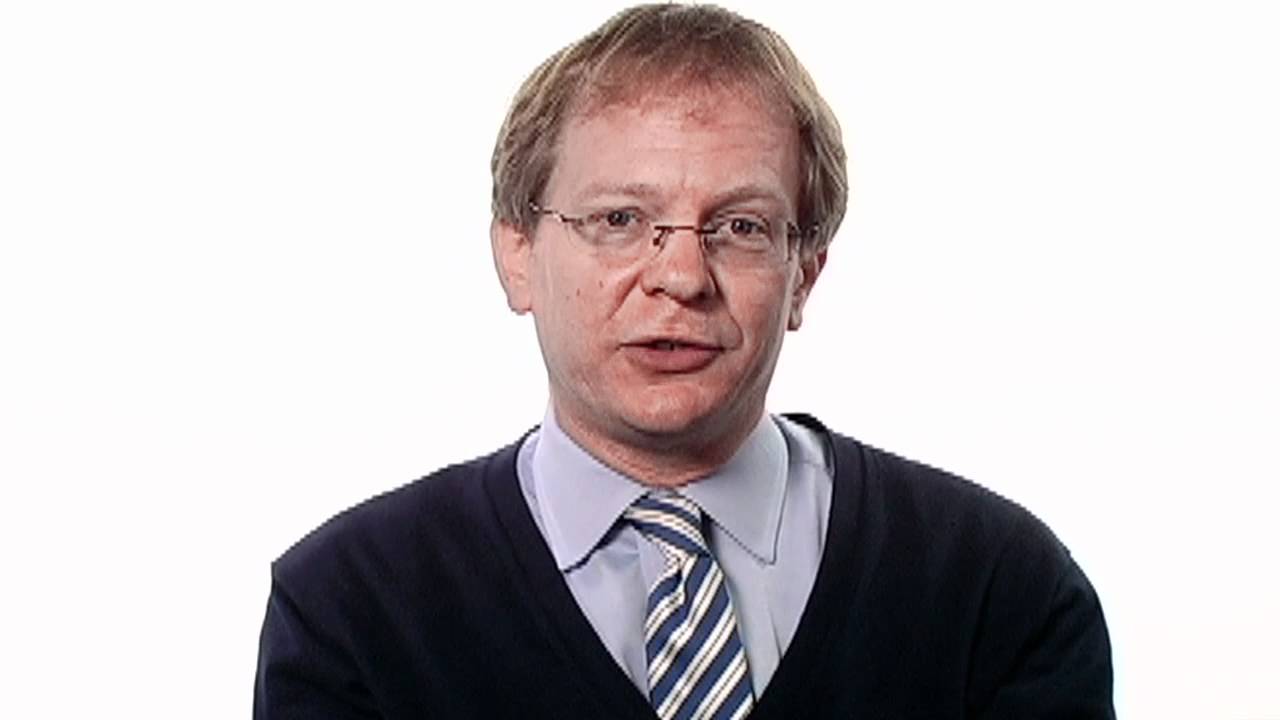
Every year, David Gelernter’s students at Yale “are less and less able to express themselves in writing.” Unless that trend changes, old media may wither.
----------------------------------------------------------------------------------
David Gelernter:
David Gelernter is professor of computer science at Yale, chief scientist at Mirror Worlds Technologies, contributing editor at the Weekly Standard, and member of the National Council of the Arts. He is the author of several books and many technical articles, as well as essays, art criticism, and fiction. The "tuple spaces" introduced in Carriero and Gelernter's Linda system (1983) are the basis of many computer-communication and distributed programming systems worldwide. According to Reuters, his book "Mirror Worlds" (Oxford University Press, 1991) "foresaw" the World Wide Web and was "one of the inspirations for Java"; the "lifestreams" system (first implemented by Eric Freeman at Yale) is the basis for Mirror Worlds Technologies' software. Gelernter is also the author of "The Muse in the Machine" (Free Press, 1994), the novel "1939" (Harper Perennial, 1995), "Machine Beauty" (Basic Books, 1998), and most recently, "Judaism: A Way of Being" (Yale University Press, 2010).
----------------------------------------------------------------------------------
TRANSCRIPT:
Question: Can print and digital media coexist in the future?
David Gelernter: In two ways. The service that print media traditionally makes available is editing, which can turn almost unintelligible random words into intelligible language, depending on how good a writer you are dealing with. The vast majority of mankind today writes badly and finds it difficult to – may have good ideas, but finds it difficult to write more than an articulate sentence. I’m really judging by my students. Each year, my students at Yale, which is a good university, we get very good students, are less and less able to express themselves in writing. So, the print media more than ever provides editing and provides authority, respectability. If I go to a newsstand 30 years ago, and there are five newspapers, it’s important for me to know that I trust this newspaper and I don’t trust that one. But if today I go to the Web and there are 30,000 sites, it’s even more important for me to go to a site which I have some reason to trust consistently over the long term. I think the print media have failed to make the most of their opportunity. They may all disappear because they are approaching things in the wrong way. But editing to produce coherent, readable text and authority so that readers know how to spend - no matter how much information there is, I have the same number of minutes in my day, and I need to look to sources that I trust, beginning with the print media, newspapers I read, magazines I read, publishers I trust to give me advice on how to spend those minutes. Print media will flourish if it does that. I don’t know if it will.
UP NEXT
“Abolishing the Book Is Like Abolishing the Symphony”
Sentinel Indexing in Progress
Metadata and chapters are available. Claim extraction for this episode is pending.
All video content is delivered via YouTube embedded players in accordance with the YouTube Terms of Service. Sentinel provides research tools that promote discovery and accountability across political media.