Big Think
@bigthink·8.8M subscribers·10.1K videos
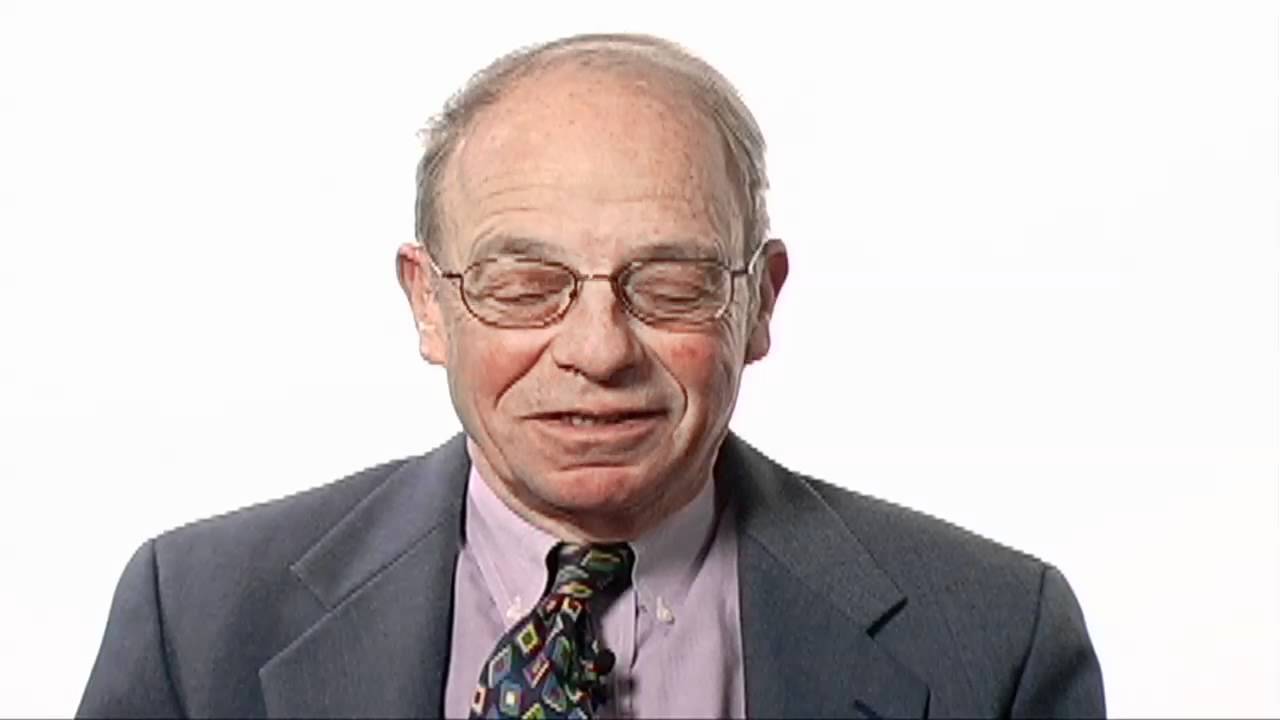
Big Think Interview With David Gelernter | Big Think
Posted
April 24, 2012
Views
3,176
Likes
31
Comments
3
Engagement
1.07%
April 24, 2012
3,176
31
3
1.07%
Every word spoken in this episode is indexed. Type any phrase to jump straight to the moment it was said.
Type any word or phrase that may have been spoken. Click a result to seek the player to that exact moment.
Try a name, a topic, or a quoted line
 11:41Now Playing
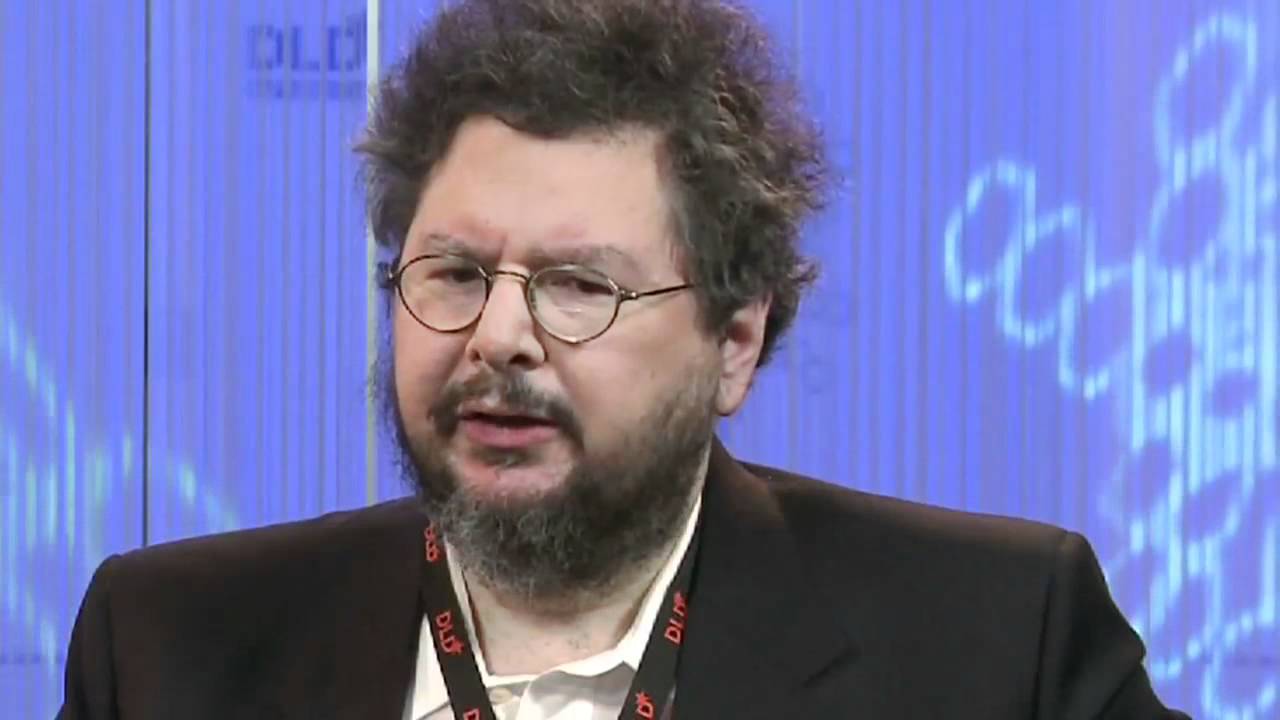
Big Think Interview With David Gelernter
New videos DAILY
Join Big Think Edge for exclusive videos
----------------------------------------------------------------------------------
A conversation with the writer, artist, and Yale computer scientist.
----------------------------------------------------------------------------------
David Gelernter:
David Gelernter is professor of computer science at Yale, chief scientist at Mirror Worlds Technologies, contributing editor at the Weekly Standard, and member of the National Council of the Arts. He is the author of several books and many technical articles, as well as essays, art criticism, and fiction. The "tuple spaces" introduced in Carriero and Gelernter's Linda system (1983) are the basis of many computer-communication and distributed programming systems worldwide. According to Reuters, his book "Mirror Worlds" (Oxford University Press, 1991) "foresaw" the World Wide Web and was "one of the inspirations for Java"; the "lifestreams" system (first implemented by Eric Freeman at Yale) is the basis for Mirror Worlds Technologies' software. Gelernter is also the author of "The Muse in the Machine" (Free Press, 1994), the novel "1939" (Harper Perennial, 1995), "Machine Beauty" (Basic Books, 1998), and most recently, "Judaism: A Way of Being" (Yale University Press, 2010).
----------------------------------------------------------------------------------
TRANSCRIPT:
Question: What balance dornyou strike between your teaching, writing, science, and art?
David Gelernter:rnNowadays, I spend my time mainly painting. I have an exhibition coming up. Generally speaking, I spend more time painting than doingrnanything else, except for writing. rnI’ve been writing pieces for—some pieces connected with DLD where I gotrnto meet Frank Schumacher, who's been associated with the meeting for some time, andrnis an editor and publisher at the Frankfurter Allgemeine Zeitung, and a remarkable guy. So, I agreed to write a series ofrnpieces for them and he’s a wonderful guy and I think Europe is more interestedrnin the implications as opposed to the immediate market meaning ofrntechnology. I mean, I don’trnthink people are better educated or more thoughtful or any different, they’vernjust got a somewhat different focus. rnI think growing out of the nature of the European market and the originrnof so much of the technology in the United States gives them one degree of remove,rnwhich I think is useful. There’s arnlot of thoughtful people over there.
Question: What is thernfocus of your new art exhibition?
David Gelernter:rnWell, let’s see, this is the latest of a series of exhibits at Yale, which is arngood place for me to exhibit. Irnlike to sell paintings, not from galleries, but from a more informal,rnone-on-one way, and so a non-commercial gallery space in which to exhibit, is, forrnme, very useful. I mainly—I’vernbeen trying for many years, I should say for many decades at this point, tornfigure out what Jewish art is, if there is such a thing. It’s come to seem to me that Jewish artrnis paintings of words. Not justrnpaintings in which words appear, or words on a wall, but paintings in which thernwords themselves have meaning and decorative significance and conceptual weight. It’s hard to describe an image,rnespecially one that is somewhat idiosyncratic, but anyway. General idea.
Question: How doesrnJudaism shape your work?
David Gelernter:rnGenetically, to begin with. When Irndo think up pictures, my own job description is an image thinker, as manyrnpeople have been, and what I do is a matter of the images that float through myrnhead. Many people think in images,rnit’s hard to say how many. rnCertainly many people think in images some of the time. Many people think in images virtuallyrnall the time. When I’m working inrnsoftware, I’m thinking of the picture that needs to appear on the screen orrnthat needs to appear in the user’s head in order to make sense of the software. In the studio, more directly, I try andrntake as any painter does, as any artist does, tries to take what is in his headrnand make it concrete which is a constant—which is a struggle, which isn’t easy,rnbut is what art has always been about.
When I write, I tend to write vividly or try to writernvividly, and it’s also a matter of the images that drift through one’srnhead. So, this is the way I dealrnwith the world, picture-wise.
Question: Why do yournbelieve Judaism is the central intellectual development in Western history?
Read the full transcript at
Sentinel Indexing in Progress
Metadata and chapters are available. Claim extraction for this episode is pending.
All video content is delivered via YouTube embedded players in accordance with the YouTube Terms of Service. Sentinel provides research tools that promote discovery and accountability across political media.