Big Think
@bigthink·8.8M subscribers·10.1K videos
Making Sex Safe for Teens | Laurence Steinberg | Big Think
Posted
April 24, 2012
Views
1,619
Likes
6
Engagement
0.37%
April 24, 2012
1,619
6
0.37%
Every word spoken in this episode is indexed. Type any phrase to jump straight to the moment it was said.
Type any word or phrase that may have been spoken. Click a result to seek the player to that exact moment.
Try a name, a topic, or a quoted line
You’re on April 24, 2012. Earlier episodes are to the left, later ones to the right — the row keeps loading as you go. Click any card to open it.
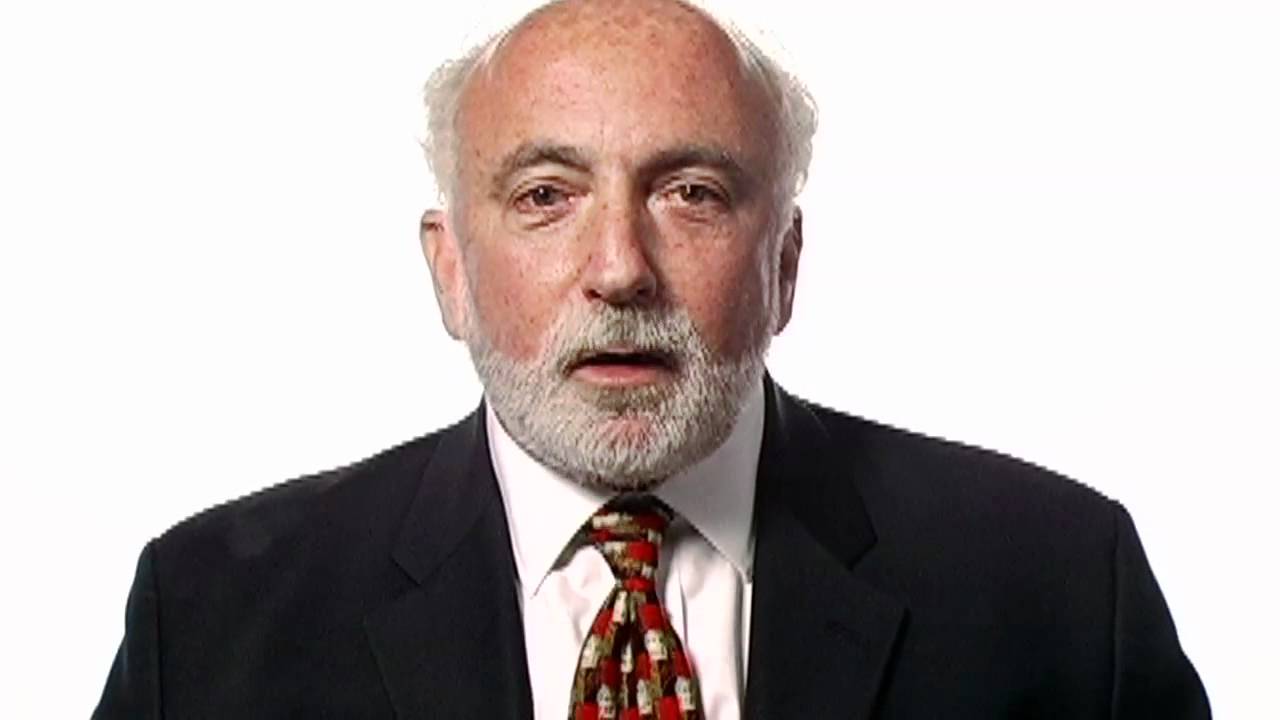 Apr 24, 20124:42Now Playing
Making Sex Safe for Teens
New videos DAILY
Join Big Think Edge for exclusive videos
----------------------------------------------------------------------------------
Studies almost unanimously show that unstructured, unsupervised time is a recipe for disaster for adolescents in terms of risk and reckless behavior. So what steps can be taken to curb potentially dangerous behavior?
----------------------------------------------------------------------------------
Laurence Steinberg:
Laurence Steinberg is the Distinguished University Professor of Psychology at Temple University. An internationally renowned expert on psychological development during adolescence, he is the author of more than 250 articles and essays on growth and development during the teenage years, and the author or editor of eleven books, including Adolescence the leading college textbook on adolescent development. A graduate of Vassar College and Cornell University, he was named as the first recipient of the Klaus J. Jacobs Research Prize in 2009, one of the largest prizes ever awarded to a social scientist, for his contributions to improving the lives of young people and their families.
----------------------------------------------------------------------------------
TRANSCRIPT:
Question: How can we make sex safer for teens?
Laurence Steinberg: Well, you know, of course, changing the context in which kids have sex is the most difficult of all because it's a private matter, and we're not there. There are a couple of things that can be done. We can make contraception more easily available to kids so that they have it with them. Some kids -- not the majority -- but some kids say in surveys that the reason that they don't use contraception is that they don't have access to it, so we could do something about that. And there have been school-based clinics that have distributed condoms to kids who come in there, give them away for free, have been shown to be effective when it's combined with other efforts to educate kids about safe sex. We can limit the opportunities kids have to be by themselves without adult supervision. The main period of time now for adolescents to engage in risky behavior is between three o'clock and six o'clock in the afternoon, when they're home or in their friends' homes and their parents are at work. I mean, we now know this.
Most kids -- you know, the image of kids having sex for the first time in the back seat of their car? Forget it. They're having it in their own homes or in their romantics partner's home. And so having better supervision of kids, more situations in which adults are around, is going to help all kinds of risky behavior, including risky sexual behavior. And how can we do that? We can make parents more aware of the need to monitor their kids, even when their kids are teenagers. We can do a better job of funding and putting in after-school programs for kids, so that the time after school is spent in structured situations where there are adults who are supervising it. But there's a huge literature showing that unstructured, unsupervised time is a recipe for disaster for adolescents in terms of risk and reckless behavior.
Question: What about drug abuse?
Laurence Steinberg: Well, I think we have a little more power to affect teenage drug abuse than we do to affect teenage sexual behavior. So here are some other things that we can do: we can make it harder for kids to get the substances through better interdiction and through better enforcement of point-of-sale laws. And that -- both of those things have proven to be effective. We can tax the hell out of these things, which frankly is probably the best single intervention that we could do. So if you look at the decline in smoking that's taken place over time, which is a great thing, so fewer people smoke, fewer kids smoke than was the case a couple of decades ago. The reason for that has almost nothing to do with programs to educate kids about the dangers of smoking. It has to do with an increase in the retail price of cigarettes. So kids who don't have a lot of money are very price-sensitive, and so if we continue as we've been doing to increase the cost of buying cigarettes, fewer and fewer kids are going to smoke. And if we increase the cost of purchasing alcohol, fewer kids would drink
Question: What should parents do when they notice reckless behavior from teens?
Read the full transcript at
Sentinel Indexing in Progress
Metadata and chapters are available. Claim extraction for this episode is pending.
All video content is delivered via YouTube embedded players in accordance with the YouTube Terms of Service. Sentinel provides research tools that promote discovery and accountability across political media.