Big Think
@bigthink·8.8M subscribers·10.1K videos
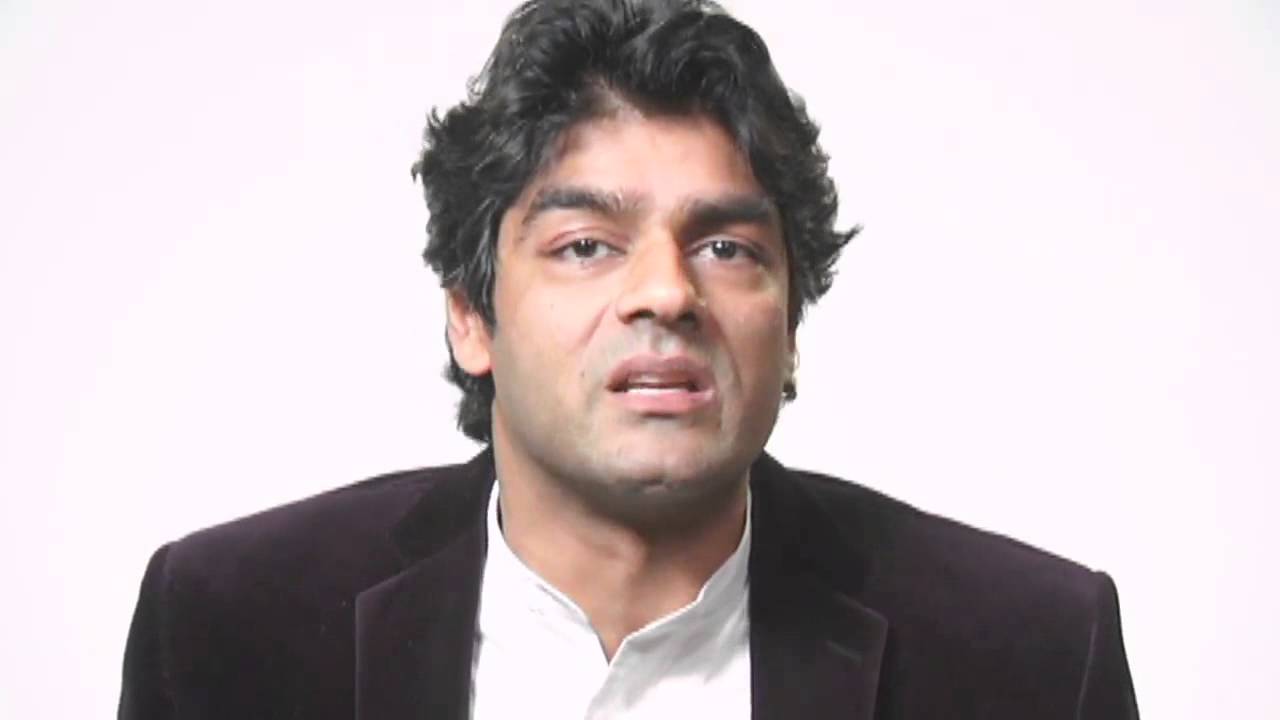
How Obama Can Improve American Education | Laurence Steinberg | Big Think
Posted
April 24, 2012
Views
323
Likes
1
Comments
1
Engagement
0.62%
April 24, 2012
323
1
1
0.62%
Every word spoken in this episode is indexed. Type any phrase to jump straight to the moment it was said.
Type any word or phrase that may have been spoken. Click a result to seek the player to that exact moment.
Try a name, a topic, or a quoted line
You’re on April 24, 2012. Earlier episodes are to the left, later ones to the right — the row keeps loading as you go. Click any card to open it.
 Apr 24, 20122:58Now Playing
How Obama Can Improve American Education
New videos DAILY
Join Big Think Edge for exclusive videos
----------------------------------------------------------------------------------
A developmental psychologist explains the three key measures that education reform must achieve.
----------------------------------------------------------------------------------
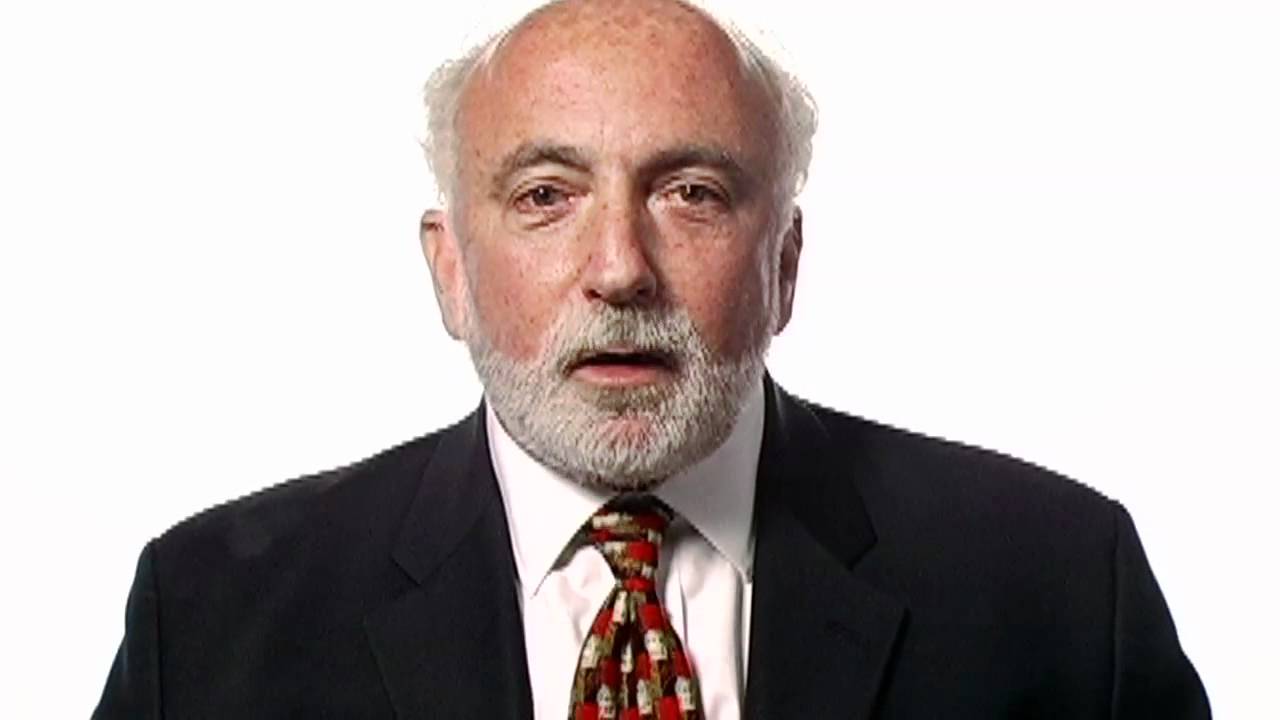
Laurence Steinberg:
Laurence Steinberg is the Distinguished University Professor of Psychology at Temple University. An internationally renowned expert on psychological development during adolescence, he is the author of more than 250 articles and essays on growth and development during the teenage years, and the author or editor of eleven books, including Adolescence the leading college textbook on adolescent development. A graduate of Vassar College and Cornell University, he was named as the first recipient of the Klaus J. Jacobs Research Prize in 2009, one of the largest prizes ever awarded to a social scientist, for his contributions to improving the lives of young people and their families.
----------------------------------------------------------------------------------
TRANSCRIPT:
Question: How would you advise Obama on education reform?
Laurence Steinberg: Well, number one would be to use the bully pulpit to get parents more involved in their kids' education. And that includes reading to them when they're little, staying involved in their education not only in elementary school, but in middle school and high school as well. The second is to push for standards-based reform, to continue along this line, and to ask states to do this.
I think a third thing for the President to do is to again use the bully pulpit -- and I say that because you know the federal government has very little to do with education. All he can do is encourage; he can't really do very much more than that. But I think a third thing would be to try to encourage more talented people to go into teaching and to go into education, because we need good teachers if we're going to deal with the American achievement problem. And I think -- again, I'm not sure what he can actually do, except maybe by setting an example -- and I think President Obama is in a position to do this because he's obviously a very smart guy, and he's also a very cool guy. And I think that to the extent that we want to get kids to see that you can be both, that maybe we can build on his reputation and his persona to encourage that. So those are the main things that I would suggest.
Question: How would you evaluate Obama’s proposals for education reform?
Laurence Steinberg: I think -- I'd have to say at this point that there haven't been many proposals. So -- I mean, certainly the principles that President Obama has articulated are important ones. I think they're pretty consistent with the kinds of things that I and other people have been saying we need to do. He certainly understands the importance of education to the American economy. In his controversial speech to those schoolchildren he talked about the importance of doing well in school, of staying in school, in other words, of being engaged in school. That's all good. I think that education really has not been a priority of the administration so far because it's been understandably concerned with the economy, with health care, with the wars in Iraq and Afghanistan. So I guess I'd like to wait and see what actually develops before we start talking about whether the policies are good or not.
Sentinel Indexing in Progress
Metadata and chapters are available. Claim extraction for this episode is pending.
All video content is delivered via YouTube embedded players in accordance with the YouTube Terms of Service. Sentinel provides research tools that promote discovery and accountability across political media.