Big Think
@bigthink·8.8M subscribers·10.1K videos
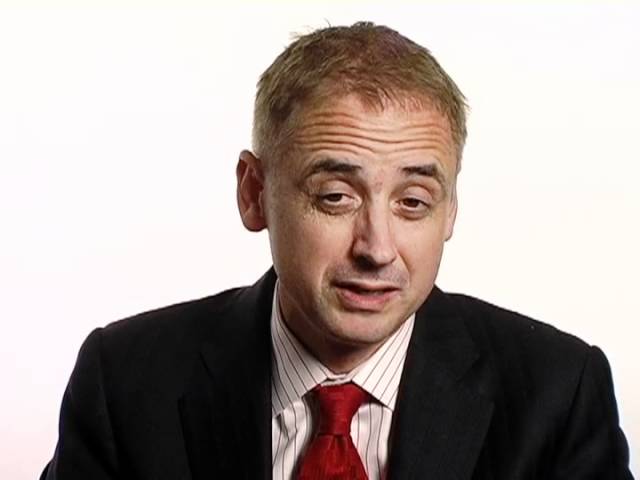
Mia Kirshner on the Impact of Art | Big Think
Posted
April 24, 2012
Views
13,585
Likes
183
Comments
11
Engagement
1.43%
April 24, 2012
13,585
183
11
1.43%
Every word spoken in this episode is indexed. Type any phrase to jump straight to the moment it was said.
Type any word or phrase that may have been spoken. Click a result to seek the player to that exact moment.
Try a name, a topic, or a quoted line
 2:01Now Playing
Mia Kirshner on the Impact of Art
New videos DAILY
Join Big Think Edge for exclusive videos
----------------------------------------------------------------------------------
Mia Kirshner knew a greater awareness of human rights could be inspired through art.
----------------------------------------------------------------------------------
Mia Kirshner:
Mia Kirshner is best known for her work as a television and film actress. She has played leading roles in Love and Human Remains, Exotica and The Crow: City of Angels as well as the award-winning television series 24. In 2008, Kirshner published I Live Here with Random House/Pantheon. In the book, she documents women and children refugees in Chechnya, Ciudad Juárez and Malawi. It was co-produced with Adbusters collaborators Paul Shoebridge and Michael Simons and features comic and graphic work by Joe Sacco and Phoebe Gloeckner. Proceeds from I Live Her Here go to Amnesty International. Kirschner studied Russian literature and 20th-century film industry at McGill University in Montreal.
----------------------------------------------------------------------------------
TRANSCRIPT:
Question: What is art’s role in changing the world?
Kirshner: I can only answer this question for the role that art has had in my life and why I wanted to do this book. I think when you see something that you relate to a story, that you relate to it makes you feel less lonely in this world. I think art has the ability to mobilize and inspire and make people aspire. So, I mean, that’s the great place of art. I think art makes us better and I think there was, for me, a real gap in the issue of human rights and the lack of, I don’t know, accessible art, I guess that could sort of make people understand and relate to these stories in ways in which they would perhaps do something and to stop it. Is it funded enough? No, no. It’s really been very difficult and it should be funded. For so many reasons because without art it’s a flat society, we need that, we need that inspiration, and without art, our world is a dead place. So, you know, and the role of amateur art or out sometimes, I think of it as outsider art that has a tremendous place. It release us a lot about the culture somebody comes from and there’s something really raw and pure about having somebody who is not trained just write and just photograph. It’s almost like a smudge that’s so fresh you can touch it, and that’s why and that’s why I believe in this so much.
Sentinel Indexing in Progress
Metadata and chapters are available. Claim extraction for this episode is pending.
All video content is delivered via YouTube embedded players in accordance with the YouTube Terms of Service. Sentinel provides research tools that promote discovery and accountability across political media.