Big Think
@bigthink·8.8M subscribers·10.1K videos
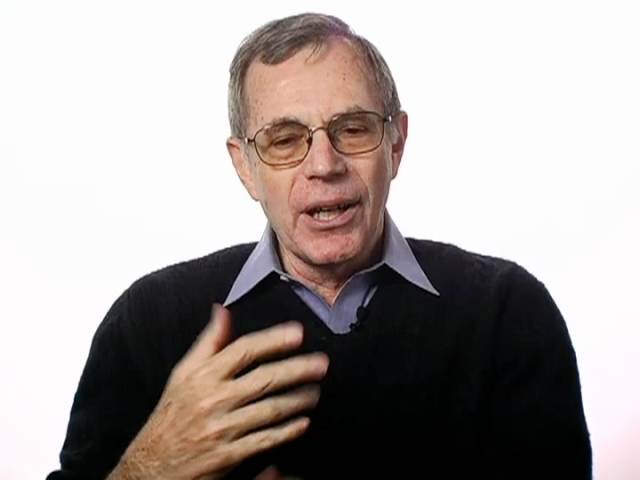
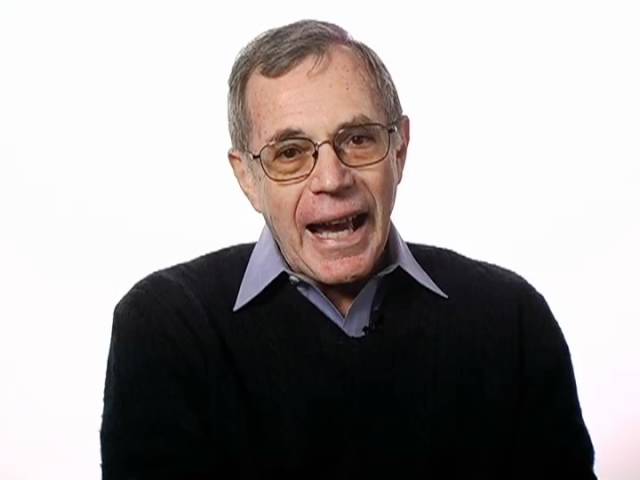
Michael York On Shakespeare | Big Think
Posted
April 24, 2012
Views
5,222
Likes
63
Comments
13
Engagement
1.46%
April 24, 2012
5,222
63
13
1.46%
Every word spoken in this episode is indexed. Type any phrase to jump straight to the moment it was said.
Type any word or phrase that may have been spoken. Click a result to seek the player to that exact moment.
Try a name, a topic, or a quoted line
 8:41Now Playing
Michael York On Shakespeare
New videos DAILY
Join Big Think Edge for exclusive videos
----------------------------------------------------------------------------------
Michael York on the user-friendly bard.
----------------------------------------------------------------------------------
Michael York:
Michael York, OBE is an English actor. An early career with the National Youth Theater, Oxford University Dramatic Society, and University College Players led him to the National Theater in London. After acclaimed roles in Zeffirelli's Romeo and Juliet (1968), Cabaret (1972) and Jesus of Nazareth (1977), he is more recently known among mainstream audiences for his role as Basil Exposition in the Austin Powers series of comedy films. Classically trained, Michael York wrote a handbook "A Shakespearean Actor Prepares."
----------------------------------------------------------------------------------
TRANSCRIPT:
York: You have to acknowledge that Shakespeare was one of the primary inventors of the language that we use today. He was a fountainhead of phrases and words and so on that we now take for granted. Of course the other great shaper of our language is the King James version of the bible. But it has a paltry vocabulary compared with Shakespeare's fountain of, explosive fountain of words. So he did you know, in terms of you know, just giving us the means to communicate, he's our godfather. I think he's acknowledged as one of the greatest dramatists ever. The fact that the Russians claim him you know, the French, the Germans, the whatever that he's not English or American. He is this universal playwright, speaking and voicing extraordinary truths, because he seems to have the finger on the pulse of what makes people tick. He's fascinated by the human condition and yet you know, you have to put it back, he was also you know, writing plays for actors to perform. And so the formula is very-- he's extraordinary because he is, in the same play that he can you know, for people who are you know, maybe a little more educated, have the essays of Bacon in their pockets going to watch a Shakespeare play, they will get this wonderful existential examination of you know, what is man. What's the point? Where are we going? You know, what is death? All these wonderful issues in the same play that an ignorant, uneducated citizen can pay his penny, stand in the rain and watch a play about armies and witches and poisonings and revenge and so on. He absolutely gets his money's worth. So he has this wonderful ability to encompass all these interests. I think for the actor also, he is one of the most generous of authors because he doesn’t want you to-- you don't have to do you know, what the author intended because you're never quite sure with Shakespeare what he intends. He sort of supplies great situations, extraordinary words, but he wants your collaboration. He wants your input and it's always a teamwork. You know, there's not a definitive thing that you have to do that makes it a Shakespearean performance or a Shakespearean Hamlet. That's not what he wants. And that's I think, the reason why he's endured for so long and why every country sees you know, sees him as their you know, playwright and why he'll go on being performed. Because he's yes, you know, languages change over the years and the fact that all his you know, the phrases that he used they are not pretentious and highfaluting and poetic. The imagery is all from you know, chairs and tables and glasses and whatever, the things that can people relate to. You know, he doesn’t talk in self-conscious poetic terms.
Question: Why does Shakespeare intimidate some people?
York: Because he's being made an academic subject which he would have hated. But once you get, if the class was made to perform a play, to you know, to actually inhabit the roles and make them live, once you get behind it, it's amazing. And kids get Shakespeare and he's very, very user-friendly.
Question: What have been your favorite roles?
York: I think if you're a young person growing up, adolescent and you play Hamlet and there are all sorts of things that you relate to, it's all about relationship with parents and loyalties and friends, school friends. What's it all about? You know, love and you know, relationships with women. It's lots of things you know, you related to and the other thing about Shakespeare is that the language, it's very-- as I said, it's very easy to learn in a way, because again Shakespeare is a genius and he constructs language in such a way that you know, inhabits an actor's mind very comfortably.
Read the full transcript at
Sentinel Indexing in Progress
Metadata and chapters are available. Claim extraction for this episode is pending.
All video content is delivered via YouTube embedded players in accordance with the YouTube Terms of Service. Sentinel provides research tools that promote discovery and accountability across political media.