Big Think
@bigthink·8.8M subscribers·10.1K videos
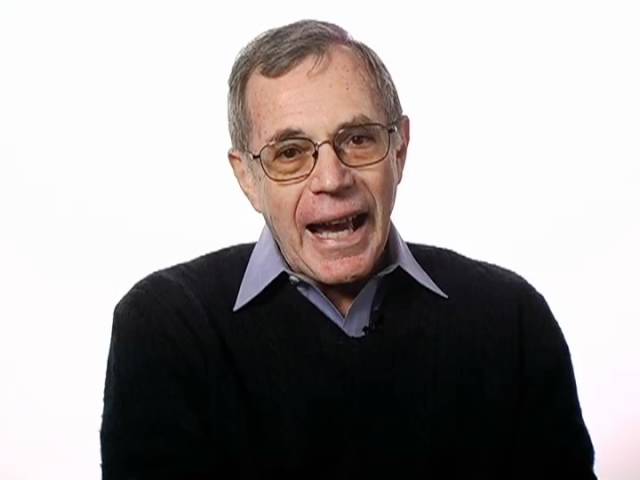
Matt Miller on the Virtues of Meritocracy | Big Think
Posted
April 24, 2012
Views
2,539
Likes
12
Engagement
0.47%
April 24, 2012
2,539
12
0.47%
Every word spoken in this episode is indexed. Type any phrase to jump straight to the moment it was said.
Type any word or phrase that may have been spoken. Click a result to seek the player to that exact moment.
Try a name, a topic, or a quoted line
 4:13Now Playing
Matt Miller on the Virtues of Meritocracy
New videos DAILY
Join Big Think Edge for exclusive videos
----------------------------------------------------------------------------------
The idea that the US has an economic meritocracy is a fallacy, the author says.
----------------------------------------------------------------------------------
Matt Miller:
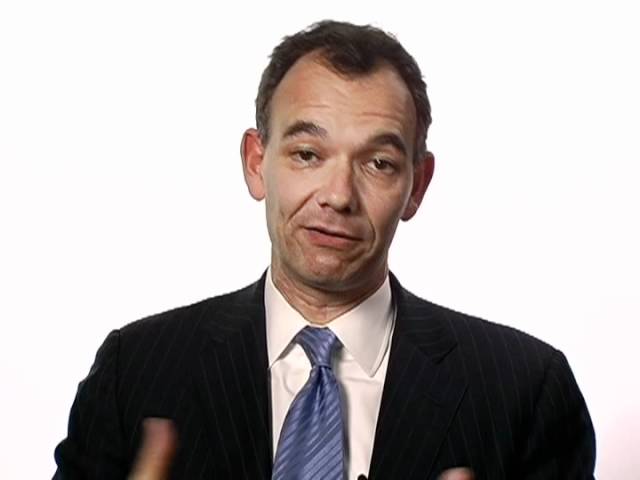
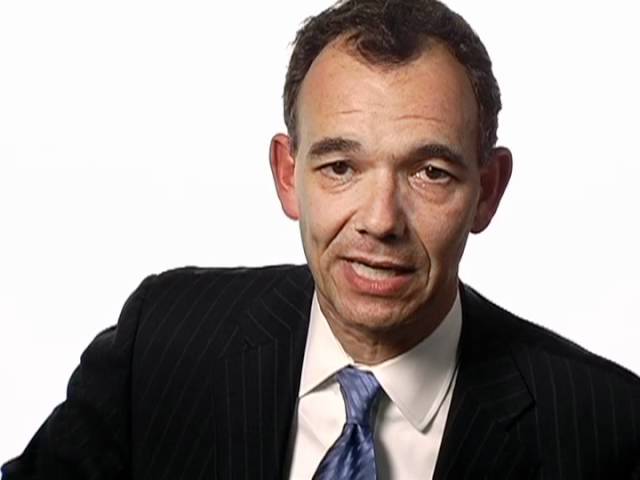
Matt Miller is a senior fellow at the Center for American Progress; a contributing editor at Fortune; and the host of "Left, Right & Center," public radio's popular week-in-review program. Miller's first book, The Two Percent Solution: Fixing America's Problems In Ways Liberals And Conservatives Can Love, was published in 2003, and was a Los Angeles Times bestseller. His latest book, The Tyranny Of Dead Ideas, was published by Henry Holt/Times Books in January 2009. Miller served as Senior Advisor to the Director of the Office of Management and Budget from 1993 to 1995. He lives with his family in Los Angeles.
----------------------------------------------------------------------------------
TRANSCRIPT:
Question: Is meritocracy a dead idea?Miller: The way meritocracy, economic meritocracy has played out in the United States I do have a problem with because I think it’s a myth, you know, as I call it. I think it’s a dead idea. In that sense, I think not necessarily among everyday Americans. But I think among the, which I may call the educated class, what I call the lower-upper class in the book, I think there’s a sense that’s build up that people end up economically where they deserve to and that’s a function of the kind of long transition in our culture to the SAT driven system of college admissions, the way the young people, you know, from an early age sort of jump through those hoops. And if they’re successful doing that, they’re successful gaining access to the best colleges, they sort of feel a kind of entitlement to the lion’s share of the material rewards that society has to offer. And I think, you know, put aside the fact that there’s obviously no link between that kind of merit and any kind of dignity or moral sense of worth in society, but I think it’s also true and I think lower-uppers are increasingly realizing that there’s isn’t a link between even merit in that sense, in that narrow sense and who ends up the wealthiest and most powerful in society. You’ve got the rise of the undeserving ultra-rich as I call it in the book. You know, CEOs who end up presiding over the demolition of companies, like Charles Prince at Citigroup or the fellow at Countrywide or all these folks who have walked away with $100 million, $200 million, while not only their companies have decimated and tens of thousands of people end up laid off. But, you know, the subprime mortgage peddlers are all retired to the country club now while the entire country is going through the worst crisis since the depression. So, you know, the question I ask is, you know, how ubiquitous does this kind of undeserving wealth become before it becomes so corrosive in a democracy that it wrongly discredits capitalism altogether. So, I think the lower-uppers looking at that are realizing that money doesn’t necessarily follow merit the way they quite assume and what I think is that they look up and see that. And this is an important segment of society, this couple of million people who are senior vice presidents of marketing, they’re professors, they’re media observers, they’re professionals, lawyers, doctors who have themselves have become to chafe a little bit and see the sort of unimaginable wealth above them when they thought they themselves were positioned to be quite comfortable. And I think that the empathy that may awaken in them for the far greater group that’s below them on the income scale will help them become a constituency for the kind of security and opportunity agenda we need for the country at a time of all this rapid economic change.
Question: How did Americans lose a fundamental sense of fairness?Miller: I don’t think it’s fair to blame one party or another for this and, you know, I supposed it’s tempting to say somehow it’s all a function of parenting. Because somewhere along the line, there was a kind of ethical compass, especially a leadership ethic that got lost. And I think that, you know, when I read the headlines everyday, it’s hard not to think that we’re not seeing a failure of elites in every segment of society. I mean whether it’s, you know, Bernie Madoff abusing the trust, you know, this is a guy who’s chair of the NASDAQ, a respective member of the Wall Street Community, you know, a bastion of the Jewish community.
Read the full transcript at
Sentinel Indexing in Progress
Metadata and chapters are available. Claim extraction for this episode is pending.
All video content is delivered via YouTube embedded players in accordance with the YouTube Terms of Service. Sentinel provides research tools that promote discovery and accountability across political media.