Big Think
@bigthink·8.8M subscribers·10.1K videos
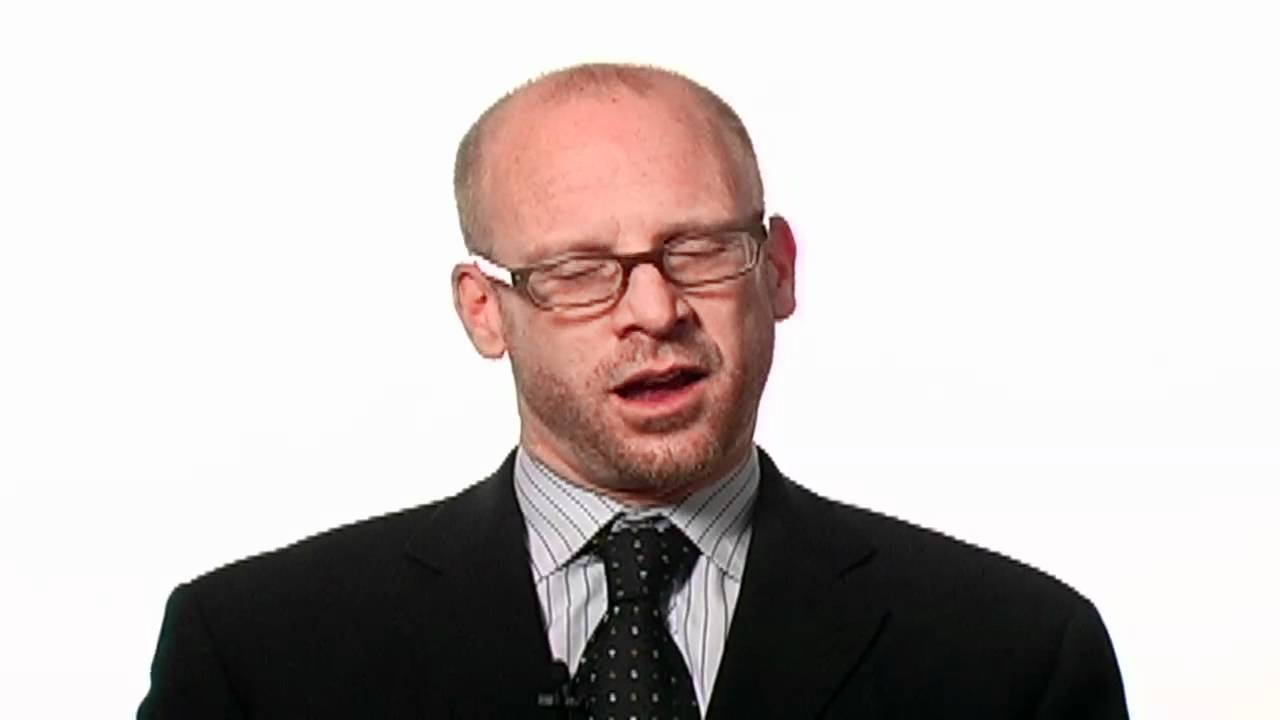
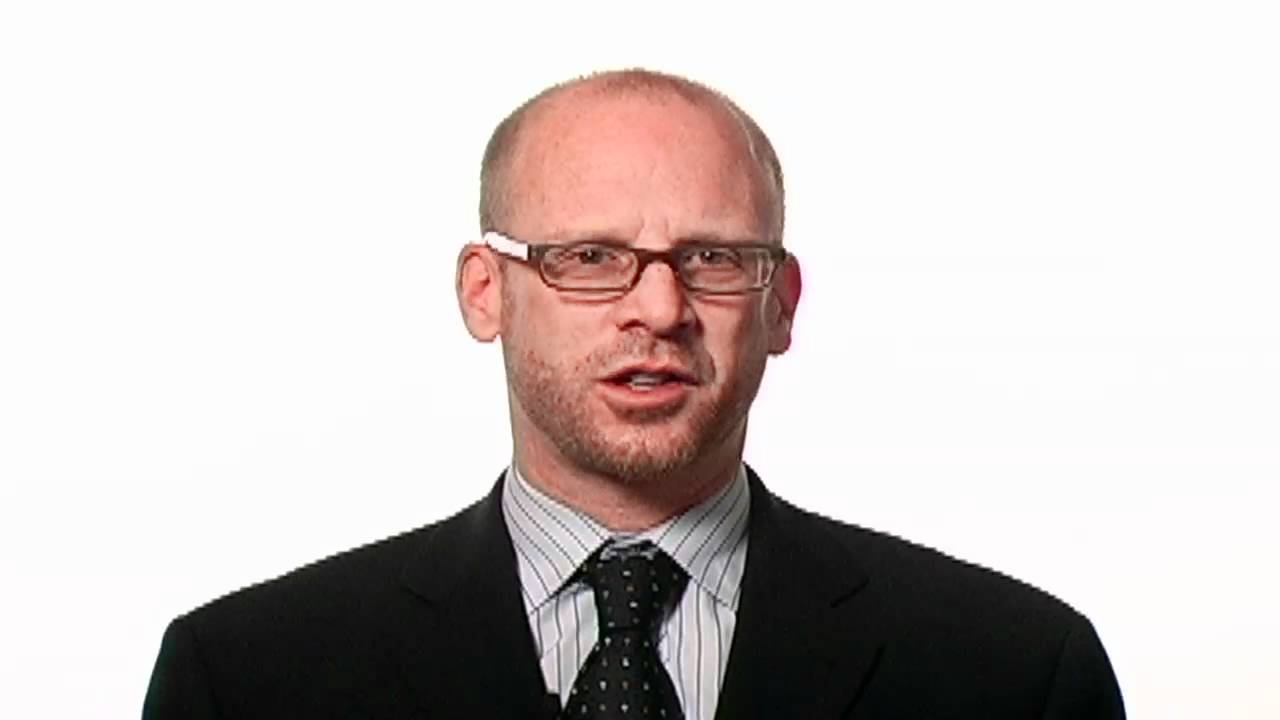
Who Decides What "Insane" Means? | Jonathan M. Metzl | Big Think
Posted
April 24, 2012
Views
1,608
Likes
15
Comments
1
Engagement
1.00%
April 24, 2012
1,608
15
1
1.00%
Every word spoken in this episode is indexed. Type any phrase to jump straight to the moment it was said.
Type any word or phrase that may have been spoken. Click a result to seek the player to that exact moment.
Try a name, a topic, or a quoted line
 6:39Now Playing
Who Decides What "Insane" Means?
New videos DAILY
Join Big Think Edge for exclusive videos
----------------------------------------------------------------------------------
Defining mental illnesses as precisely as bodily disorders will require more advanced neuroscience, but also a deeper understanding of insanity’s cultural context.
----------------------------------------------------------------------------------
Jonathan M. Metzl:
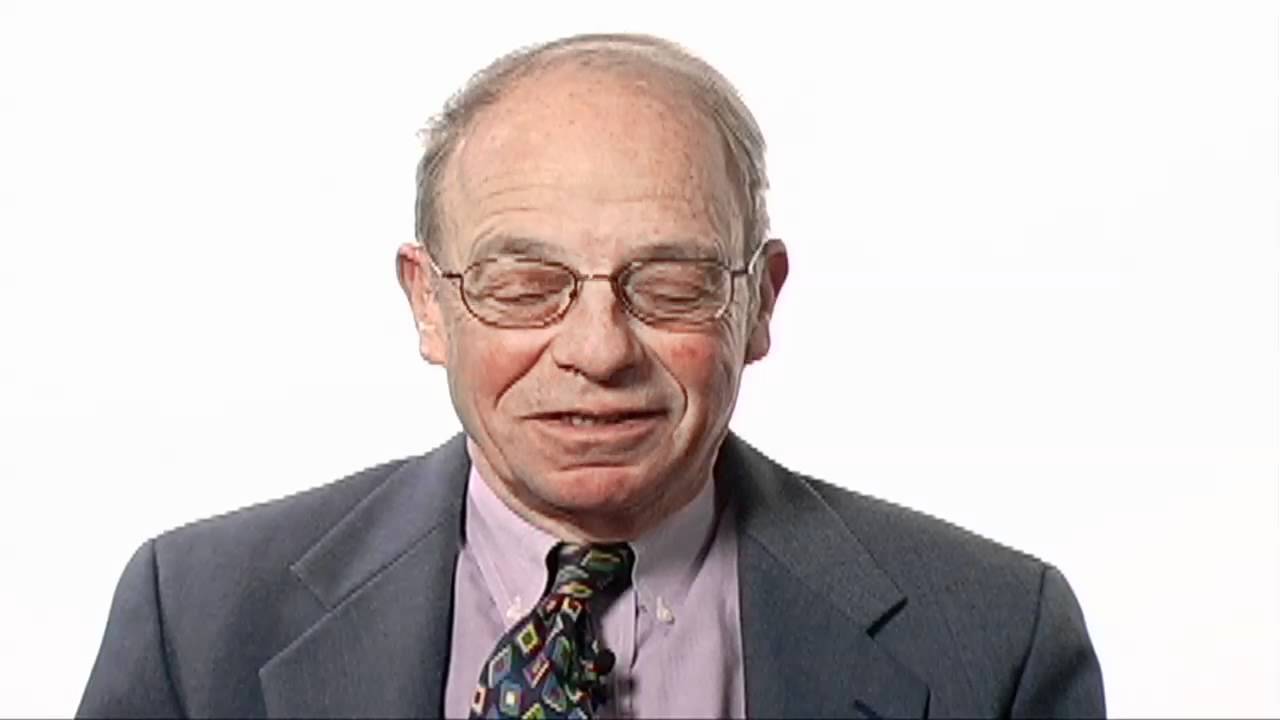
Jonathan M. Metzl, MD, PhD, is a psychiatrist who also has a Ph.D. in American Studies. He is Associate Professor of Psychiatry and Women's Studies and Director of Program in Culture, Health, and Medicine at the University of Michigan. In this capacity he works as a Senior Attending Physician in the adult psychiatric clinics and teaches courses in the areas of history of psychiatry, gender, and health at the undergraduate and graduate levels. He is the author of "Prozac on the Couch: Prescribing Gender in the Era of Wonder Drugs" (Duke University Press, 2003), and of "The Protest Psychosis: How Schizophrenia Became a Black Disease" (Beacon Press, 2010).
----------------------------------------------------------------------------------
TRANSCRIPT:
Question: What contemporary psychiatric diagnoses do you believe are based on faddish social thinking?
Jonathan Metzl: Well you know, again, I’m a practicing psychiatrist and I think that I really believe in the advances of psychiatry. Our diagnoses are more precise. They get more precise with every volume of the Diagnostic Manual. Our treatments slowly get better over time and I’m not averse to saying that there are biological basis to mental illness. I’m part of a department that does a lot of fantastic research in brain imaging, scans, other kinds of genetic research that really looks at mental illness seemingly below the level of culture, context, race, ethnicity, at the level of brain structures that are seemingly the same in all people, and at the same time I feel like there is a false divide, almost like you have to vote, is an illness biological or is it social or socially constructed, and I don’t like that divide very much because I think that all definitions of illness and maybe particularly all definitions of psychiatric illness are always both. It doesn’t have to be one or the other. Mental illness is a real thing. It has real material consequences for people who suffer from it and at the time even the most biological finding reflects social context in very important ways, and so I think psychiatry is better off looking both at biology and at social context and really trying to think of the relationship between these and I think doctors and patients are better off that way. We certainly know that depression is an illness. All you have to do is watch an antidepressant advertisement on television right now and think about why might it be that a person might see an ad like that. What are the forces that are leading them to go in and ask a doctor? In part it might be that that ad speaks to some symptoms they’re having that are chemical symptoms, but many of these ads play off of familiar cultural stereotypes about gender or parenting or social class, other kinds of things and so I think doctors need to be aware of both that. Depression as one example is an illness that has a chemical basis, but also is deeply embedded in cultural norms about gender, social class, race, so that would be one example. There is great work that has been done now on bipolar disorder by Emily Martin here at NYU and looking at the kind of cultural basis of bipolar disorder. Obsessive-compulsive disorder after the show Monk, for instance, is something that there is a lot of popular conversation about and so I think again it’s true for all illness, but it’s certainly true for psychiatric illness that these illnesses often reflect cultural norms in addition to biological realities, and really we have to be fluent in both.
Question: Will mental disorders ever be defined as precisely and universally as bodily disorders?
Jonathan Metzl: Right, well again, I think that we’re making a mistake if we don’t see that there is a cultural basis to many illnesses, not just psychiatric ones. Breast cancer would be one prevalent example right now, different kind of cultures surrounding it. If you don’t understand the cultural meaning of an illness like that you’re going to miss the boat even if you’re a great scientist. So I don’t think it’s the case that it’s just psychiatric disorders, but we know from history that when we get the ultimate, you know, cure for a particular illness or nail it down it stops being a psychiatric illness and then it’s taken up by internal medicine or, you know, we know, oh, it was just and iron imbalance or it was a vitamin deficiency or something like that, ......
Read the full transcript at
Sentinel Indexing in Progress
Metadata and chapters are available. Claim extraction for this episode is pending.
All video content is delivered via YouTube embedded players in accordance with the YouTube Terms of Service. Sentinel provides research tools that promote discovery and accountability across political media.