Big Think
@bigthink·8.8M subscribers·10.1K videos
Will New York Become One Giant Suburb? | Sharon Zukin | Big Think
Posted
April 24, 2012
Views
193
April 24, 2012
193
Every word spoken in this episode is indexed. Type any phrase to jump straight to the moment it was said.
Type any word or phrase that may have been spoken. Click a result to seek the player to that exact moment.
Try a name, a topic, or a quoted line
 7:41Now Playing
Will New York Become One Giant Suburb?
New videos DAILY
Join Big Think Edge for exclusive videos
----------------------------------------------------------------------------------
Despite occasional, but somewhat specious, counter-culture movements, New York is rapidly becoming home to an exclusively wealthy population and endless rows of bland chain stores, both of which are destroying the city’s “soul.” Can this realistically be stopped?
----------------------------------------------------------------------------------
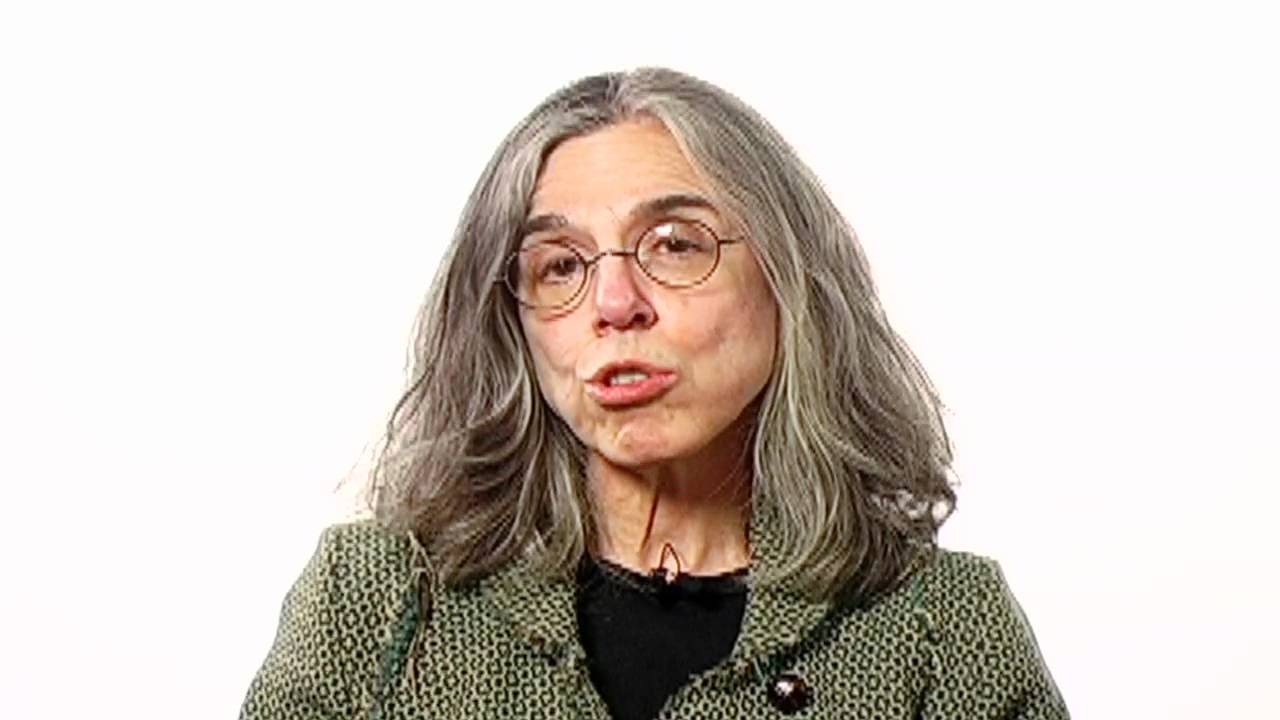
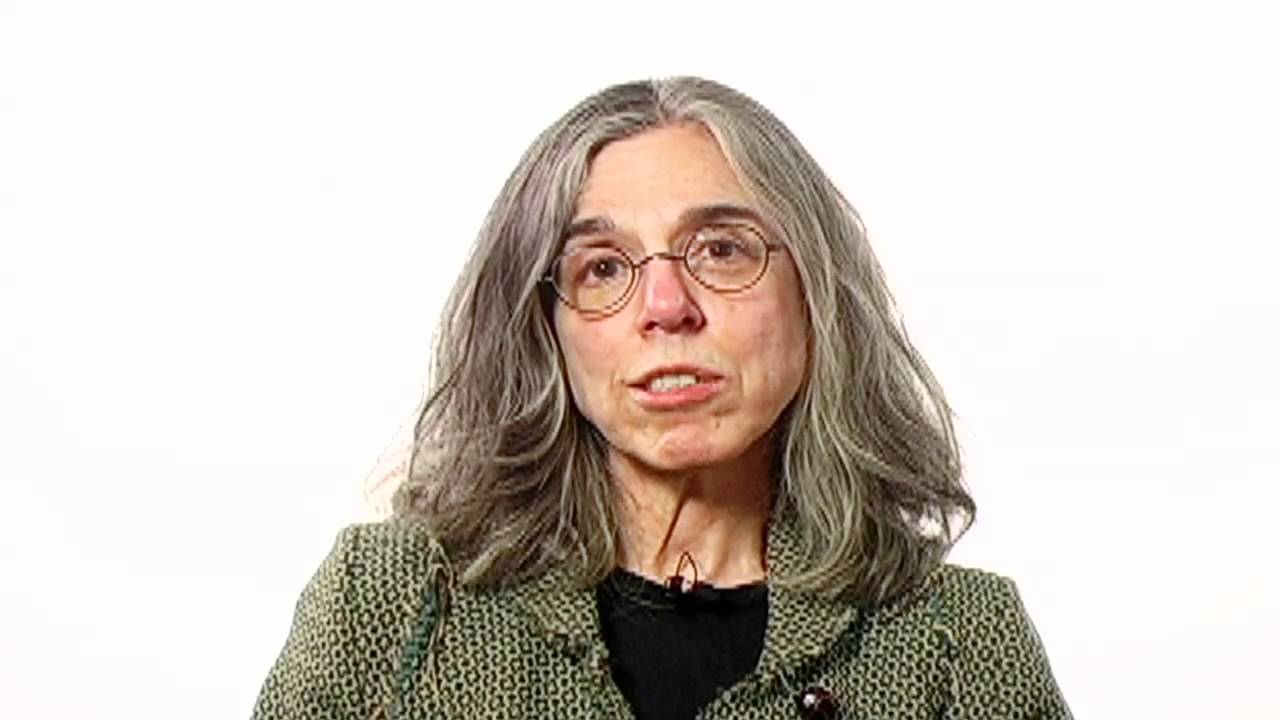
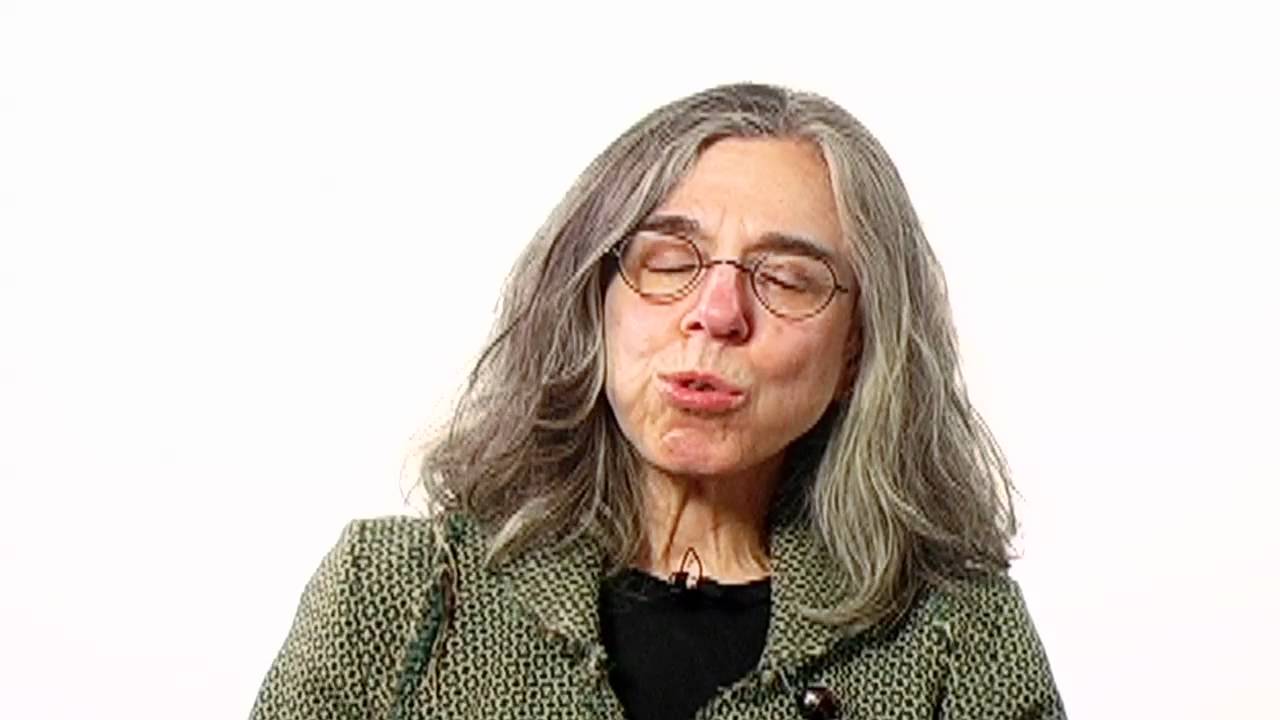
Sharon Zukin:
Sharon Zukin is Professor of Sociology at Brooklyn College and Professor of Sociology at the CUNY Graduate Center. She is the author of Loft Living , Landscapes of Power (winner of the C. Wright Mills Award), The Cultures of Cities , and Point of Purchase. Zukin received the C. Wright Mills Award from the Society for the Study of Social Problems for Landscapes of Power, and the Robert and Helen Lynd Award for Career Achievement in Urban Sociology from the Community and Urban Sociology Section of the American Sociological Association. She holds a PhD from Columbia University and lives in New York City.
----------------------------------------------------------------------------------
TRANSCRIPT:
Question: What defines the “soul” of a city?
Sharon Zukin: The soul of the city is it’s people, it’s small shops the diversity of the crowds. The hustle and bustle but not just change, rootedness, neighborhoods, streets that maintain their identity over a long period of time. Cities are always changing and it would be silly to say that a city loses its soul when it changes exactly because so many new people come, old people live, businesses die for technological, cultural, and financial reasons but the soul of a city is often felt to be in the long-time residents, the old businesses and particularly the small businesses, the small shops, the small streets. And, the people who are not the richest but they’ve been here a long time and they give the city character.
Question: What creates this craving for an “authentic” space?
Sharon Zukin: Every movement always spurs a resistance to that movement; a counter-movement, a counter-culture and in our time as in the 1960s, there was a big resistance against the standardization of overwhelmingly large organizations. In cities today, there’s been an invasion since the late 1990s of chain stores and these create visible faces of standardization. Some people have spoken of this in terms of the suburbanization of cities. And in some cities I have to say it’s a benefit to have a chain store rather than an overpriced store with terrible merchandise that does not give a good deal to consumers in the area but in general its times of homogenization that irritate people, that get under peoples skin and make them desire a more authentic kind of space to live a more authentic kind of life.
Question: How can we help prevent displacement?
Sharon Zukin: You know I can’t emphasize enough how important laws are, zoning laws, rent controls, commercial rent controls, maybe providing apprenticeships for young people who are not going to college or people who are graduates of art schools to set up small stores. A continuation of traditional crafts, I think industry is tremendously important in every city, even in New York and there have to be spaces for all of these activities to create an procreate. It’s silly to say that a city will survive on the basis of the creative class; a city only survives on the basis of diversity, different classes of people all working and its necessary for local government to make sure there is space for everybody in the city.
I mean there really have to be, you know go to your City Council Representative, write to that person and tell them they voted wrong or they voted right on something. Utter the forbidden words like new laws, new zoning, rent control, maybe all buildings should have not just one percent for art but one percent of the space devoted to mom and pop stores. I understand that these would not necessarily be old mom-and-old-pop stores but they’d be you know new independently owned stores. There really has to be an educational effort to bring tastes together with social need. Like look at the Red Hook Food Vendors in the ball field, they were unknown outside the Latino community, I should say the Latino soccer playing and soccer watching community for almost thirty years when they sold papooses and tacos and delotes and you know whatever they were selling and making at the ball fields.
Read the full transcript at
Sentinel Indexing in Progress
Metadata and chapters are available. Claim extraction for this episode is pending.
All video content is delivered via YouTube embedded players in accordance with the YouTube Terms of Service. Sentinel provides research tools that promote discovery and accountability across political media.