Big Think
@bigthink·8.8M subscribers·10.1K videos
Immigration: Do Bad Fences Make Bad Neighbors? | Jorge Castañeda | Big Think
Posted
April 24, 2012
Views
153
Likes
2
Comments
1
Engagement
1.96%
April 24, 2012
153
2
1
1.96%
Every word spoken in this episode is indexed. Type any phrase to jump straight to the moment it was said.
Type any word or phrase that may have been spoken. Click a result to seek the player to that exact moment.
Try a name, a topic, or a quoted line
You’re on April 24, 2012. Earlier episodes are to the left, later ones to the right — the row keeps loading as you go. Click any card to open it.
 Apr 24, 20122:50Now Playing
Immigration: Do Bad Fences Make Bad Neighbors?
New videos DAILY
Join Big Think Edge for exclusive videos
----------------------------------------------------------------------------------
The U.S.-Mexico border fence carries a “terrible” symbolic message, but virtually no practical impact.
----------------------------------------------------------------------------------
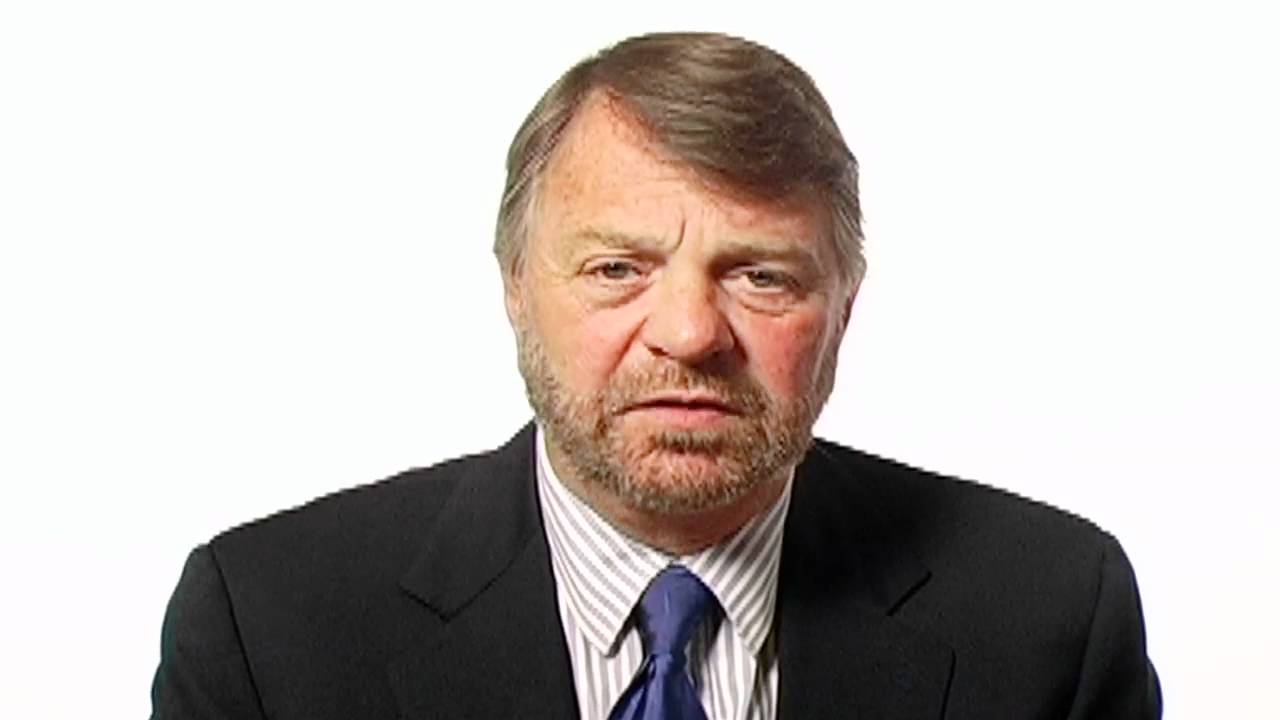
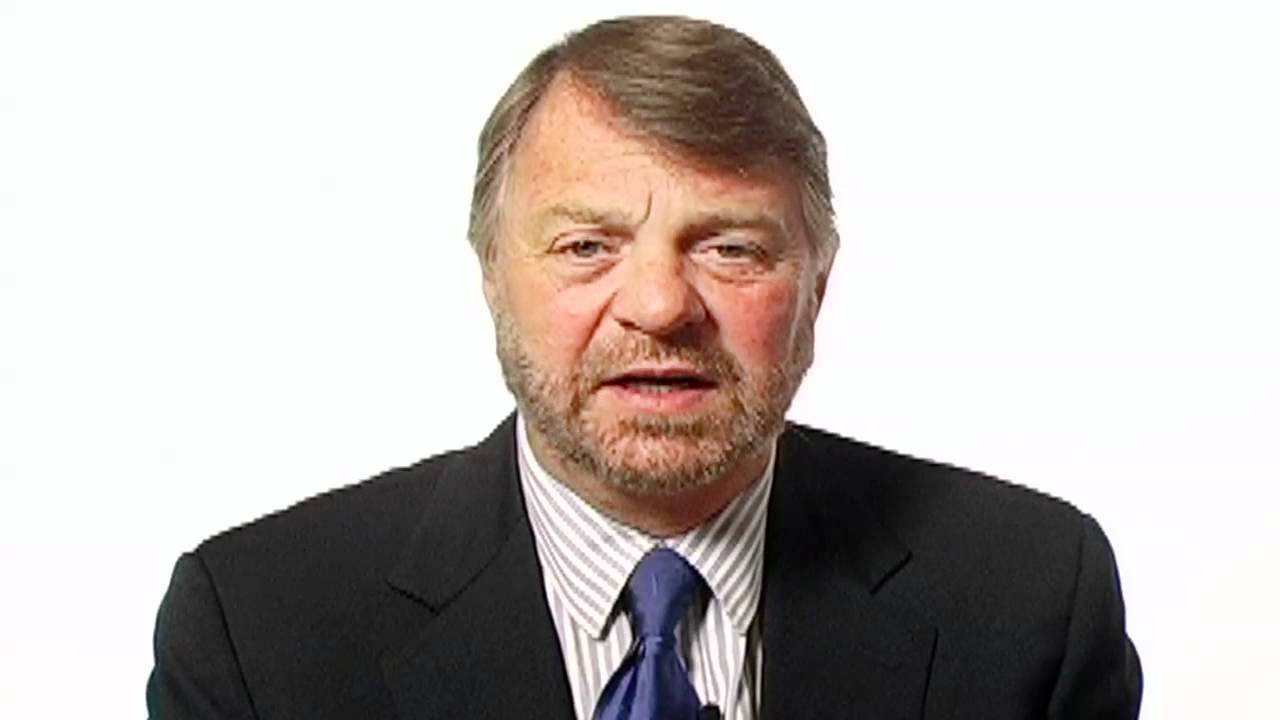
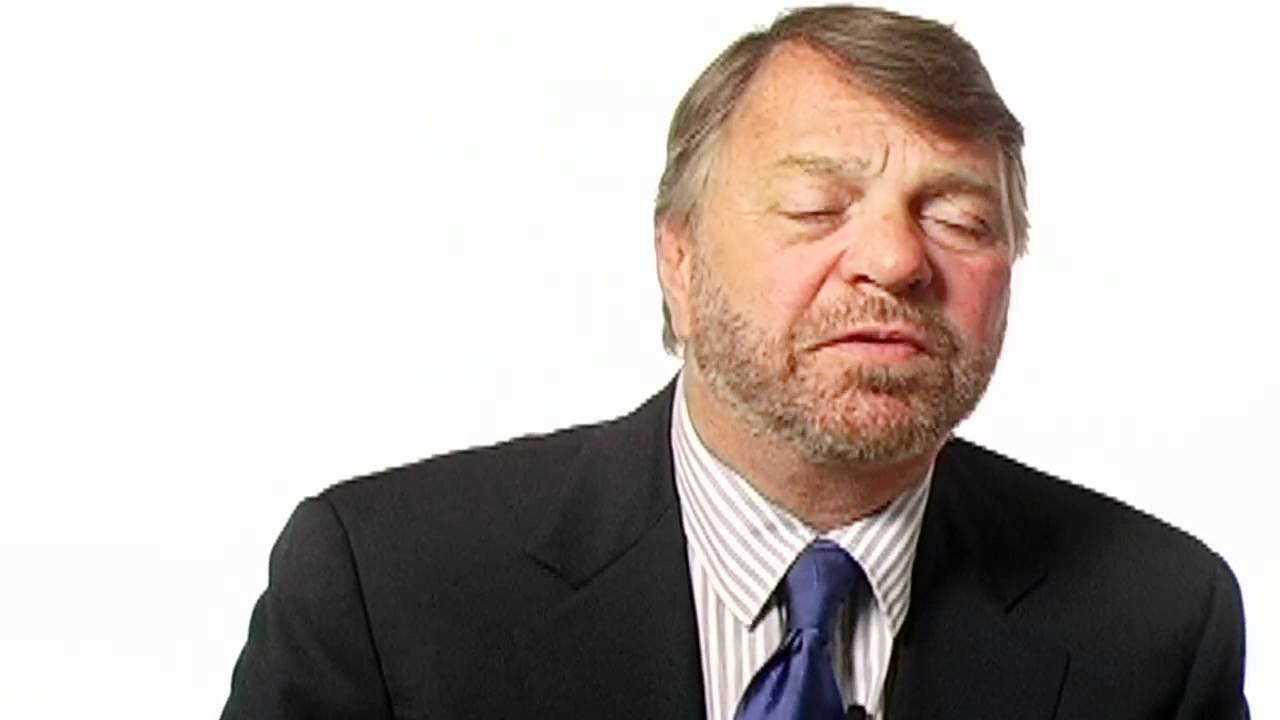
Jorge Castañeda:
Jorge Castañeda is Global Distinguished Professor of Politics and Latin American and Caribbean Studies at New York University. A renowned public intellectual, political scientist, and prolific writer, with an interest in Latin American politics, comparative politics and U.S.-Latin American relations, he is the former Foreign Minister of Mexico (2000-2003), and in that position he focused on diverse issues in U.S.-Mexican relations, including migration, trade, security, and narcotics control; joint diplomatic initiatives on the part of Latin American nations; and the promotion of Mexican economic and trade relations globally.
Born in Mexico City in 1953, Dr. Castañeda received undergraduate degrees from both Princeton University and Universite de Paris-I (Pantheon-Sorbonne), an M.A. from Ecole Pratique de Hautes Etudes, Paris I, and his Ph.D. in the History of Economics from the University of Paris. He was a Senior Associate at the Carnegie Endowment for International Peace (1985-87) and a John D. and Catherine T. MacArthur Foundation Research and Writing Grant Recipient (1989-1991). Among his many books are "Utopia Unarmed: The Latin American Left after the Cold War" (1993), "The Mexican Shock" (1995), "Compañero: The Life and Death of Che Guevara" (1997), and "Perpetuating Power: How Mexican Presidents Were Chosen" (2000). Dr. Castañeda is a regular columnist for the Mexican daily Reforma, The Los Angeles Times, and Newsweek International.
----------------------------------------------------------------------------------
TRANSCRIPT:
Question: How would you characterize current U.S.-Mexico relations?
Jorge Castañeda: Well, the divergences are great than ever in terms of the disparity in economic growth and income and standards of living. If, maybe, 30 years ago the ratio was six or seven to one, now it’s maybe eight or nine to one. So, despite huge progress that has been achieved in Mexico over the last 15 years, the fact is that there is a great gap between the United States and Mexico or between Canada, the United States and Mexico, than there has been before. And, unfortunately, that has not changed; it’s getting worse.
On immigration, nothing really has happened since 2007 and the issue, up to a point, has been laid to rest by the US recession because some Americans have the impression that fewer Mexicans are coming to the US, which is probably true, some have the impression that more are returning to Mexico. That’s probably not true. But, the fact is that once the US economy picks up again, and it will at some point, demand for low wage, low skill Mexican labor will return to where it was a few years ago and we will be back to 300-, 350,000, 400,000 Mexicans entering the United States without papers every year. And so, the whole immigration issue will come back to haunt both countries because they really haven’t don’t anything to address it.
Question: What does the U.S.-Mexico border fence say about relations between the two countries?
Jorge Castañeda: Well, I think there’s two aspects to it. There's the emblematic or symbolic one, which is, it’s a terrible message to send to both societies that the United States wants to build a wall or is building a wall to try and keep people out or, for that matter, to keep things in, like guns or money or chemicals. It’s a lousy idea, it sends the wrong message. This is not the type of symbol that you want erected on the border between two countries that seek to be closer and closer friends and allies and partners over the years.
On the other hand, it’s also true that the fence is not exactly being constructed in a huge rush. It’s taking forever. Very few miles have actually been built. Most of the miles where it’s been built are uninhabited. I don’t think that it is that much of a big deal. I think that too much was made of it. It’s, as I said, for symbolic reasons, but in terms of actually deterring Mexicans from entering the United States, I don’t think it will have any effect whatsoever.
Recorded on February 1, 2010
Interviewed by Austin Allen
Sentinel Indexing in Progress
Metadata and chapters are available. Claim extraction for this episode is pending.
All video content is delivered via YouTube embedded players in accordance with the YouTube Terms of Service. Sentinel provides research tools that promote discovery and accountability across political media.