Big Think
@bigthink·8.8M subscribers·10.1K videos
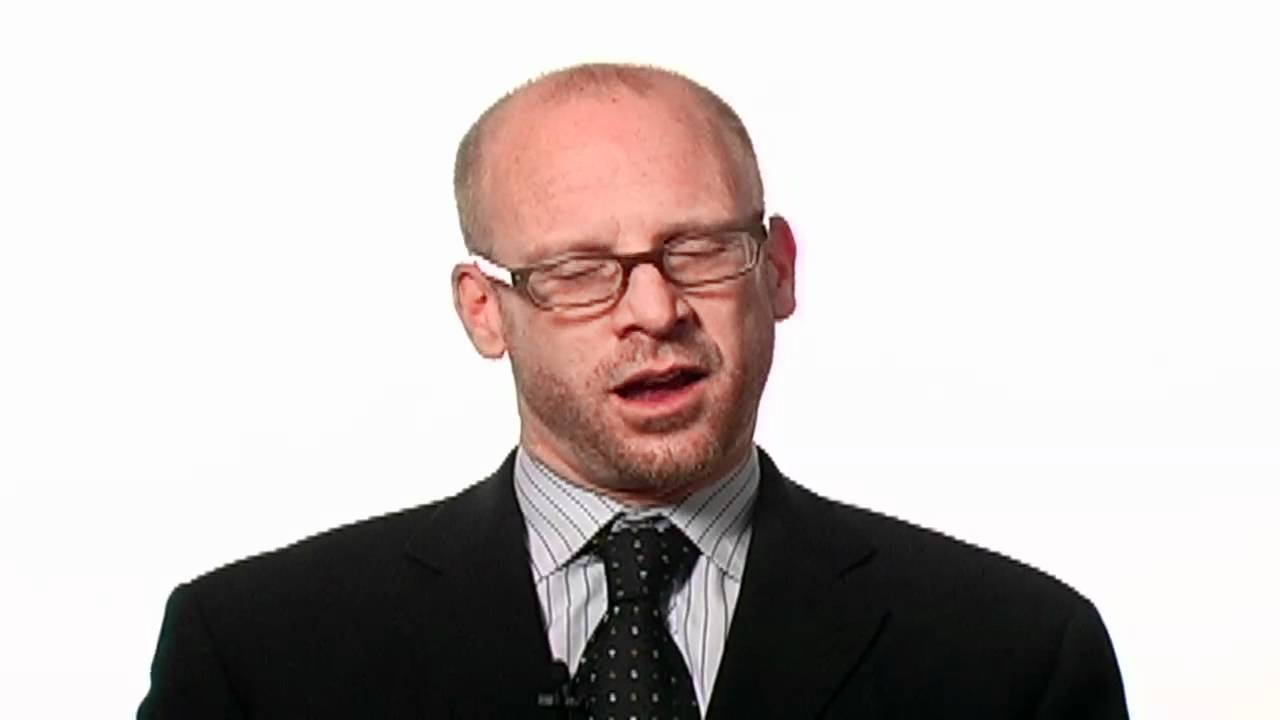
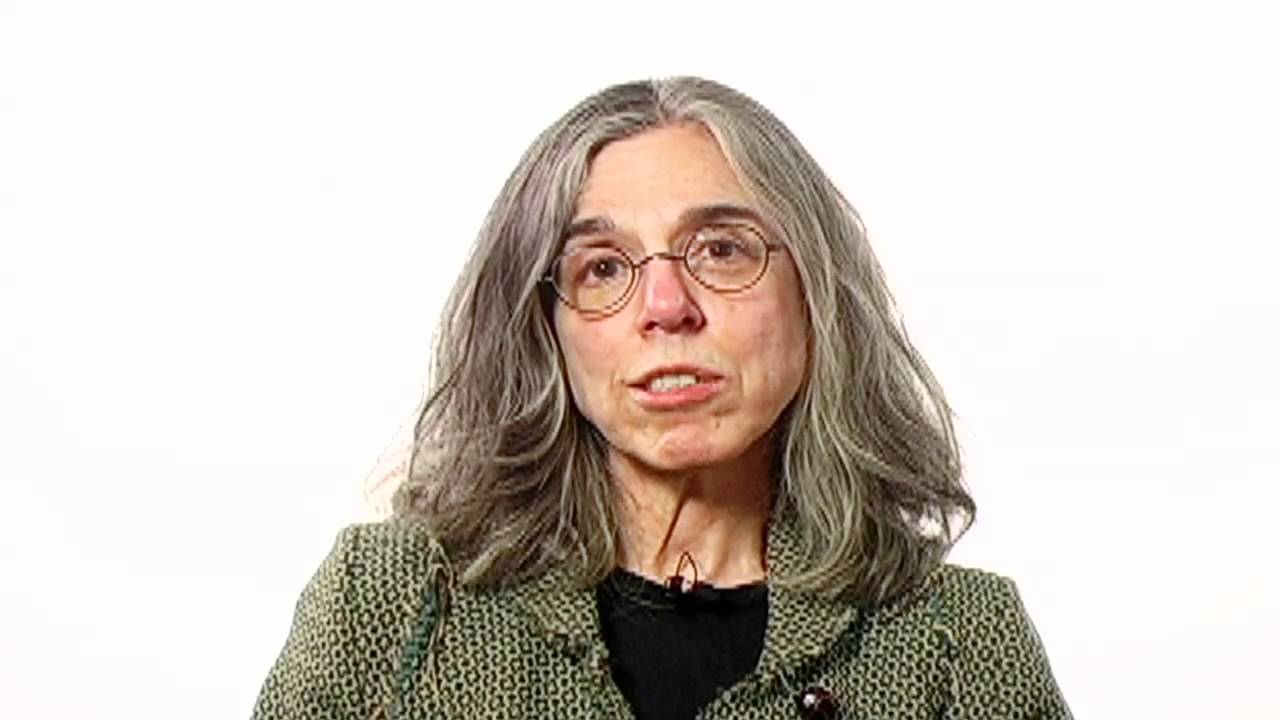
When Bobos Became Downright Oppressive | Sharon Zukin | Big Think
Posted
April 24, 2012
Views
416
Likes
6
Engagement
1.44%
April 24, 2012
416
6
1.44%
Every word spoken in this episode is indexed. Type any phrase to jump straight to the moment it was said.
Type any word or phrase that may have been spoken. Click a result to seek the player to that exact moment.
Try a name, a topic, or a quoted line
 6:32Now Playing
When Bobos Became Downright Oppressive
New videos DAILY
Join Big Think Edge for exclusive videos
----------------------------------------------------------------------------------
As the sociologist explains, taste is manufactured socially, through whole groups. And when a certain, latte-loving class of people begins to overtake a community, it stifles neighboring populations both culturally and economically.
----------------------------------------------------------------------------------
Sharon Zukin:
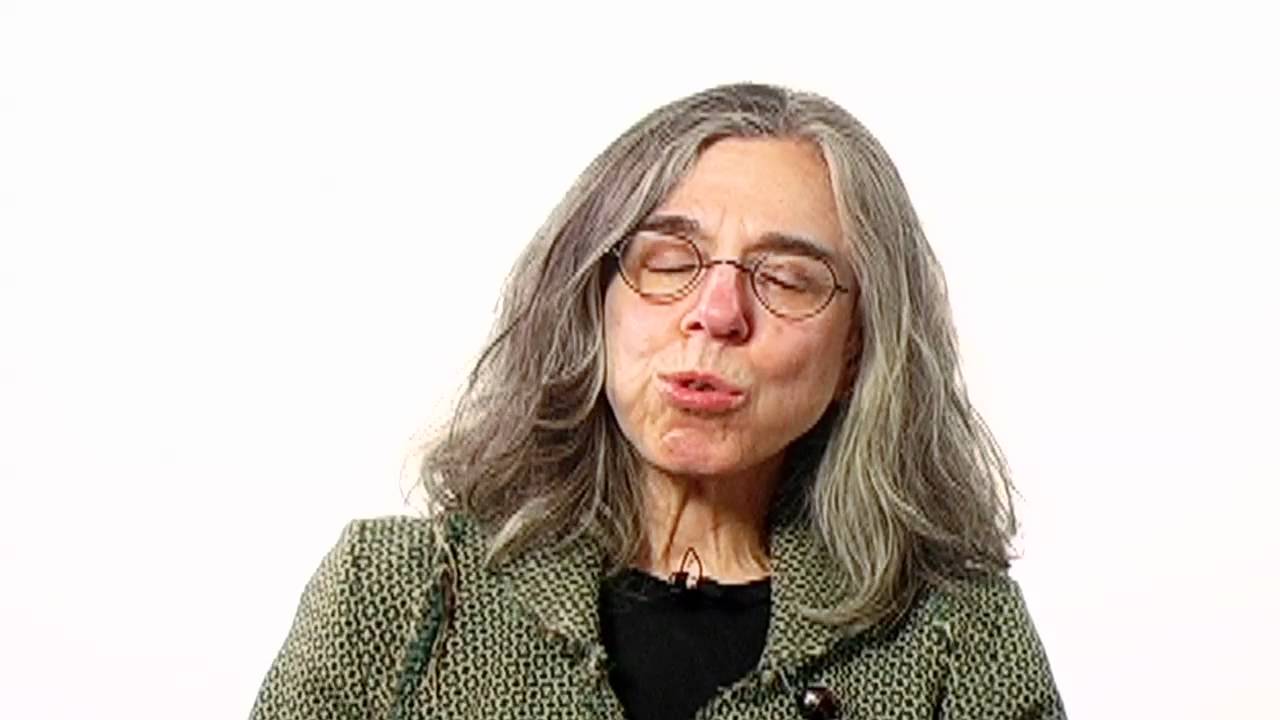
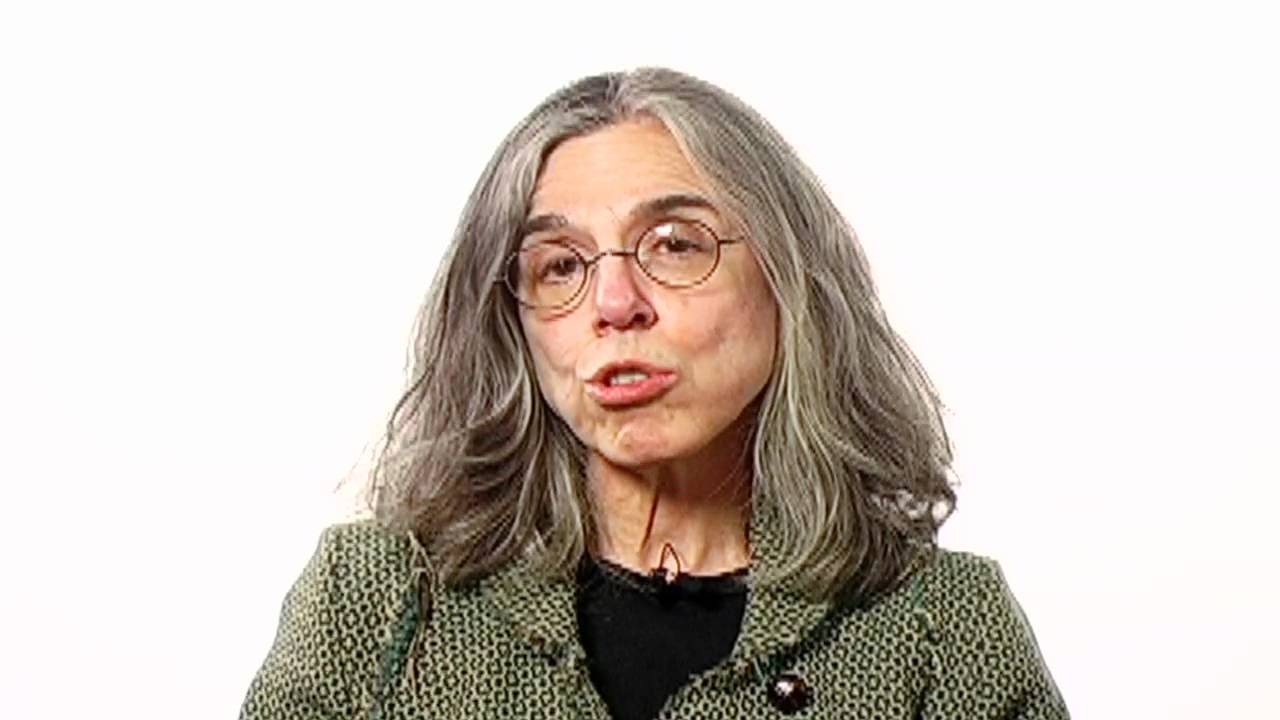
Sharon Zukin is Professor of Sociology at Brooklyn College and Professor of Sociology at the CUNY Graduate Center. She is the author of Loft Living , Landscapes of Power (winner of the C. Wright Mills Award), The Cultures of Cities , and Point of Purchase. Zukin received the C. Wright Mills Award from the Society for the Study of Social Problems for Landscapes of Power, and the Robert and Helen Lynd Award for Career Achievement in Urban Sociology from the Community and Urban Sociology Section of the American Sociological Association. She holds a PhD from Columbia University and lives in New York City.
----------------------------------------------------------------------------------
TRANSCRIPT:
Question: How does taste become a form of power?
Sharon Zukin: In sociology we know that taste is socially made, it’s not just a matter of what you as an individual likes to eat or like to read or like to listen to. Taste really is an expression of a whole group of people who share common education and a common cultural background. That’s true not just in an ethnic sense but in the sense of position in society, occupation, profession, and when a lot of people move into a neighborhood and they form a market for lattes or they form a market for newsstands that sell the New York Times they tend to create an atmosphere, a very visible and tangible atmosphere on the street that makes other people who do not share those tastes feel uncomfortable. If they, if there are enough of the new people with the new tastes then the long-time residents feels very uncomfortable and eventually if the new residents can pay higher rents and the businesses that cater to them can pay higher rents, though maybe not the highest, they will tend to drive out the long-time residents and the old businesses.
Usually businesses cannot cater to both the old and the new because the tastes and the atmosphere are just so different. You know imagine a working class bar where mainly guys go in the evening and stand around and drink beer and dis women; that’s not the kind of place where young women like to hang out either with other women or with men. So there’s a real sense of discomfort between the old and the new residents in the businesses that cater to their different tastes. And even on the street let’s say long-time Latino residents especially men will sit on the street and play Dominos but new residents might consider that picturesque at first but then they might begin to consider it undesirable not to mention any kind of illicit or illegal activity that might go on on the street. Generally gentrifies don’t use the street as much as long-time less affluent residents and so there’s a real difference between those who want to use the public space of the street in a certain way as well as the establishments of the small businesses and those who want to use these spaces differently, more tastefully.
Question: Were does Jane Jacobs’ classic argument fall short?
Sharon Zukin: In the 1960s, Jane Jacobs’s criticism of the massive urban renewal tactics of the federal and local governments was tremendously important. What she said empowered people not just to take action against the brutal results of urban renewal plans but also to look around themselves and to see the good things in cities and the very desirable amenities of their neighborhoods. By the 1980s and 1990s, Jacobs’ writing had become sacred a couple of generations of urban planners and by the 2000s, many urban planner and by this I mean officials not staffs, urban planning officials walk around and flatter themselves that they are partisans of Jane Jacobs’ ideas by which they mean they speak for the authentic character of cities. They speak for neighborhood identities but what they neglect and what Jacobs herself did not emphasize was the people who live in cities.
Read the full transcript at
Sentinel Indexing in Progress
Metadata and chapters are available. Claim extraction for this episode is pending.
All video content is delivered via YouTube embedded players in accordance with the YouTube Terms of Service. Sentinel provides research tools that promote discovery and accountability across political media.