Daniel Davis Deep Dive
@danieldavisdeepdive·442K subscribers·4.9K videos
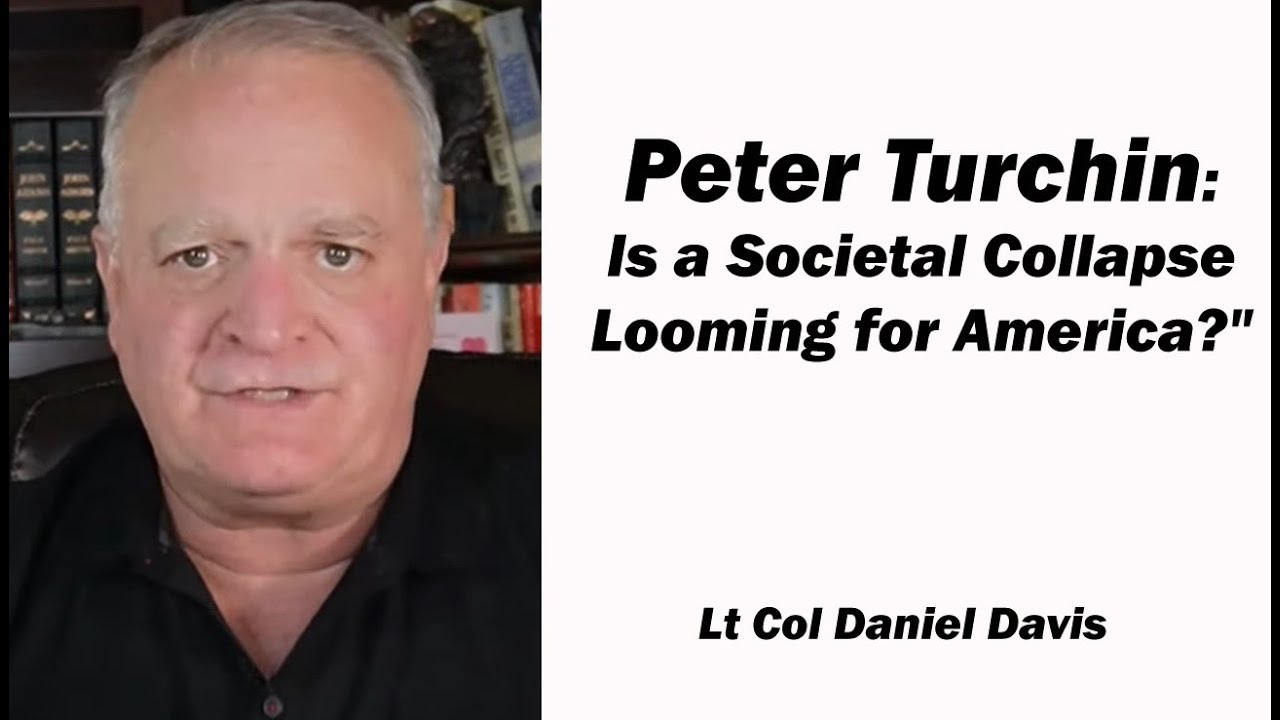
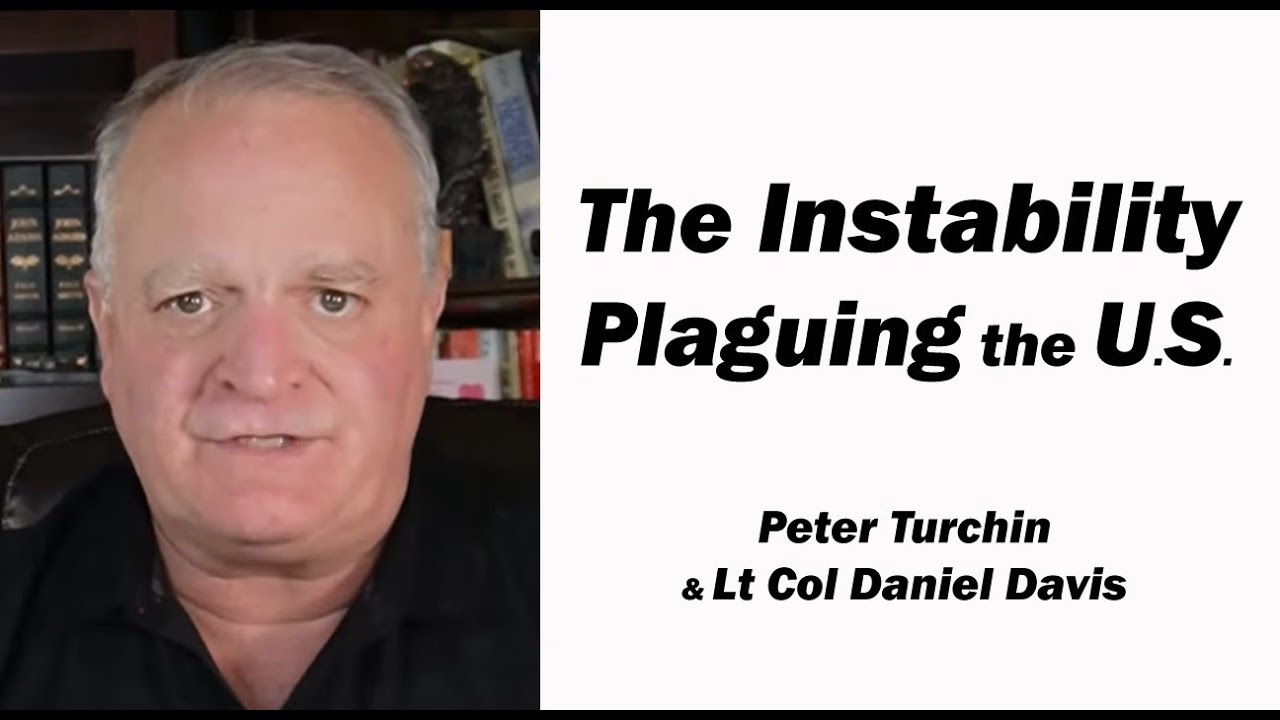
The Instability Plaguing the U.S. w/Peter Turchin & Lt Col Daniel Davis
Posted
September 2, 2025
Views
5,305
Likes
289
Comments
63
Engagement
September 2, 2025
5,305
289
63
6.64%
Every word spoken in this episode is indexed. Type any phrase to jump straight to the moment it was said.
Type any word or phrase that may have been spoken. Click a result to seek the player to that exact moment.
Try a name, a topic, or a quoted line
 20:43Now Playing
Peter Turchin addresses the state of the U.S. halfway through the 2020s, given worsening inequality, distrust in government, militarization of cities, and elite dominance. They respond that the drivers of instability—economic inequality, elite overproduction, and rising state debt—remain unchecked. Wealth has concentrated dramatically, producing many more multimillionaires and billionaires who influence politics.
They argue the U.S. is no longer just in a “revolutionary situation” but in an ongoing revolution, though so far relatively nonviolent compared to historical revolutions. Violence has risen, but elite conflict is mostly playing out as “lawfare” (legal battles, prosecutions, career destruction) rather than mass killings. This dynamic reflects a typical revolutionary struggle where counter-elites attempt to displace established elites.
Looking ahead, the remainder of the 2020s is expected to bring continuing turbulence. There’s a growing risk of escalation into a “hot” civil war, especially with the National Guard being deployed into cities, which increases the danger of violent clashes.
Like Steven Marche, the speaker sees that all the structural conditions for civil war are present; what’s missing is a triggering event (such as a political assassination, economic collapse, or government failure to pay security forces). They emphasize that while history shows such sparks are unpredictable, the U.S. is in a precarious position where one could ignite widespread conflict.
Finally, they acknowledge the counterargument that the U.S. is more resilient than past societies. Modern states have stronger bureaucracies and institutions, making full collapse less likely than in earlier eras. Their hope is that this institutional strength may prevent the worst outcomes, even if turbulence continues.
Sentinel Indexing in Progress
Metadata and chapters are available. Claim extraction for this episode is pending.
All video content is delivered via YouTube embedded players in accordance with the YouTube Terms of Service. Sentinel provides research tools that promote discovery and accountability across political media.