Daniel Davis Deep Dive
@danieldavisdeepdive·442K subscribers·4.9K videos
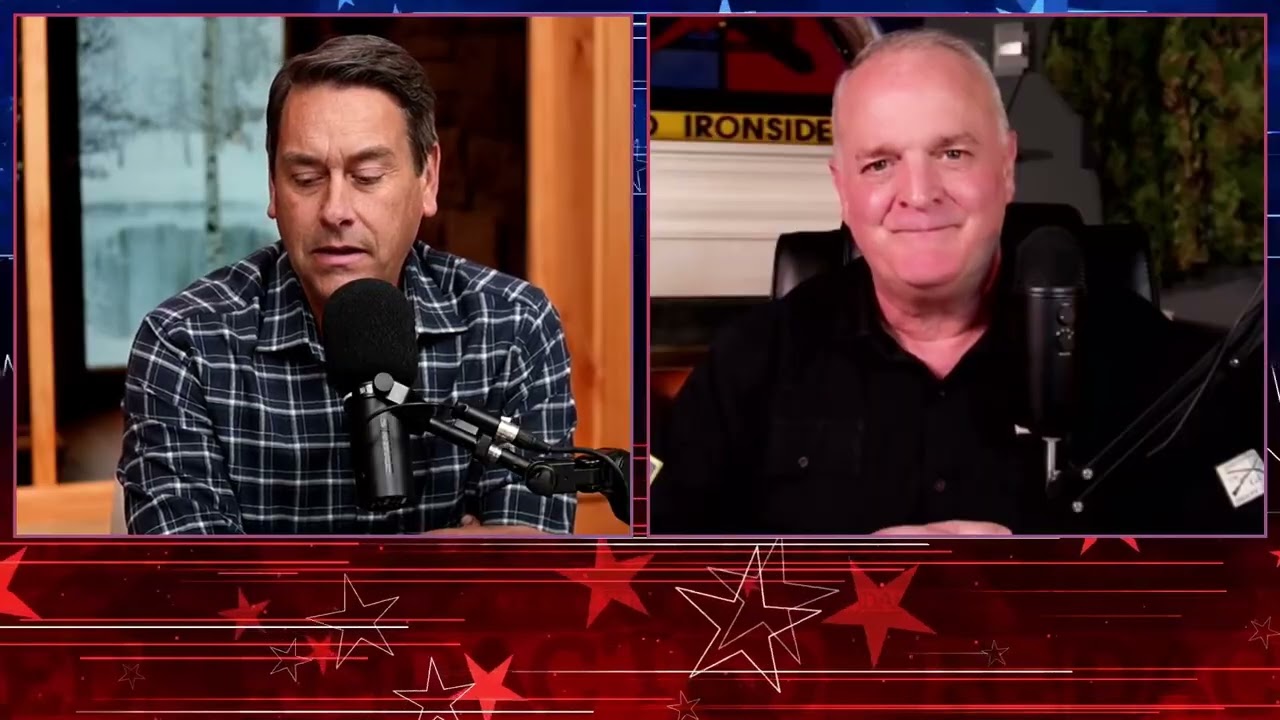
Ukraine: Take it or Leave it/Larry Johnson & Lt Col Daniel Davis
Posted
December 3, 2025
Views
32,946
Likes
1,629
Comments
192
Engagement
December 3, 2025
32,946
1,629
192
5.53%
Every word spoken in this episode is indexed. Type any phrase to jump straight to the moment it was said.
Type any word or phrase that may have been spoken. Click a result to seek the player to that exact moment.
Try a name, a topic, or a quoted line
 17:01Now Playing
** NEW MERCH ** Jackets & Sweatshirts, Thermo Mugs!!
Daniel Davis Deep Dive Merch: Etsy store
Russia’s negotiating stance has hardened significantly since early 2022.
March 2022: Russia was willing to leave Ukraine intact if it received guarantees—protection for Russian speakers in Donbas and a firm commitment that NATO would stay out of Ukraine. Ukraine and the West rejected that offer.
June 2024: Russia’s terms expanded. Moscow now demands permanent control over five territories, removal of NATO influence, and new Ukrainian elections to produce a “legally constituted” government before any real talks can occur. Putin has repeatedly warned that if this offer is rejected, the next one will be even tougher.
The discussion in Moscow with Witkoff and Kushner wasn’t real negotiation—it was preparation explaining Russia’s non-negotiable red lines and setting the stage for what actual negotiations may look like once Ukraine has new leadership. The speaker describes this phase as “not the beginning of the end, but the end of the beginning”: the orchestration before real talks begin.
Putin has publicly said that true negotiations will only involve Lavrov, Medinsky, and Ushakov. Their absence from the recent meeting signals that this was only pre-negotiation groundwork.
Russia also refuses to negotiate with Zelensky or Zaluzhny, claiming their mandates are illegitimate. They insist only a newly elected Ukrainian government can sign any agreement.
Europe is portrayed as irrelevant to the process—shut out by Russia and desperately trying to insert itself. Statements by European leaders calling for more military spending and more battlefield pressure highlight their disconnect from the ongoing U.S.–Russia dialogue.
The U.S. may have recently cut off military aid to Ukraine, and the U.S. Secretary of State skipped a key NATO meeting, which the speaker interprets as signs that Washington’s patience is running out—especially as corruption scandals spread through the Ukrainian leadership.
Corruption allegations are described as far broader than publicly known, potentially involving U.S. lawmakers and European officials. Zelensky is suggested as a likely “fall guy,” but removing him is risky because he might reveal what he knows.
Ukrainian officials continue insisting on their own “red lines”:
No recognition of Russian control of occupied land
No limits on Ukrainian military capabilities
No restrictions on choosing alliances (including NATO)
“Nothing about Ukraine without Ukraine”
The speaker argues that these demands are unrealistic given the battlefield situation and Russia’s stronger negotiating position.
Overall, the segment portrays:
Russia as firm, legalistic, and holding the advantage
Ukraine as politically constrained and internally collapsing
Europe as sidelined
The U.S. as the only actor Russia takes seriously
And that the current stage is still preparation, not true peace negotiations.
Sentinel Indexing in Progress
Metadata and chapters are available. Claim extraction for this episode is pending.
All video content is delivered via YouTube embedded players in accordance with the YouTube Terms of Service. Sentinel provides research tools that promote discovery and accountability across political media.