Dr Arthur Brooks
@drarthurbrooks·326K subscribers·364 videos
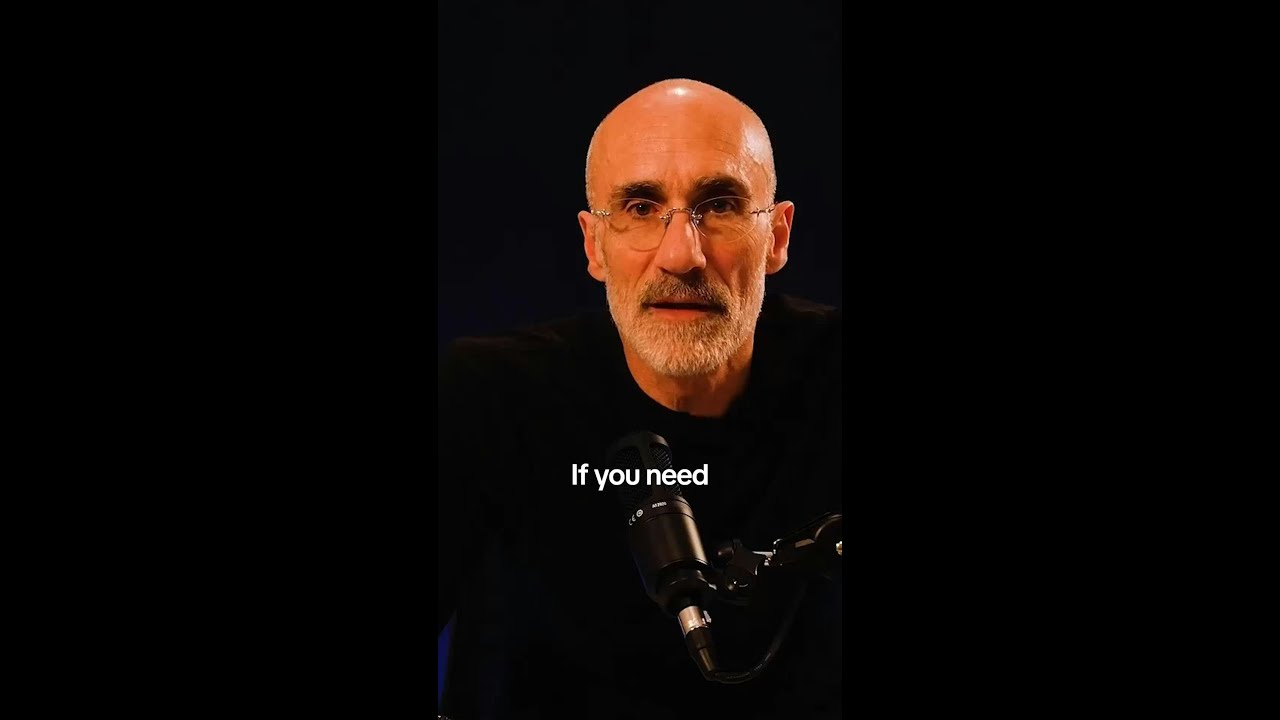
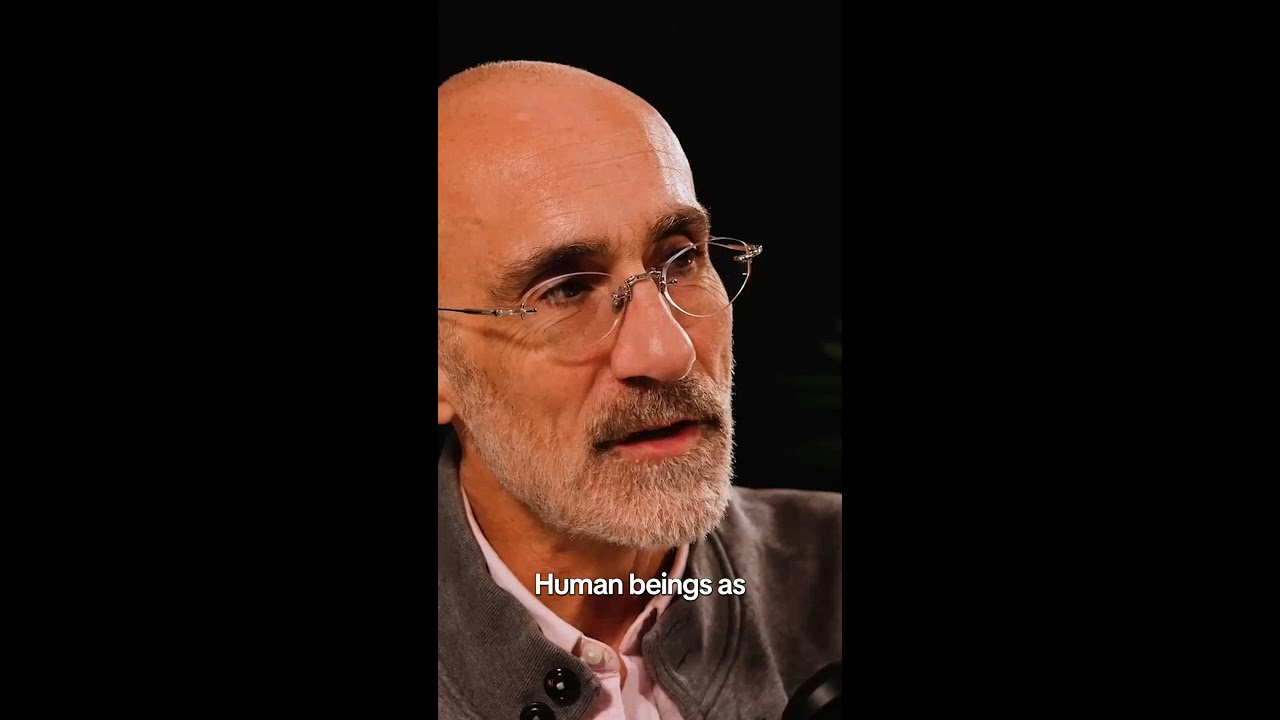
4 Ways to Be Less Lonely
Posted
February 2, 2026
Views
35,288
Likes
1,273
Comments
117
Engagement
3.94%
February 2, 2026
35,288
1,273
117
3.94%
Every word spoken in this episode is indexed. Type any phrase to jump straight to the moment it was said.
Type any word or phrase that may have been spoken. Click a result to seek the player to that exact moment.
Try a name, a topic, or a quoted line
 37:47Now Playing
If you’ve been feeling empty or lonely and are looking for immediate solutions, I hope today’s episode helpsand if you want to go deeper, you can order my new book, The Meaning of Your Life () out March 31.
Today’s topic: the loneliness epidemic. We know more people than ever before, but do we actually know them? In a world of constant connection, many people still feel unseen, unknown, and disconnected from those around them.
In this episode of Office Hours, I explore why loneliness has become so widespread and how it shows up in our relationships. I talk about the difference between being known and being understood, why feeling understood matters so much for happiness, and how modern habits and technologies can make it easier to stay in touch while avoiding real connection.
Change means pushing back against our instincts and doing things that feel like the opposite of what we want. That can sound daunting, but it doesn’t have to be overwhelming. In this episode, I share four simple habits that, with practice, become easier and help lay the groundwork for more meaningful relationships.
If you’ve been feeling lonely, this episode explores what happens when we stop waiting for that feeling to fix itself.
*Brought to you by:*
• David ProteinThe most effective portable protein on the planet
*Where to find Arthur Brooks:*
• Newsletter
• Email: officehours@arthurbrooks.com
*Timestamps:*
(00:00) Introduction
(04:31) What Edgar Allan Poe’s life reveals about loneliness
(07:39) The difference between being known and being understood
(09:43) Why feeling known is essential for happiness
(12:38) What fMRI studies reveal about being understood
(15:33) Give what you want to get in relationships
(17:01) Why being known by your spouse matters for happiness
(18:30) Why loneliness is rising among young people and the role of technology
(19:27) How loneliness becomes self-reinforcing
(21:08) Strategy #1: The opposite signal strategy
(24:15) Strategy #2: Proactively knowing others
(27:28) Strategy #3: Asking more questions
(30:33) Strategy #4: Putting your phone away
(32:15) Why loneliness requires proactive effort
(33:16) Q&A: Which times of day matter most for limiting screens?
(34:47) Q&A: How can you let go of shame around anxiety?
*Referenced:*
• The Meaning of Your LifeFinding Purpose in an Age of Emptiness
• The Happiness Scale
• TogetherThe Healing Power of Human Connection in a Sometimes Lonely World
• “Alone” by Edgar Allan Poe
• New Cigna Study Reveals Loneliness at Epidemic Levels in America
• The Good LifeLessons From the World’s Longest Scientific Study of Happiness
• On Feeling Understood and Feeling WellThe Role of Interdependence
• Jeremiah 15
• The neural bases of feeling understood and not understood
• Eye of the beholderthe individual and dyadic contributions of empathic accuracy and perceived empathic effort to relationship satisfaction
• Prospective associations from familyoforigin interactions to adult marital interactions and relationship adjustment
• Perceived social isolation and cognition)001478?_
• How to Know a PersonThe Art of Seeing Others Deeply and Being Deeply Seen
• ...References continued at
Production and marketing by
Sentinel Indexing in Progress
Metadata and chapters are available. Claim extraction for this episode is pending.
All video content is delivered via YouTube embedded players in accordance with the YouTube Terms of Service. Sentinel provides research tools that promote discovery and accountability across political media.