Elan Show
@elanshowofficial·28.6K subscribers·316 videos
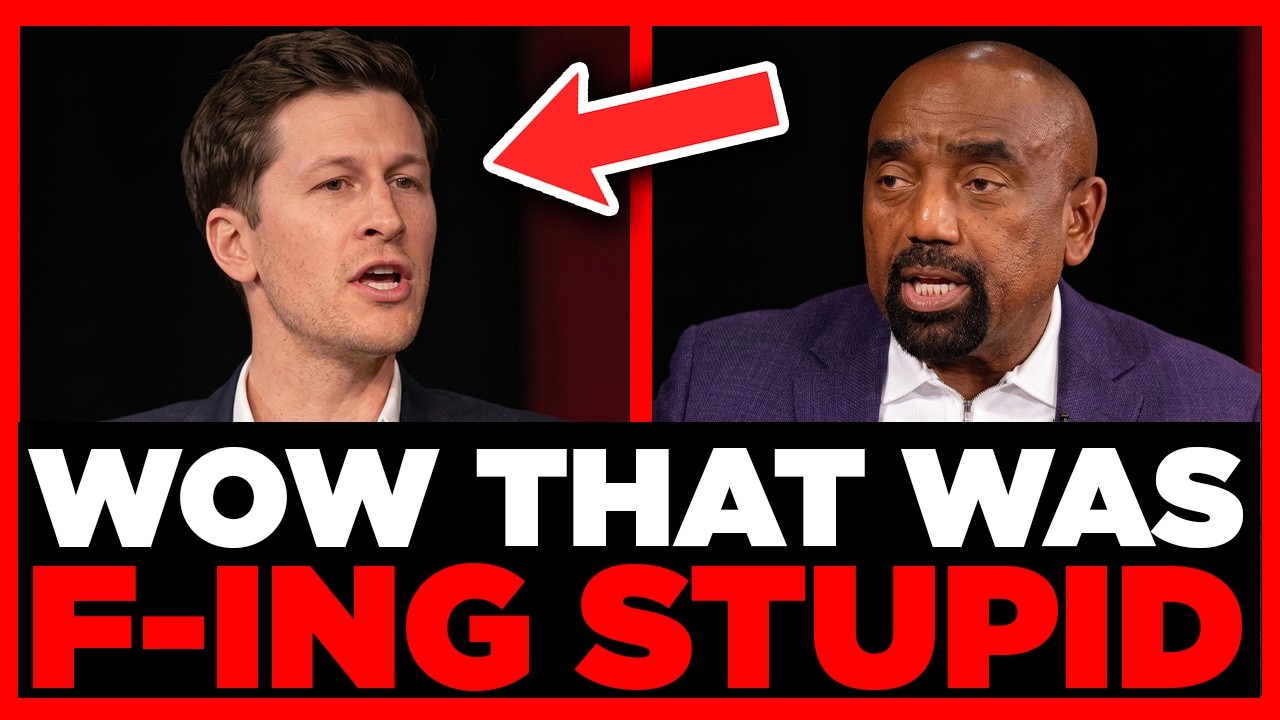
Jesse Lee Peterson STUTTERS as Three Women DESTROY His Racism Denial in Panel Debate
Posted
April 10, 2026
Views
5,862
Likes
190
Comments
134
Engagement
April 10, 2026
5,862
190
134
5.53%
Every word spoken in this episode is indexed. Type any phrase to jump straight to the moment it was said.
Type any word or phrase that may have been spoken. Click a result to seek the player to that exact moment.
Try a name, a topic, or a quoted line
 14:50Now Playing
In this video, we are reacting to one of the most intense and unfiltered roundtable debates on racism, reparations, white privilege, and systemic inequality in America. A group of people from completely different backgrounds — including a Black man who grew up under Jim Crow laws in Alabama, a white woman who pastors an African-American church, a young Black woman, and a Black woman activist — sit down together and hold absolutely nothing back. What unfolds is a raw, honest, and at times shocking exchange that forces every participant to confront the reality of race relations in the United States from their own lived experience.
The debate opens with a direct question about reparations — should Black Americans receive financial compensation for the generational impact of slavery? The responses are immediate and divided. One participant argues that centuries of forced labor created an economic debt that has never been addressed. Another pushes back hard, arguing that reparations represent dependency rather than empowerment. The conversation then moves into the question of white privilege — does it exist, and if so, what does it actually mean for Black Americans navigating education, employment, and everyday life in this country?
One of the most striking moments in this entire debate comes when the older Black man — who openly admits he grew up under Jim Crow laws in Alabama — looks the group in the eye and says racism does not exist. The white woman pastor, who leads an African-American congregation and witnesses racial inequality in her community daily, challenges him immediately. She does not rely on theory. She brings real, documented evidence from inside her own church — Black caregivers working the same job at the same agency being paid consistently less than their counterparts of other races. The opponent dismisses it. And that dismissal speaks louder than any argument made in this entire video.
The discussion then turns to the history of slavery itself — who was responsible, who profited, and whether the legacy of chattel slavery in America can be separated from its racial foundations. The debate over whether Black people were complicit in the transatlantic slave trade, the role of Arab traders, and what that history means for conversations about accountability today becomes one of the most heated exchanges in the video. The young Black woman then raises the issue of beauty standards and representation — how white supremacy as a cultural system shaped her self-image growing up, not through individual acts of racism but through a media landscape that consistently centered whiteness as the default standard of beauty and success.
The segment closes with a moment that redefines the entire conversation. The pastor uses the opponent's own biography against him — pointing out that the very Jim Crow laws he lived under were created and enforced by white racists, and asking how anyone could genuinely believe that system of deeply embedded prejudice could simply vanish within fifty years. Her argument draws on something that historians and sociologists have documented extensively — that cultural beliefs normalized across generations do not disappear because legislation changes. They transmit through families, institutions, and social structures long after the laws that created them are gone.
This is a debate that touches on some of the most important and unresolved questions in American society. Whether you agree or disagree with any of the perspectives in this video, this conversation is one that deserves to be heard, examined, and discussed. What do you think? Does systemic racism still exist in America today? Should reparations be part of the national conversation? Drop your thoughts in the comments below — we want to hear from every side of this discussion.
If this video made you think, made you uncomfortable, or gave you something you had never considered before, please like, share, and subscribe. These are the conversations that matter.
Sentinel Indexing in Progress
Metadata and chapters are available. Claim extraction for this episode is pending.
All video content is delivered via YouTube embedded players in accordance with the YouTube Terms of Service. Sentinel provides research tools that promote discovery and accountability across political media.