Elan Show
@elanshowofficial·28.6K subscribers·316 videos
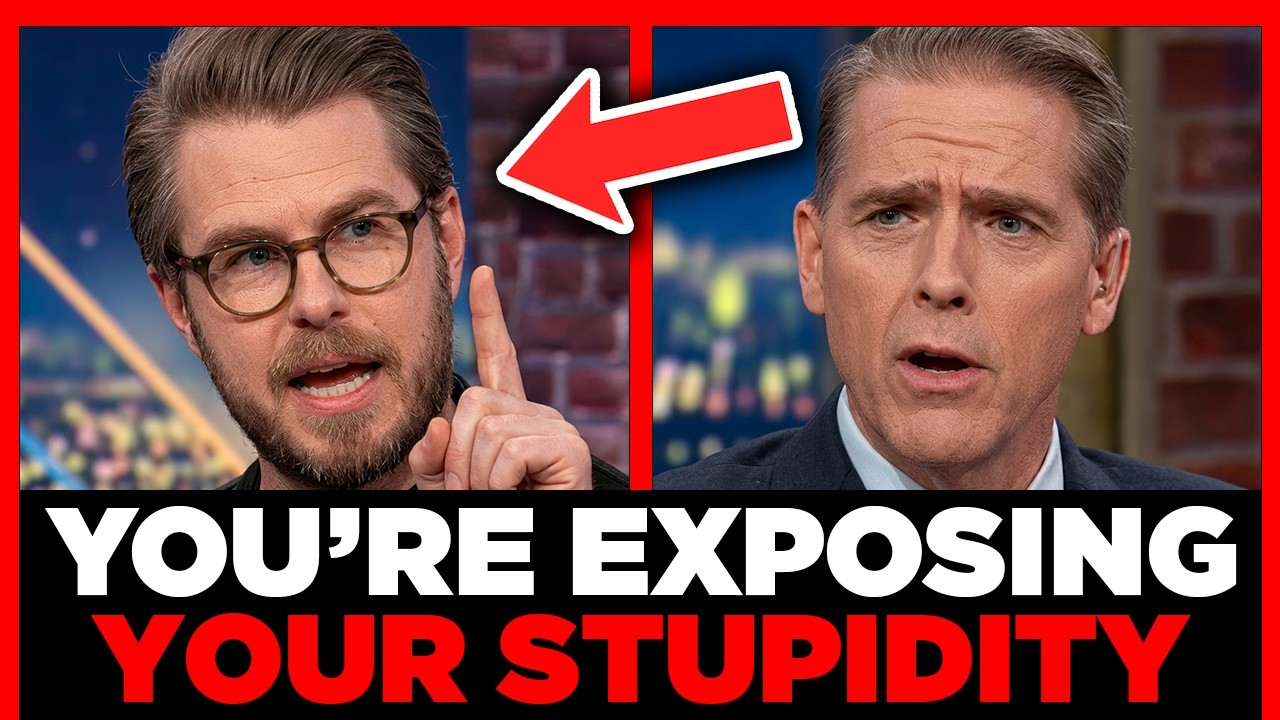
Miles Taylor SHREDS MAGA Id*ot Scott Jennings' Hypocrisy By Using HIS OWN WORDS
Posted
August 8, 2026
Views
13,177
Likes
475
Comments
40
Engagement
3.91%
August 8, 2026
13,177
475
40
3.91%
Every word spoken in this episode is indexed. Type any phrase to jump straight to the moment it was said.
Type any word or phrase that may have been spoken. Click a result to seek the player to that exact moment.
Try a name, a topic, or a quoted line
 14:08Now Playing
In this video, a late-night CNN panel completely loses its patience with itself, and what starts as a routine political discussion turns into one of the sharpest confrontations this table has produced in months. Kate Bolduan is in the host chair filling in on NewsNight, the show normally anchored by Abby Phillip, and she spends most of this stretch trying to referee a group of people who have clearly stopped pretending to agree on the basic facts in front of them.
The conversation opens on a story that landed the same evening: Marjorie Taylor Greene, one of the most recognizable and most consistently loyal figures in the modern Republican coalition, has just been publicly disowned by the president she spent years defending. The reason is not a spending vote or a policy disagreement. It is her insistence that a set of federal investigative documents be released in full. She responds by posting screenshots of private messages and accusing the administration of fighting far harder than it should to keep those records sealed. The panel cannot agree on what that means. Is it a personal falling out with no wider significance, or the first visible crack in a coalition that has held together through everything else?
Betsy McCaughey, the former Lieutenant Governor of New York, treats the split as ordinary political weather and compares it to a short-lived romance. Stacey Schneider, a criminal defense attorney who once appeared on The Apprentice and has known the president socially for decades, argues that anyone who picks a public fight with him loses regardless of whether they are correct. Jamal Simmons, a Democratic strategist and former White House communications director, pushes the opposite view, arguing the fracture has been widening for months across the government shutdown, health care subsidies and foreign policy.
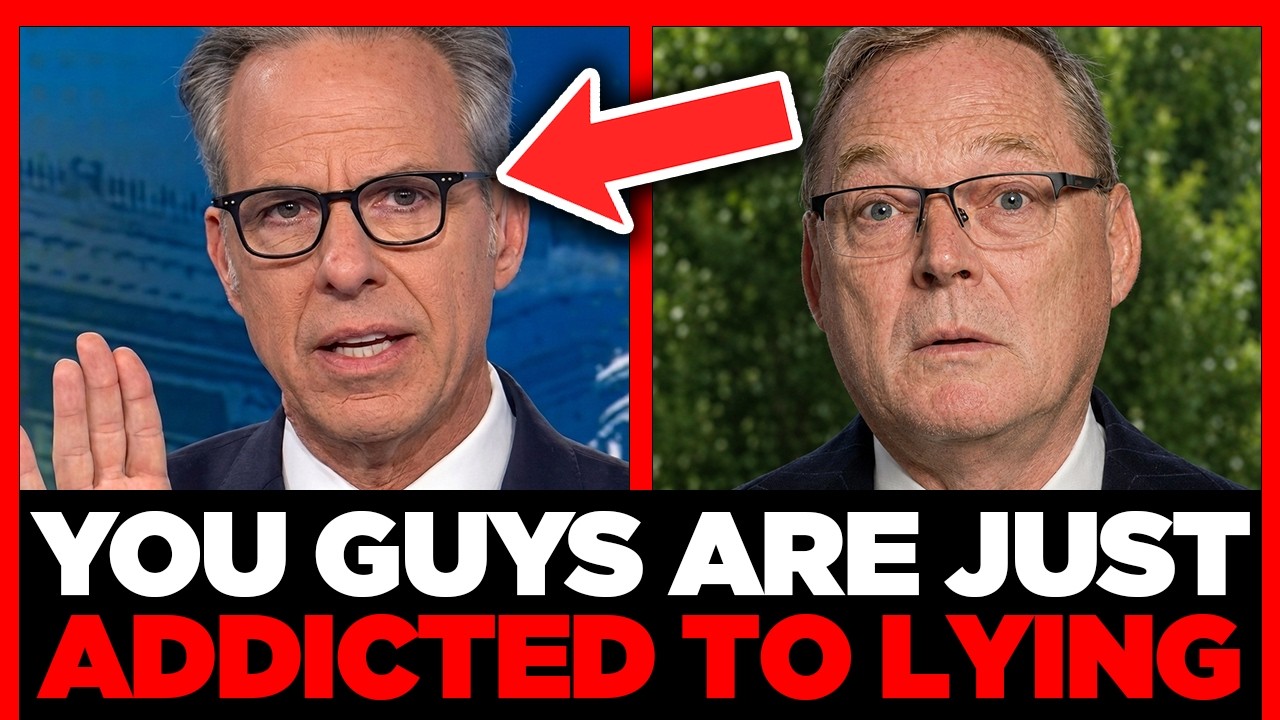
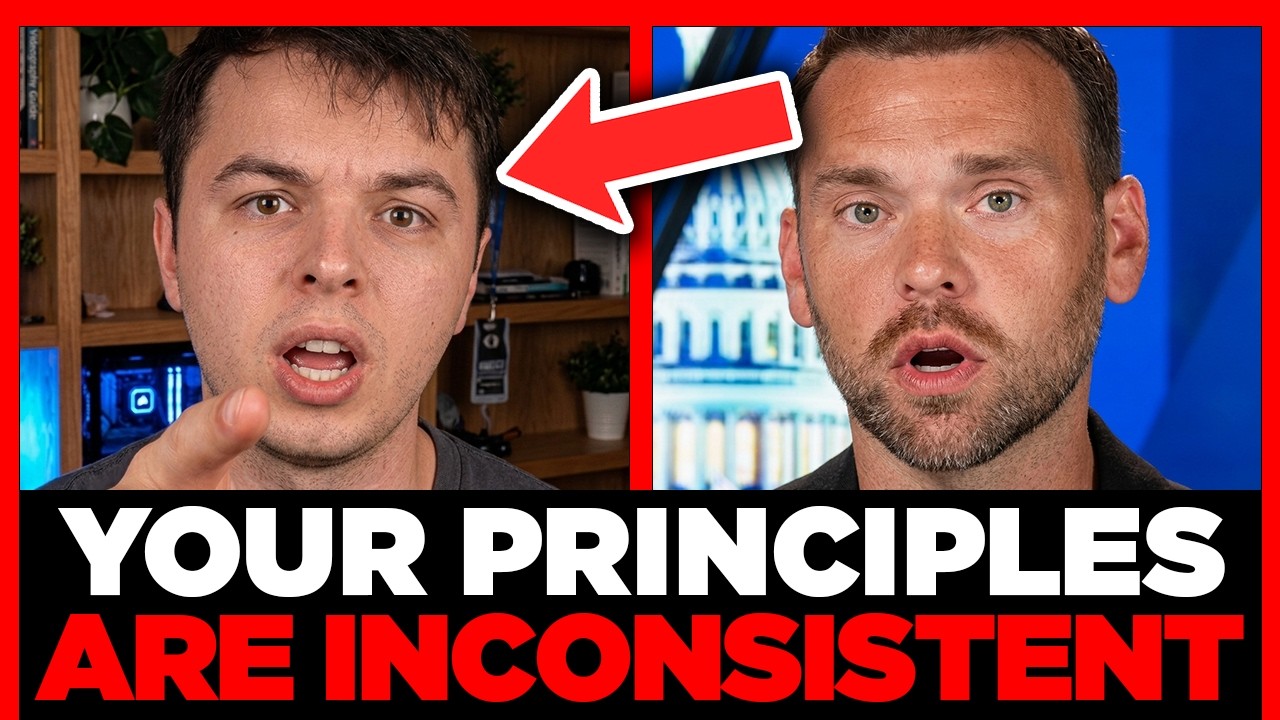
Then the argument sharpens considerably. Scott Jennings, the conservative commentator and longtime Republican strategist, traces the whole dispute back to the decision to strike Iran and suggests the critics are simply chasing television cameras. Miles Taylor, the former Department of Homeland Security chief of staff who served in the first term of this administration and later wrote anonymously about it, responds by reading Scott Jennings' own past assessments of the president back to him on air. The exchange that follows is the centerpiece of the clip, and it puts Jennings in the position of either defending his earlier analysis or explaining why he set it aside.
From there the panel moves through the discharge petition being pushed by Thomas Massie, the pattern of self-described loyalists like Rand Paul breaking ranks, Marjorie Taylor Greene's unusual fundraising strength within the party, and finally the ongoing structural work at the White House and whether a president should be able to authorize demolition without any outside approval. Kate Bolduan closes the segment by naming the rhetorical tactic she keeps encountering, calling out the habit of insisting the public only cares about one issue as a way of avoiding an uncomfortable question entirely.
This is essential viewing for anyone who follows American political debate, cable news panel discussions, conservative versus liberal argument, Republican party infighting, congressional oversight fights, executive power and the limits of presidential authority, media accountability, and the growing tension between institutional loyalty and institutional independence. It is also a useful case study in debate technique, because the strongest move in the entire segment is not an insult but a quotation.
NewsNight is CNN's late evening panel program built around bringing people with genuinely opposing views to the same table rather than separating them into friendly blocks. The format regularly produces exchanges like this one, where the disagreement is real and neither side is performing for an audience that already agrees with them.
So what do you think? Was this a fair challenge or an unfair one? Did the strongest argument come from the panelists or from the host? Drop your take in the comments, tell us where you are watching from, and share this with someone who will have a very different opinion about it.
Sentinel Indexing in Progress
Metadata and chapters are available. Claim extraction for this episode is pending.
All video content is delivered via YouTube embedded players in accordance with the YouTube Terms of Service. Sentinel provides research tools that promote discovery and accountability across political media.