Oceanx
@oceanx·609K subscribers·610 videos
Sequencing the Genome of the Red Sea
Posted
February 20, 2024
Views
3,639
Likes
323
Comments
5
Engagement
9.01%
February 20, 2024
3,639
323
5
9.01%
Every word spoken in this episode is indexed. Type any phrase to jump straight to the moment it was said.
Type any word or phrase that may have been spoken. Click a result to seek the player to that exact moment.
Try a name, a topic, or a quoted line
 0:39Now Playing
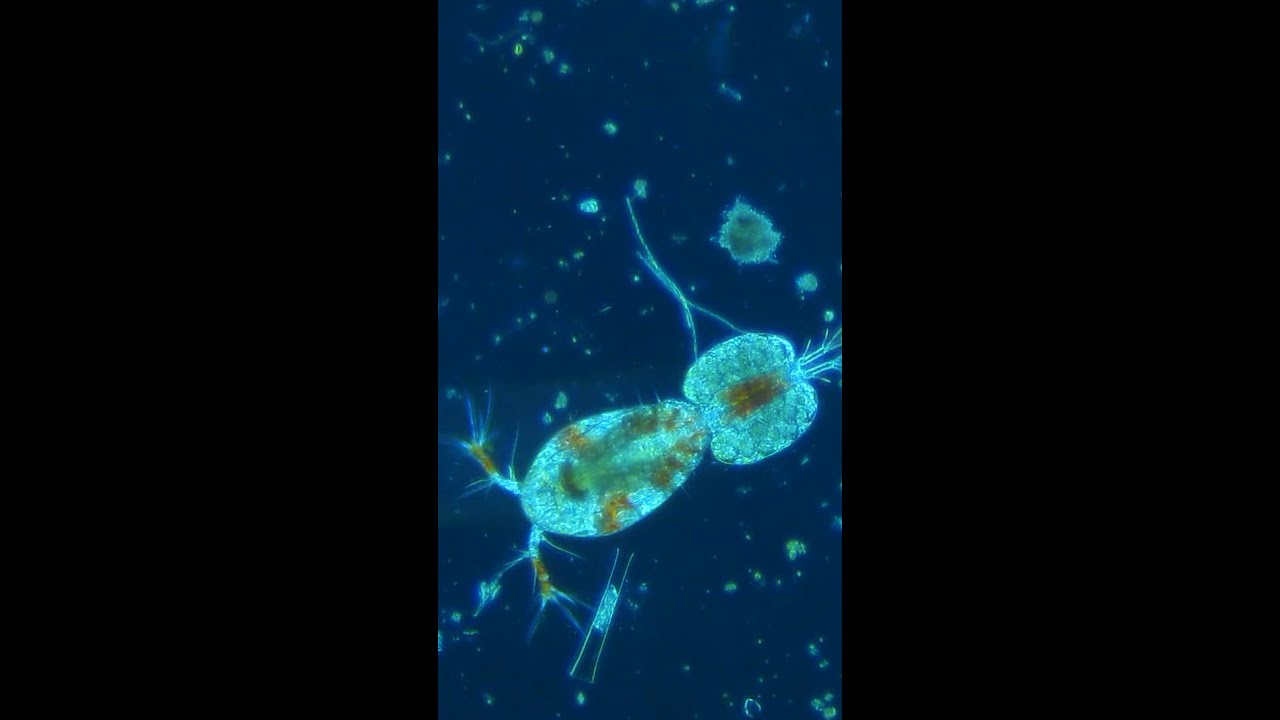
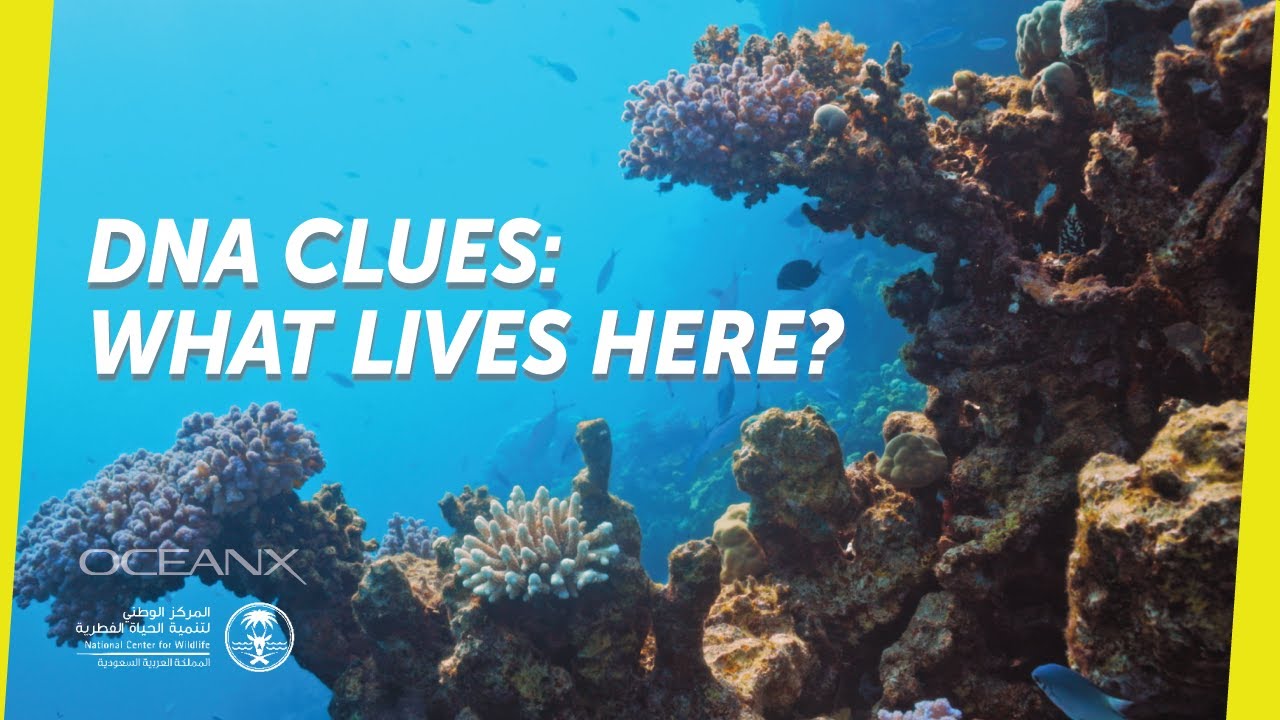
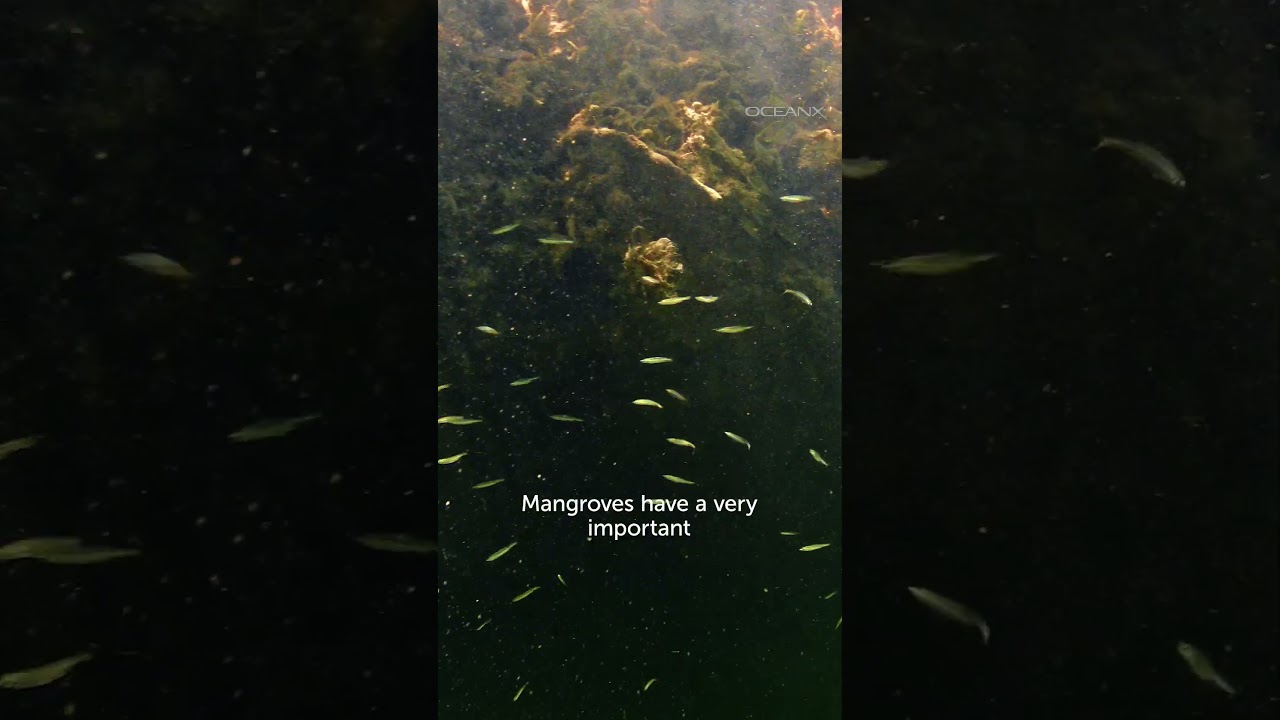
Every organism that moves through the ocean leaves behind traces of its presence, like fish scales or tiny bits of mucus or feces. Those left-behind materials are called eDNA. The “e” stands for environmental. By taking a water sample and analyzing those genetic traces, scientists can identify which organisms are (or were) present in the ecosystem.
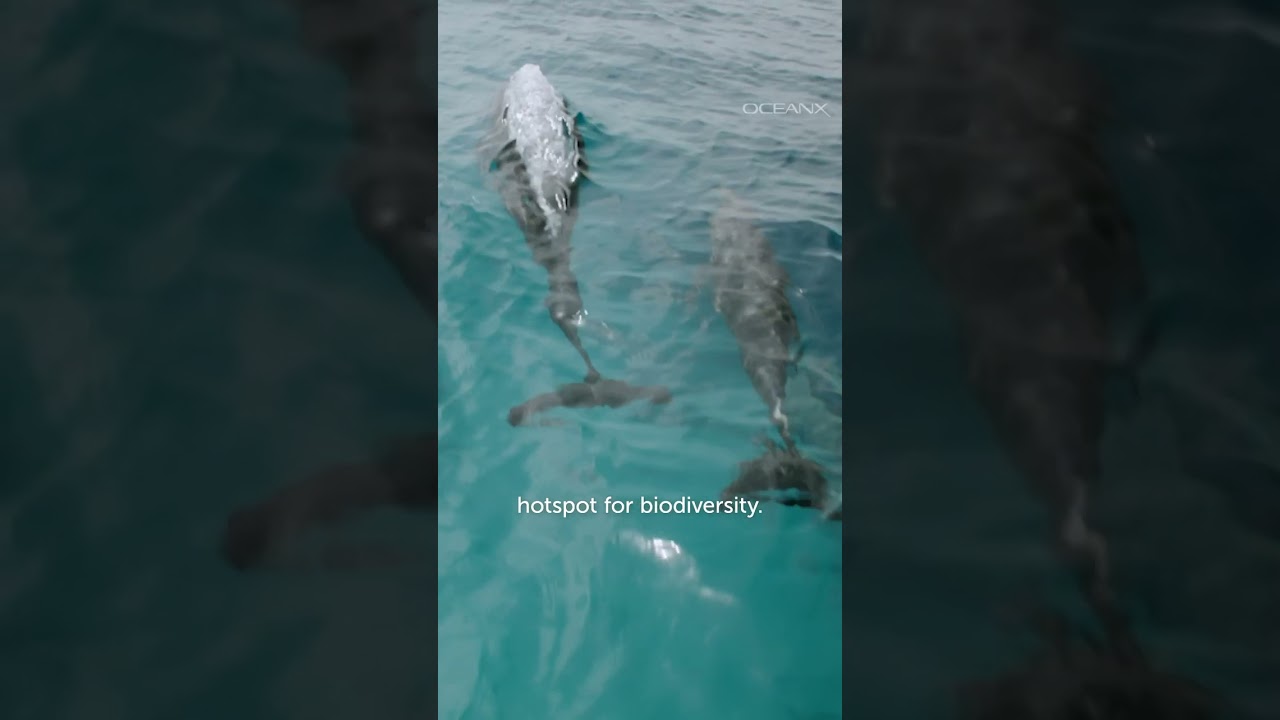
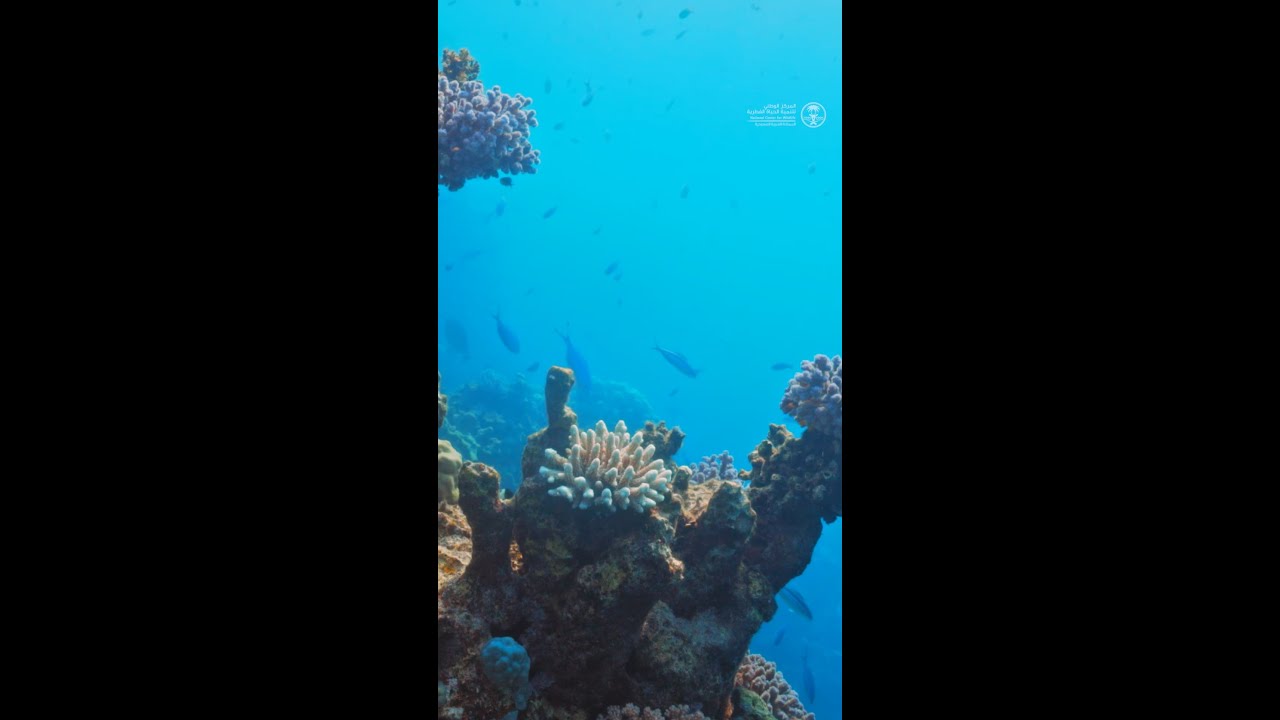
That comes in handy when you are trying to get a complete picture of the biodiversity in a huge area like the Red Sea, from its microbes to its megafauna. Through the study of eDNA, scientists will be able to gain a fuller understanding of what lives in the Red Sea, and propose conservation measures to protect this valuable ecosystem.
Watch the full story on our channel!
Sentinel Indexing in Progress
Metadata and chapters are available. Claim extraction for this episode is pending.
All video content is delivered via YouTube embedded players in accordance with the YouTube Terms of Service. Sentinel provides research tools that promote discovery and accountability across political media.