The Randall Carlson
@therandallcarlson·632K subscribers·2.1K videos
200,000 Years of Humans. How Many Resets?
Posted
March 7, 2026
Views
27,058
Likes
1,392
Comments
49
Engagement
5.33%
March 7, 2026
27,058
1,392
49
5.33%
Every word spoken in this episode is indexed. Type any phrase to jump straight to the moment it was said.
Type any word or phrase that may have been spoken. Click a result to seek the player to that exact moment.
Try a name, a topic, or a quoted line
 1:00Now Playing
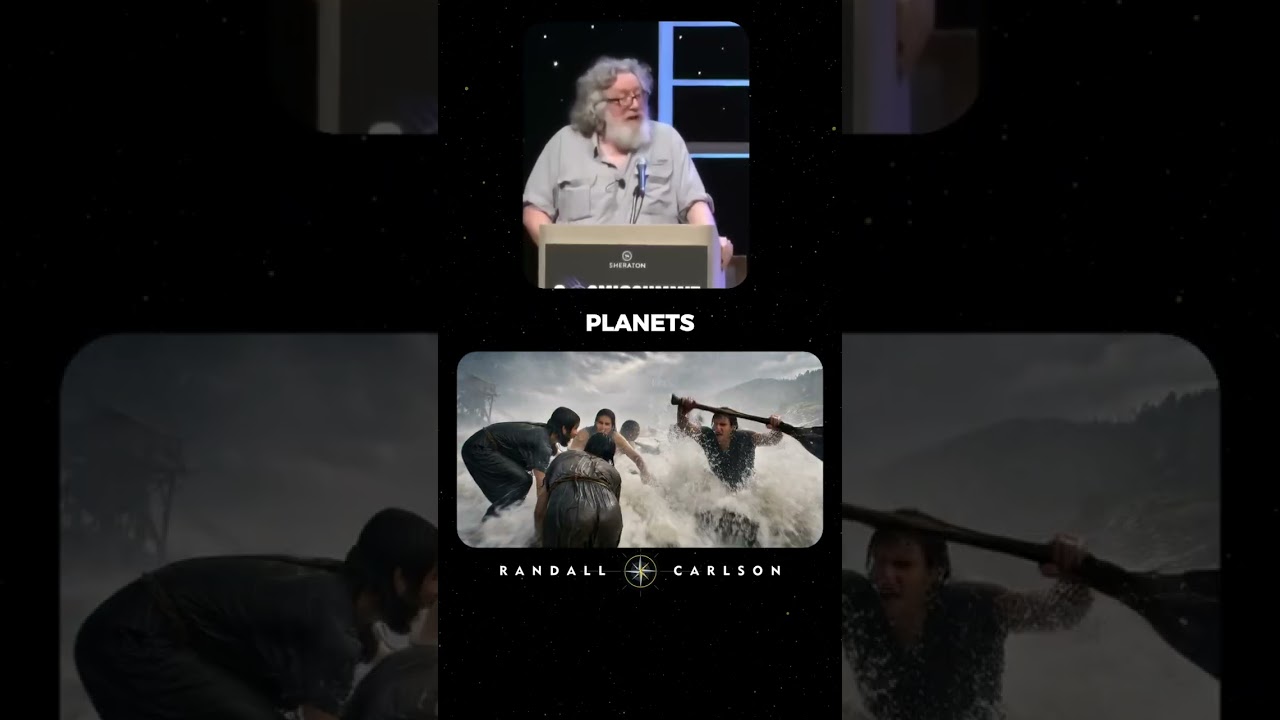
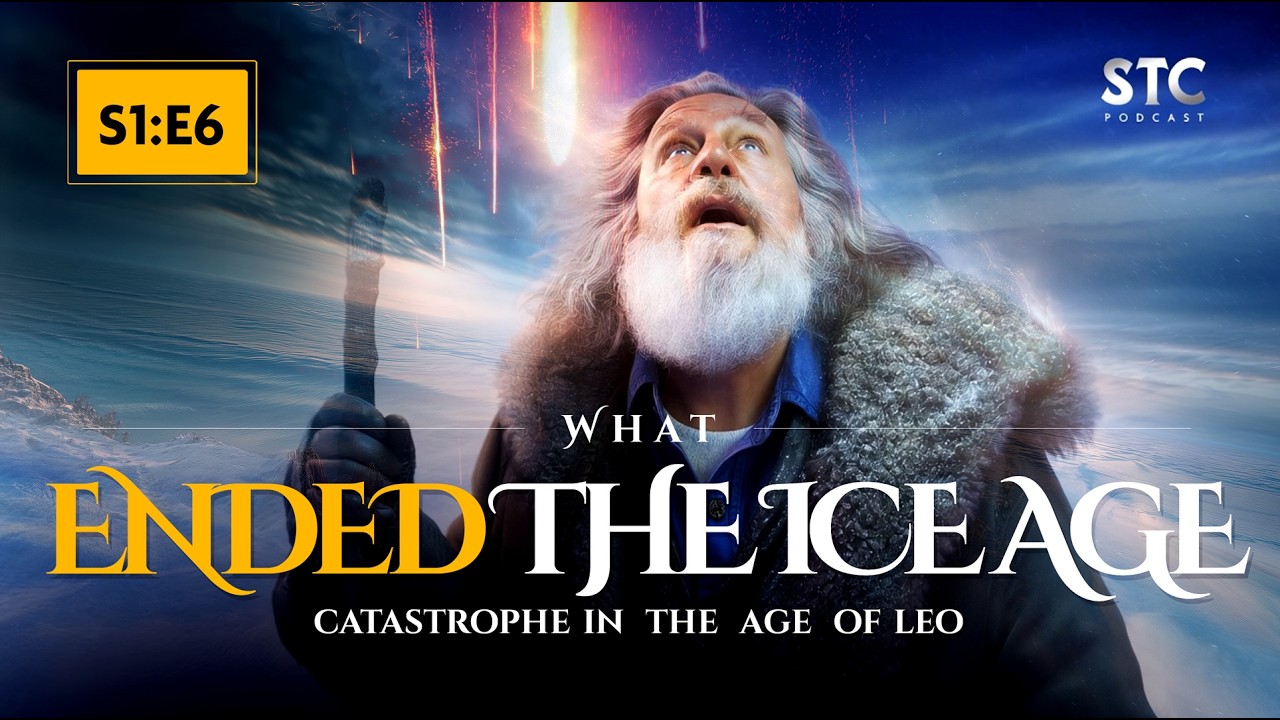
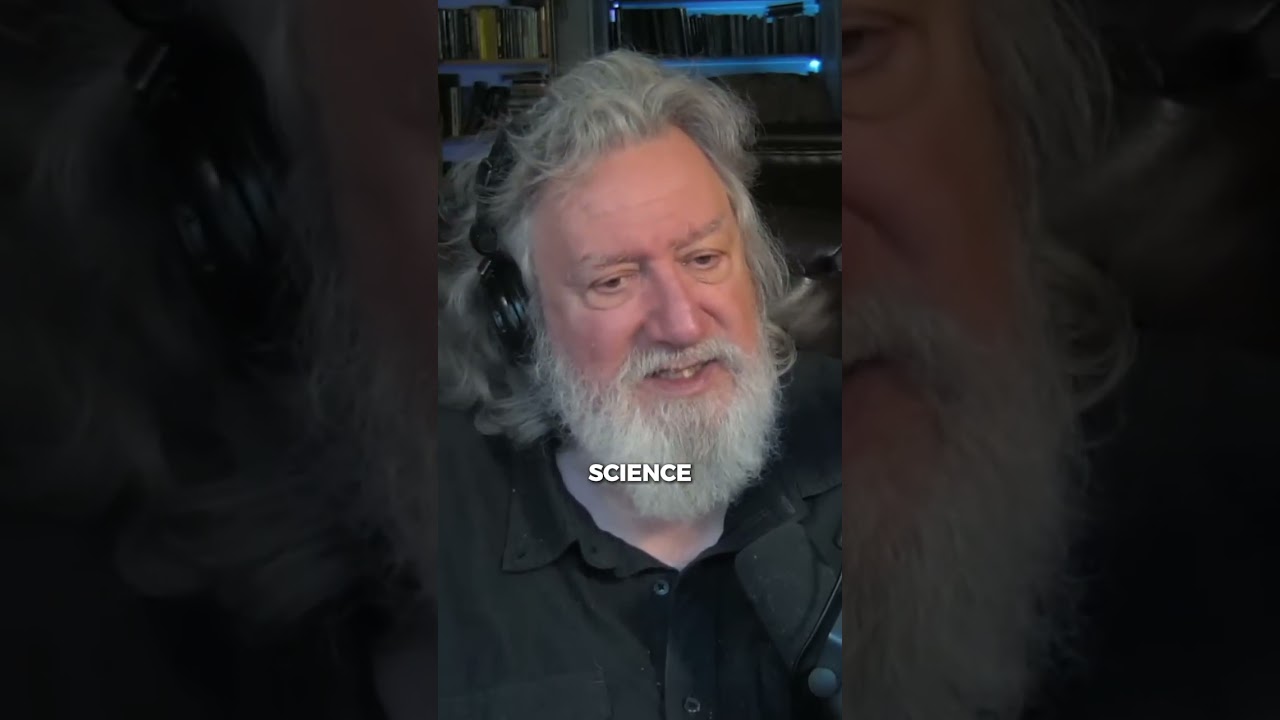
The model of human civilization as a steady, upward arc of progress is, according to Randall, fundamentally wrong - and the science to challenge it has been building for decades. Stephen Jay Gould's concept of punctuated equilibrium was developed to describe interruptions in the history of life itself, but Randall argues the model applies with equal force to the history of human civilization. Progress is not linear. It is periodically reset by events of extraordinary severity.
What makes this reframing significant is the timescale Randall places it against. Modern humans - Homo sapiens sapiens - go back conservatively 150,000 years, with some skeletal remains now dating close to 200,000. Against that backdrop, the civilization we can account for represents a fraction of the time our species has existed on this planet. Randall’s point is that once you understand the true extent of past catastrophic events and the degree to which this planetary surface has been physically remodeled within the human timeline, the question is no longer whether previous civilizations were interrupted. It is how many times - and what was lost each time the reset came.
Sentinel Indexing in Progress
Metadata and chapters are available. Claim extraction for this episode is pending.
All video content is delivered via YouTube embedded players in accordance with the YouTube Terms of Service. Sentinel provides research tools that promote discovery and accountability across political media.