The Randall Carlson
@therandallcarlson·632K subscribers·2.1K videos
The Worst Mass Extinction in 5 Million Years. We Caused It?
Posted
March 6, 2026
Views
18,442
Likes
1,012
Comments
22
Engagement
March 6, 2026
18,442
1,012
22
5.61%
Every word spoken in this episode is indexed. Type any phrase to jump straight to the moment it was said.
Type any word or phrase that may have been spoken. Click a result to seek the player to that exact moment.
Try a name, a topic, or a quoted line
 0:44Now Playing
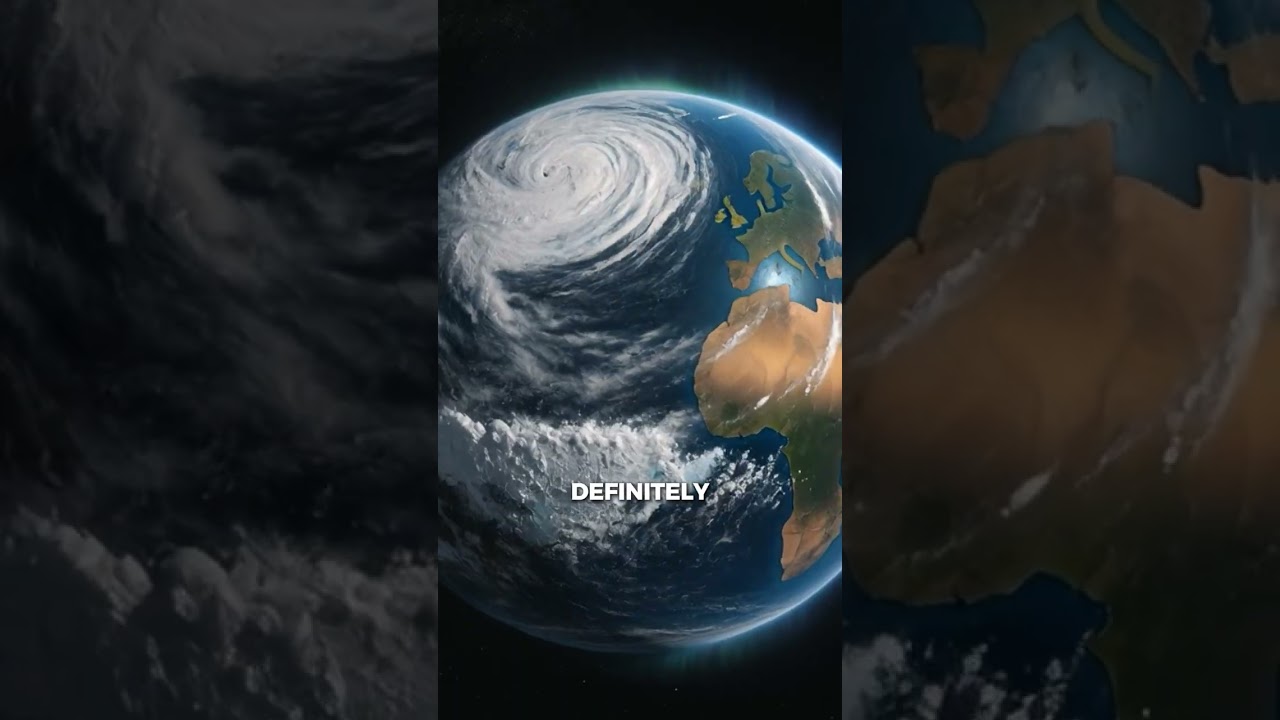
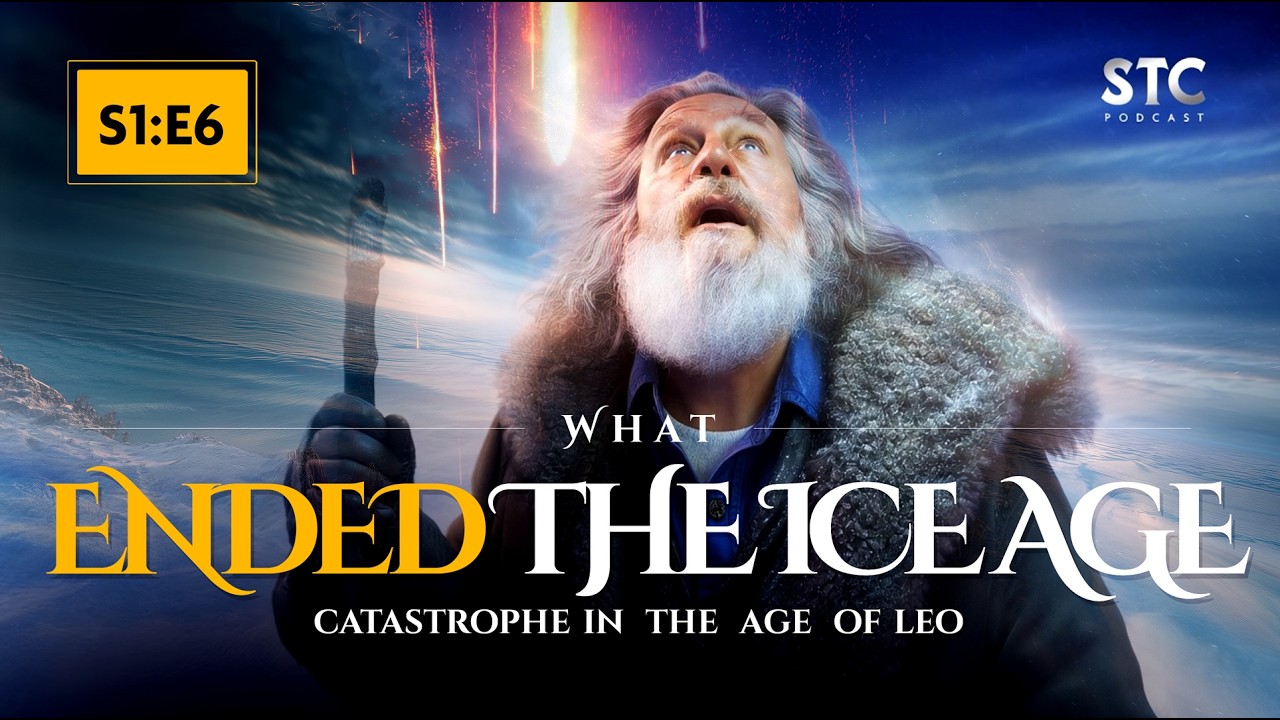
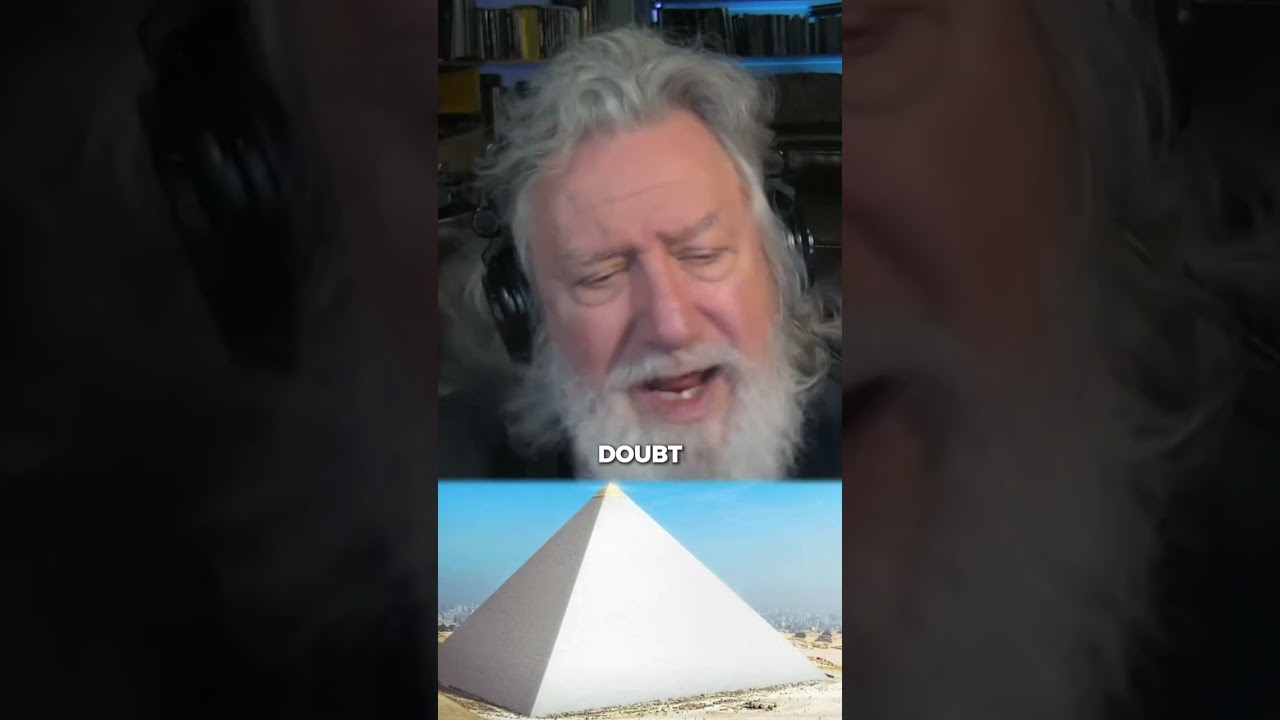
The terminal Pleistocene extinction event - the one that wiped out the megafauna and coincides with the Younger Dryas boundary - is, as best as Randall Carlson can determine, the greatest mass extinction event in approximately 5 million years. That alone is a striking claim. However, what makes it more significant is what appears to precede it.
Around 5 million years ago, a separate major extinction and climatic disruption occurred, known as the Hemphill Extinction event. The dating may not yet be precise enough to draw a definitive connection, but the temporal correlation with a known impact is close enough to warrant serious attention.
What Randall identifies as particularly important is the emerging pattern in the data itself. Impacts do not appear to be uniformly distributed across geological time. They cluster. If that is correct, it changes the model of cosmic risk entirely - and raises the question of whether the events at the Younger Dryas boundary and 5 million years ago are part of the same recurring pattern rather than isolated catastrophes.
Sentinel Indexing in Progress
Metadata and chapters are available. Claim extraction for this episode is pending.
All video content is delivered via YouTube embedded players in accordance with the YouTube Terms of Service. Sentinel provides research tools that promote discovery and accountability across political media.