The Randall Carlson
@therandallcarlson·632K subscribers·2.1K videos
7,000 Generations Before a Single Civilisation Emerged
Posted
March 5, 2026
Views
24,809
Likes
1,362
Comments
61
Engagement
5.74%
March 5, 2026
24,809
1,362
61
5.74%
Every word spoken in this episode is indexed. Type any phrase to jump straight to the moment it was said.
Type any word or phrase that may have been spoken. Click a result to seek the player to that exact moment.
Try a name, a topic, or a quoted line
 0:53Now Playing
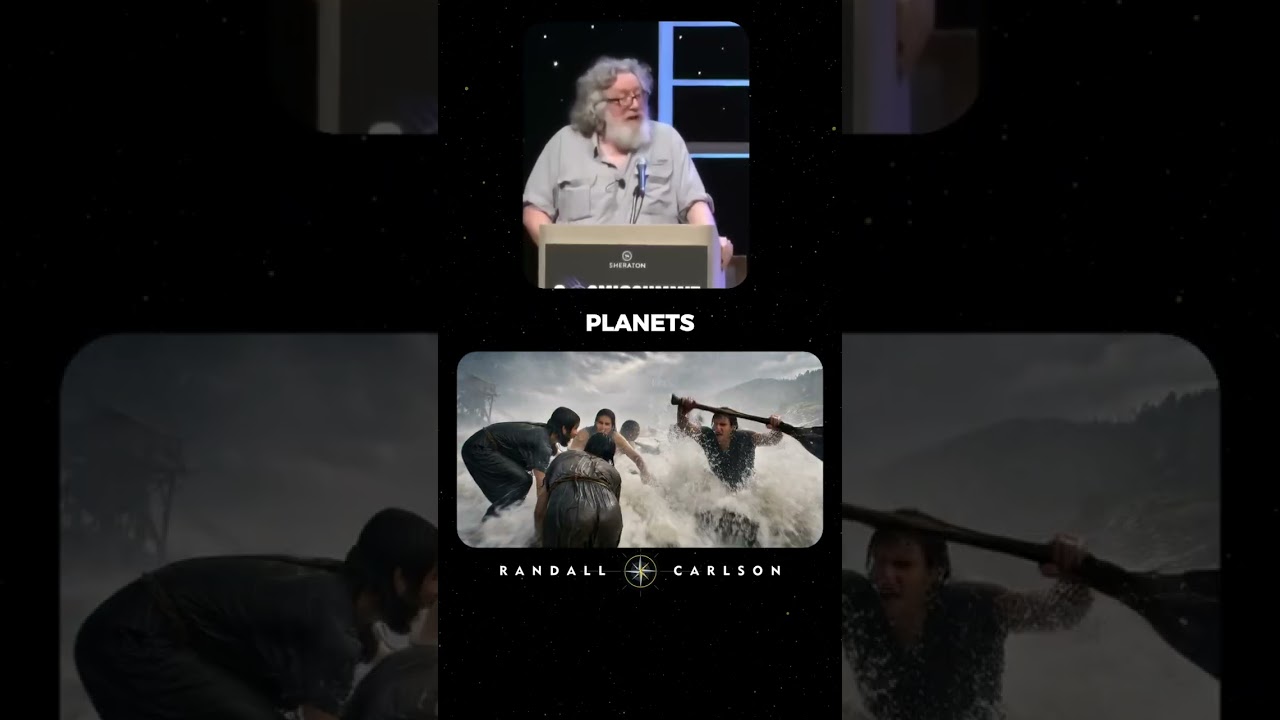
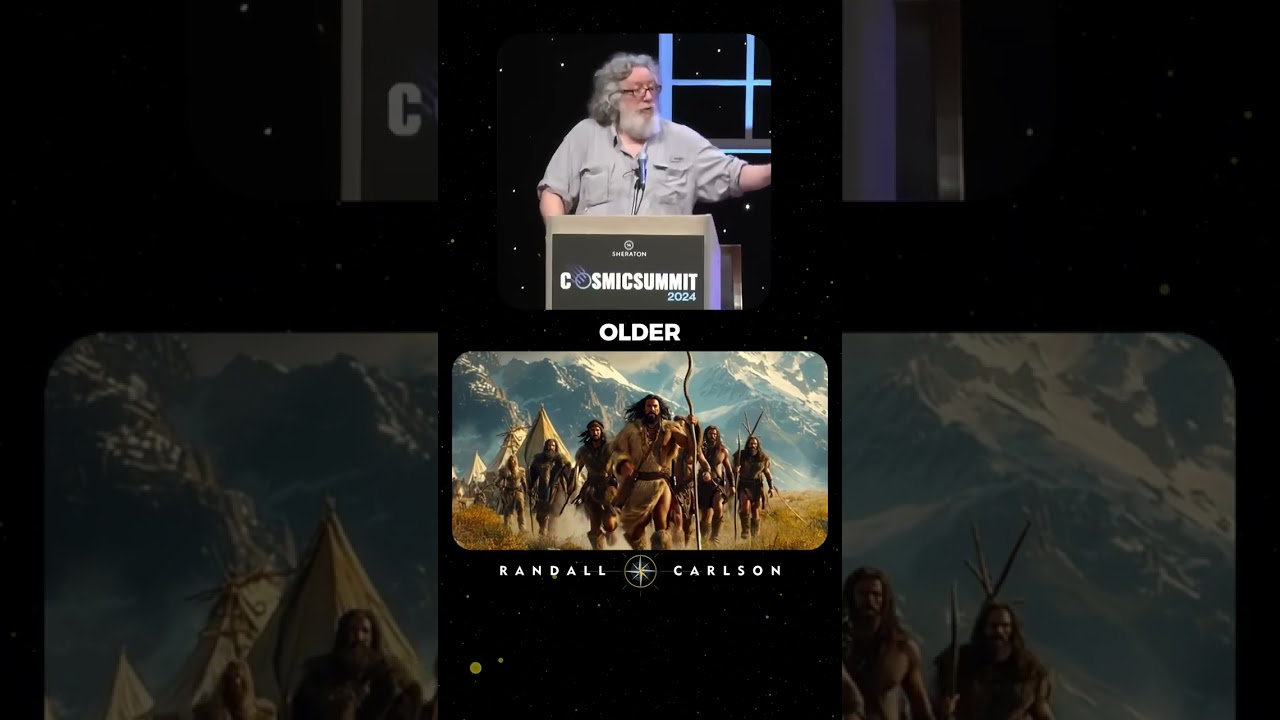
The latest skeletal evidence places anatomically modern humans on Earth somewhere between 180,000 and 200,000 years ago. That is approximately 7,000 generations of people biologically identical to us - with the same brains, the same cognitive capacity, and presumably the same drive to organise, build, and innovate.
And yet, by the conventional account, civilisation only appeared in the last few hundred generations. The question Randall Carlson raises is not rhetorical. It is one of the most uncomfortable in all of science. How is it that across all those long generations, nothing we would recognise as civilisation took root and flourished?
The most parsimonious answer, Randall argues, may not be that civilisation simply hadn't started yet. It may be that it had - and that what we are living in now is not the origin of human civilisation, but its reboot.
Sentinel Indexing in Progress
Metadata and chapters are available. Claim extraction for this episode is pending.
All video content is delivered via YouTube embedded players in accordance with the YouTube Terms of Service. Sentinel provides research tools that promote discovery and accountability across political media.