The Randall Carlson
@therandallcarlson·632K subscribers·2.1K videos
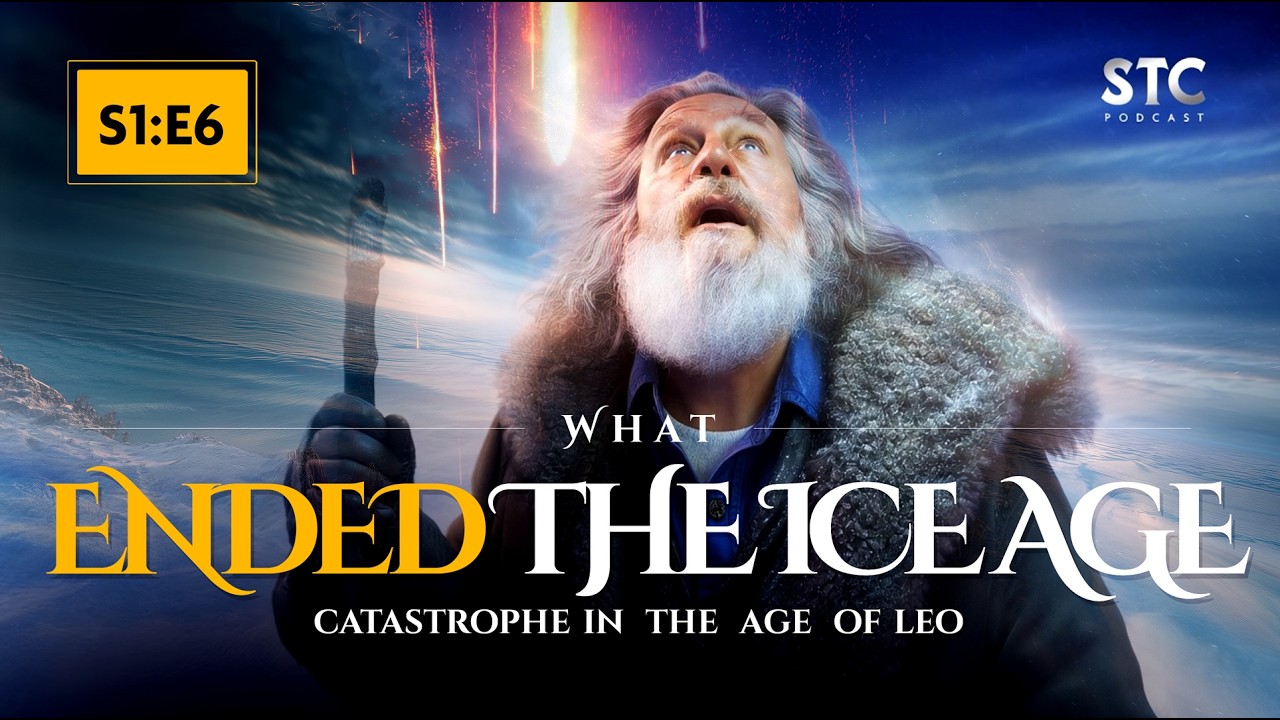
Four Times the Ice Came. Four Times It Erased Everything.
Posted
March 8, 2026
Views
60,244
Likes
2,464
Comments
50
Engagement
4.17%
March 8, 2026
60,244
2,464
50
4.17%
Every word spoken in this episode is indexed. Type any phrase to jump straight to the moment it was said.
Type any word or phrase that may have been spoken. Click a result to seek the player to that exact moment.
Try a name, a topic, or a quoted line
 0:55Now Playing
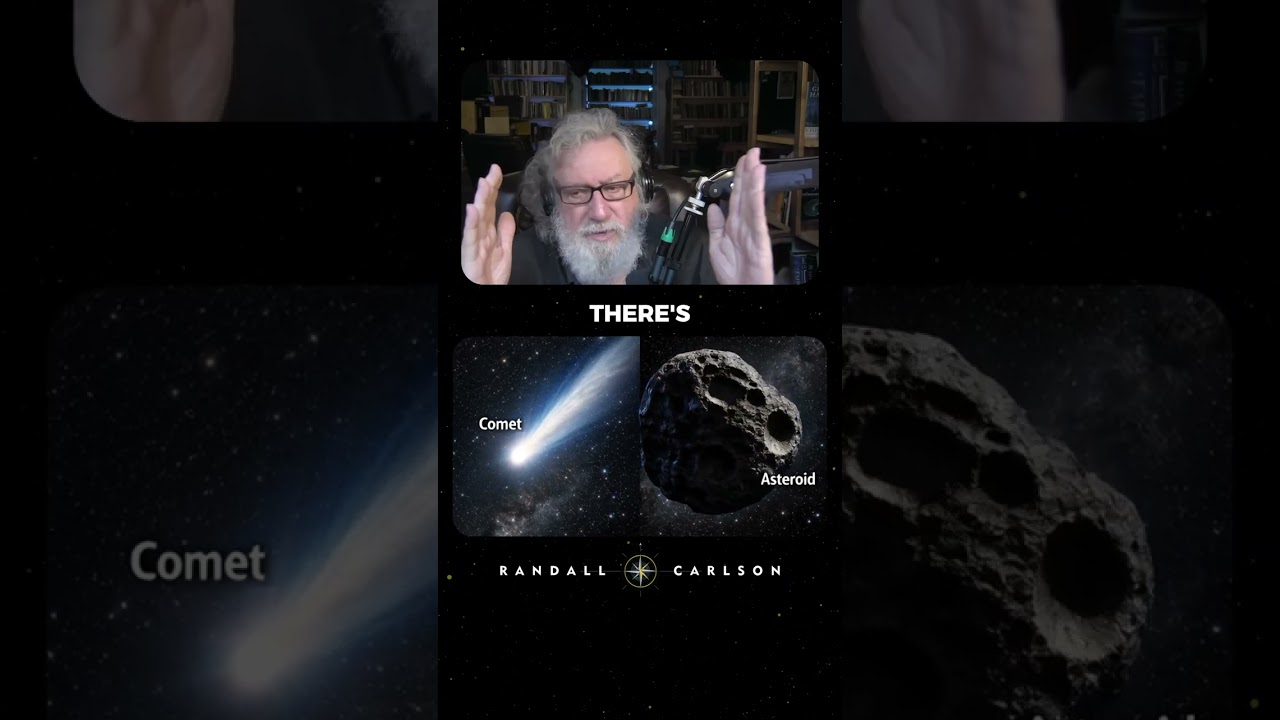
At least four separate glacial episodes have reshaped this planet - a fact established by geologists as far back as the 1950s and 1960s. Randall’s point is not simply that the ice came and went, but what it did while it was moving. A glacier is not a static sheet of frozen water sitting passively over the landscape. It is a dynamic, grinding force - thousands of feet of ice in constant motion, pulverizing everything beneath it into a chaotic mass of sand, rock, boulders, and organic material. That process leaves a very specific signature in the geological record, a layer called till, that marks exactly where the ice has been.
What Randall draws attention to is the sequence that follows. As the ice melts, the flowing meltwater carves its own distinct layer into the landscape beneath it. Then the temperature warms, and within roughly a thousand years, forests begin to grow on top of that glacial till. That progression - destruction, flooding, regrowth - has repeated at least four times in Earth's recent geological history. Each cycle buries whatever came before it. That is why Randall considers the stratigraphic record so significant - not as an abstract geological exercise, but as a direct measure of how many times the slate has been wiped clean.
Sentinel Indexing in Progress
Metadata and chapters are available. Claim extraction for this episode is pending.
All video content is delivered via YouTube embedded players in accordance with the YouTube Terms of Service. Sentinel provides research tools that promote discovery and accountability across political media.