The Randall Carlson
@therandallcarlson·632K subscribers·2.1K videos
We Can Trace an Asteroid's Path Years Into the Future. That Is the Window We Need.
Posted
April 9, 2026
Views
22,158
Likes
950
Comments
31
Engagement
April 9, 2026
22,158
950
31
4.43%
Every word spoken in this episode is indexed. Type any phrase to jump straight to the moment it was said.
Type any word or phrase that may have been spoken. Click a result to seek the player to that exact moment.
Try a name, a topic, or a quoted line
 0:39Now Playing
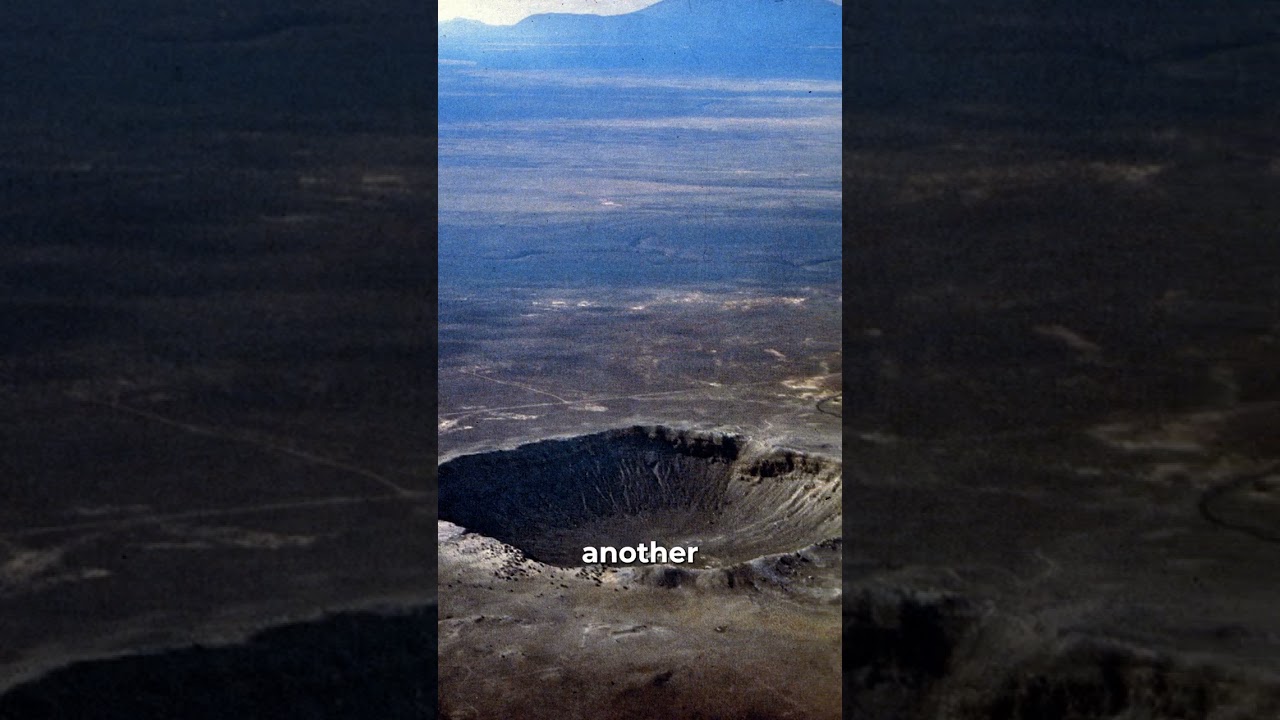
In July 1994 Shoemaker-Levy 9 slammed into Jupiter - and astronomers had predicted it over a year in advance. The mathematics were straightforward - trace the arc of the ellipse, calculate the velocity, project the trajectory forward, and the precise timing of each impact could be determined down to the day. Randall applies that same principle to the question of Earth's vulnerability to cosmic impact - and the conclusion is both reassuring and urgent simultaneously.
If an asteroid in orbit can be found early enough, its pathway into the future can be calculated with the same precision applied to Shoemaker-Levy 9. Ten years. Twenty years. The moment it will cross Earth's orbit at the precise instant Earth is there can be known in advance. And that lead time is the critical variable. Catch the object early enough and the intervention required is minimal - a small nudge applied at sufficient distance is the difference between a direct hit and a wide miss. The technology to identify, track, and redirect threatening objects exists or is within reach. The only question Randall is pointing toward is whether humanity is paying close enough attention to use it.
Interested in joining Randall in the Finger Lakes? Click here for all the details! 👇
Sentinel Indexing in Progress
Metadata and chapters are available. Claim extraction for this episode is pending.
All video content is delivered via YouTube embedded players in accordance with the YouTube Terms of Service. Sentinel provides research tools that promote discovery and accountability across political media.