Wisner Baum
@wisnerbaum·23.9K subscribers·1.7K videos
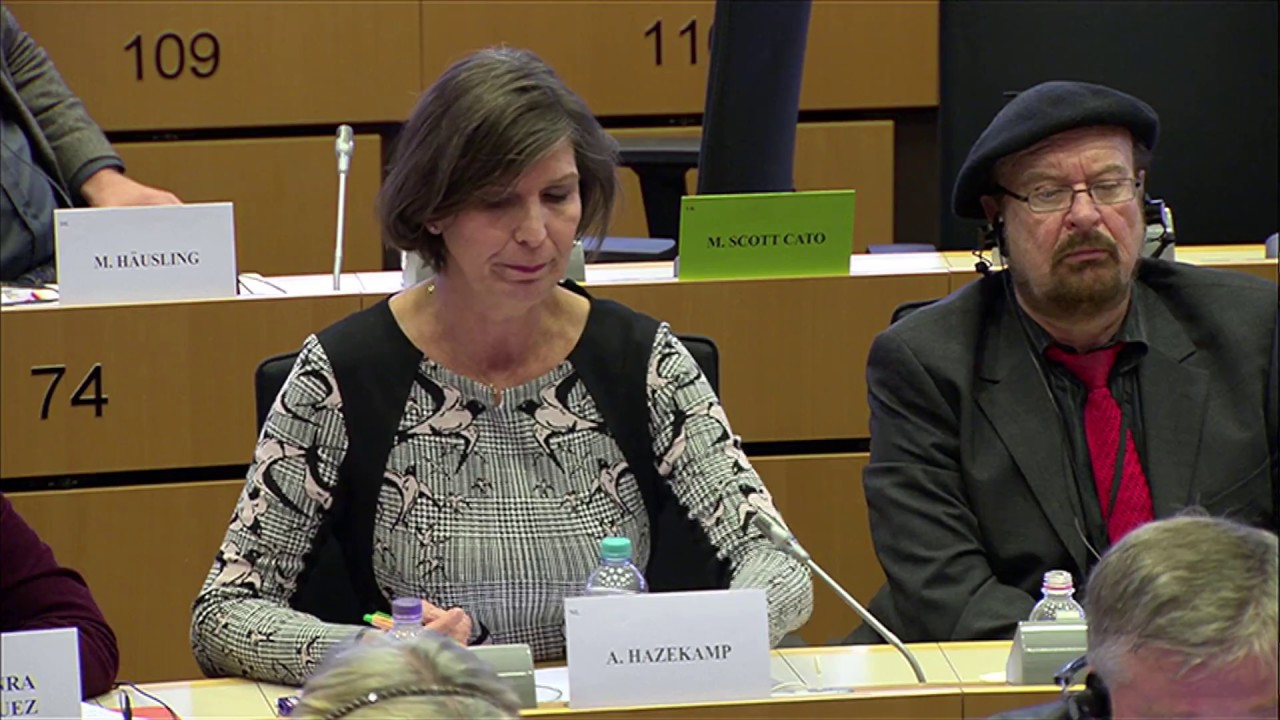
#6 Anja Hazekamp Q&A at EU Parliament Hearing on Glyphosate
Posted
October 18, 2017
Views
108
October 18, 2017
108
Every word spoken in this episode is indexed. Type any phrase to jump straight to the moment it was said.
Type any word or phrase that may have been spoken. Click a result to seek the player to that exact moment.
Try a name, a topic, or a quoted line
 18:30Now Playing
Video #6 of 14 from European Parliament Hearing: ‘The Monsanto Papers and Glyphosate’ © European Union, 2017
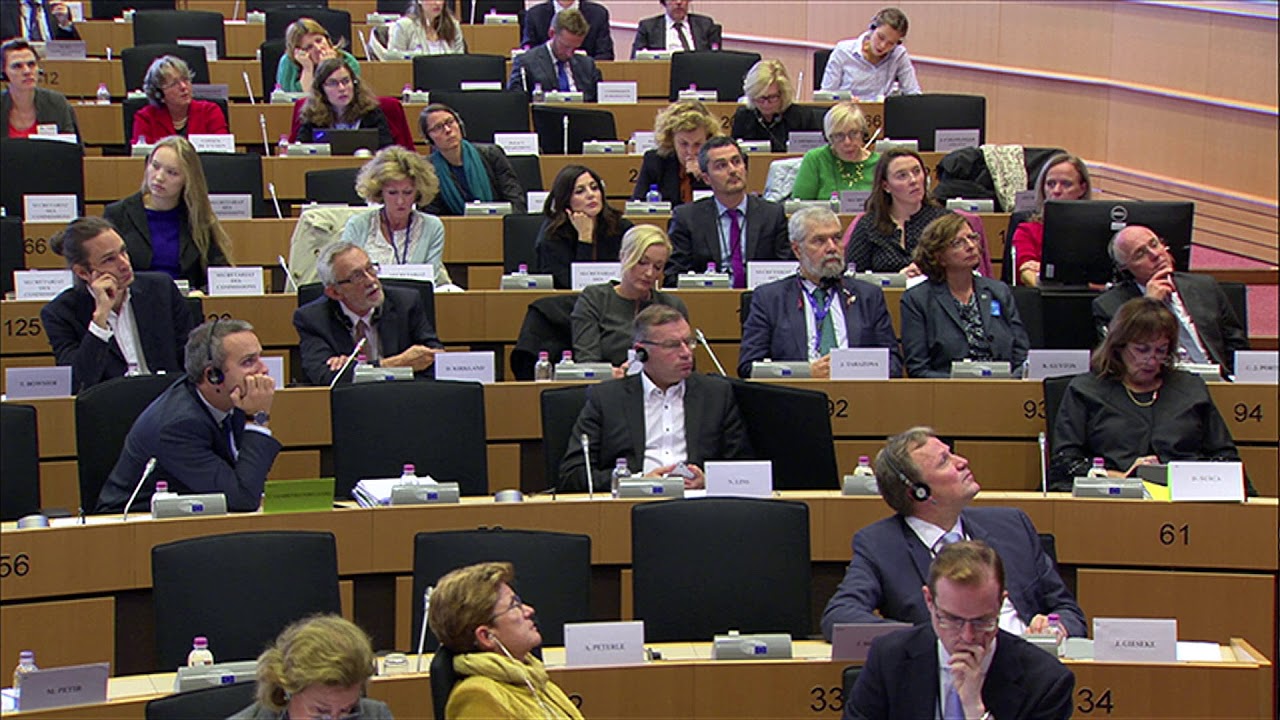
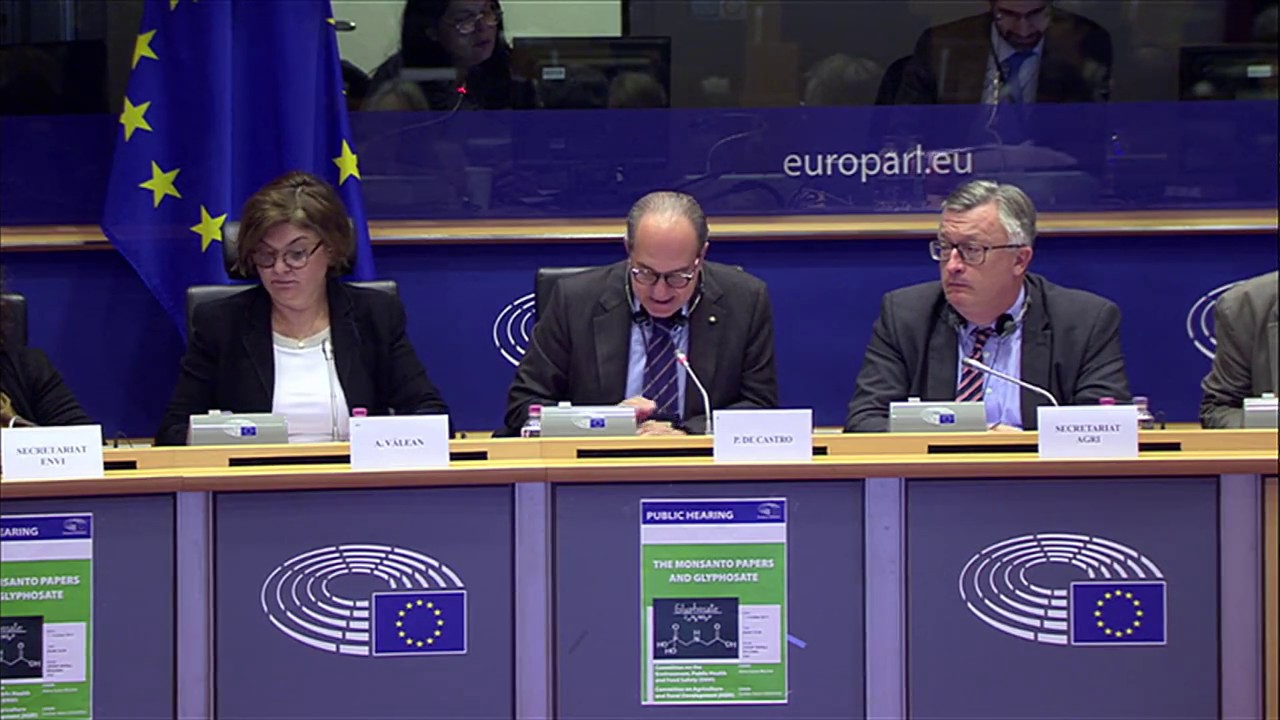
On Oct. 12, 2017, European Parliament held a public hearing discussing the Monsanto Papers and glyphosate, the active ingredient in Monsanto’s Roundup weed killer.
Glyphosate is the most widely-used agricultural chemical in the world. However, concerns have been raised over the chemical’s link to cancer.
In this hearing held by the Environment (ENVI) and Agriculture (AGRI) Committees in the EU Parliament, legislators, public health advocates, scientists and others convened to provide expert analysis on glyphosate, with particular attention paid to the stunning revelations from the Monsanto Papers, which can be viewed in their entirety here
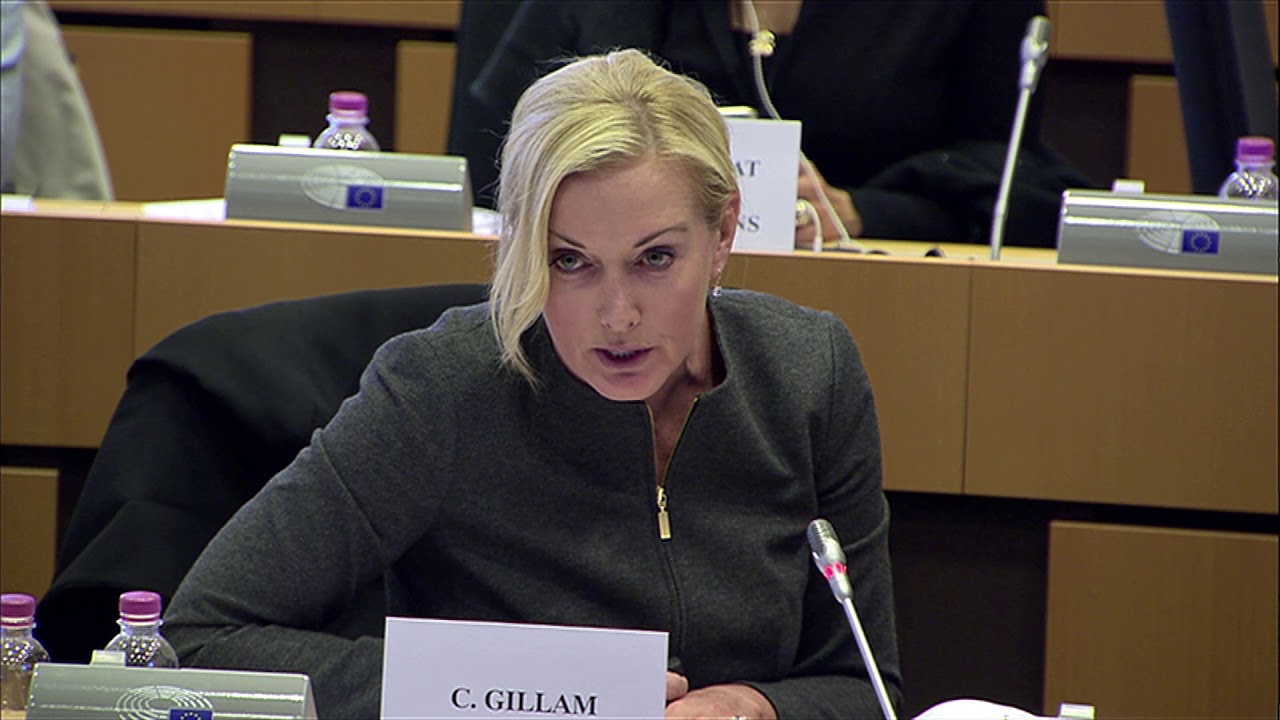
The video above includes a question & answer (Q&A) session with Members of EU Parliament Anja Hazekamp (Netherlands), Alojz Peterle (Slovenia), Albert Dess (Germany) and Susanne Melior (Germany).
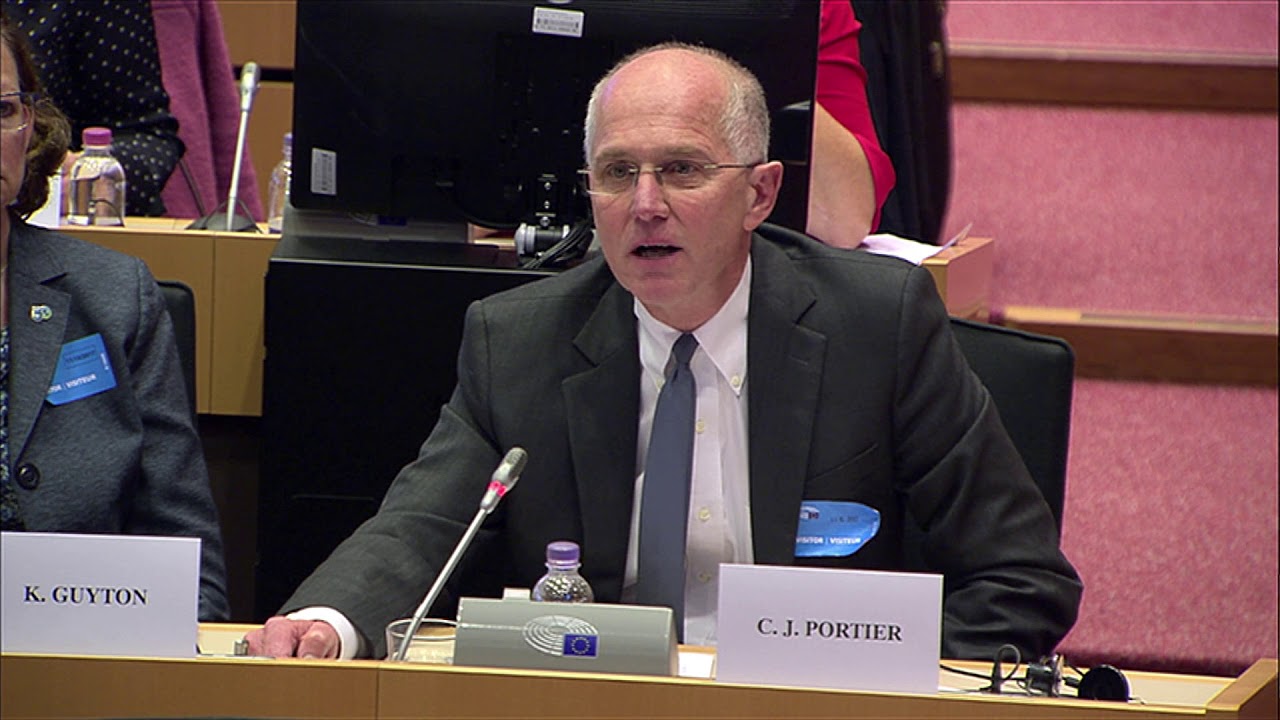
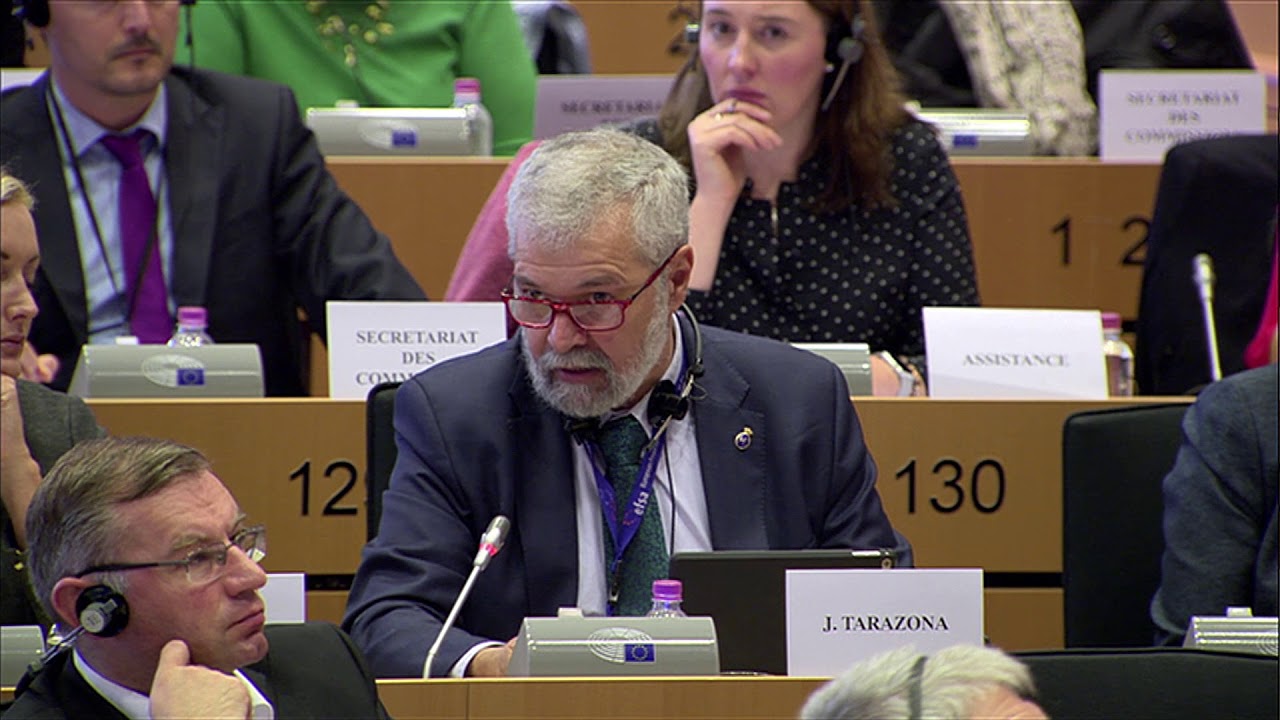
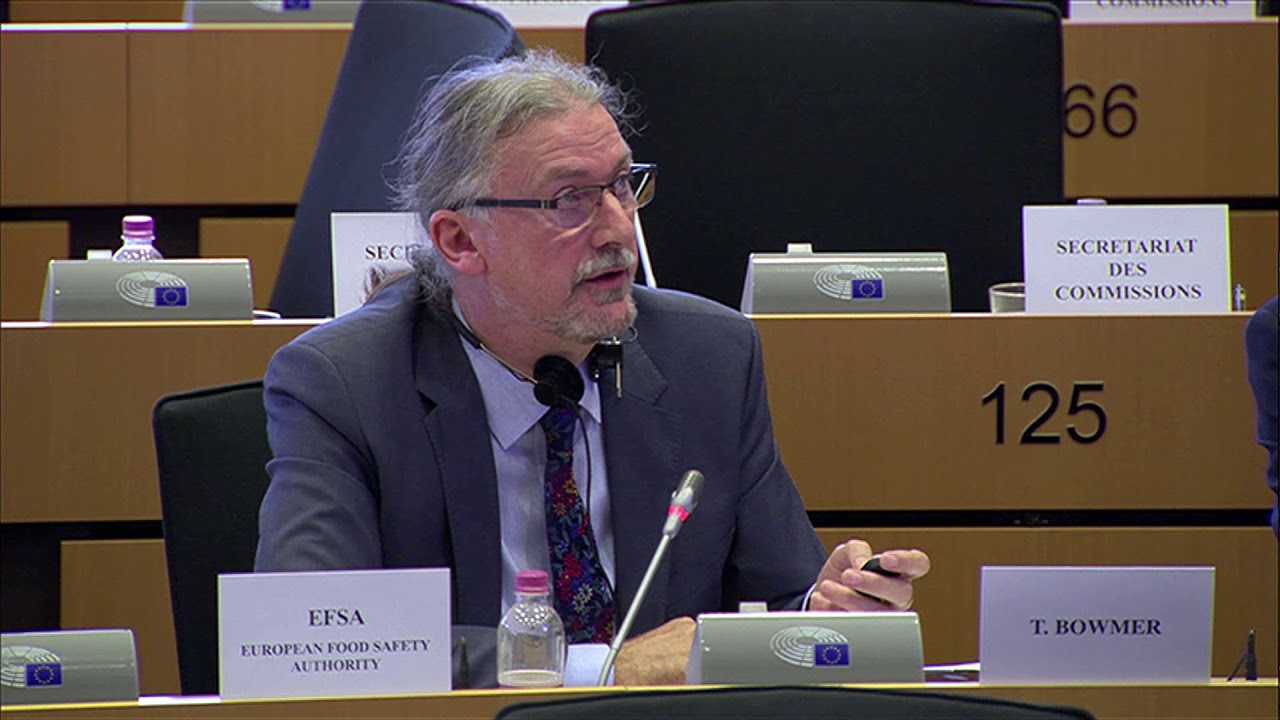
The Members of European Parliament (MEPs) asked a series of questions following presentations by Dr. Kate Guyton, International Agency for Research on Cancer (IARC); Dr. Christopher Portier and Jose Tarazona (EFSA).
In her questioning, Anja Hazekamp sought assurances from Dr. Kate Guyton that IARC did not give more credence to biased industry-sponsored research on glyphosate. In answering Hazekamp, Dr. Guyton said IARC only considers data in the public domain. While the agency does consider research in the scientific literature from industry, that research is not considered in any special category.
“With respect to publications from the industry, this was a very point of discussion for the working group that looked at glyphosate because some of the industry publications had conclusions that we could not verify based on the evidence that was provided either in the paper or in the supplemental information that was available from the journal,” Dr. Guyton said.
In another interesting exchange, Dr. Christopher Portier was asked about EFSA’s review of glyphosate:
“EFSA’s process is defined as a peer review…when you do a peer review, you are assuming that the person that gives you the document has performed due diligence on that document. They have looked at everything, and taken the time and effort to make sure that what they are giving you is the highest quality you can possibly get. Then you judge whether you think they have explained their points well enough.”
“The problem in this case is that is not how this [the EFSA glyphosate evaluation] was done. Nobody went back and verified the findings in the original studies. By failing to verify those findings, it cascaded through the entire review process such that you don’t have the answer which is based on the best science. My problem with the process is not the way it’s laid out, it is the very beginning of the process.”
For all other videos from the EU Parliament Hearing on the Monsanto Papers, please visit the Baum, Hedlund, Aristei & Goldman YouTube page.
Click here to subscribe to Baum Hedlund’s YouTube Channel
Let’s Connect!
Sentinel Indexing in Progress
Metadata and chapters are available. Claim extraction for this episode is pending.
All video content is delivered via YouTube embedded players in accordance with the YouTube Terms of Service. Sentinel provides research tools that promote discovery and accountability across political media.