Bbc Archive
@bbcarchive·780K subscribers·1.9K videos
2000: Three Dimensional Television? | Tomorrow's World | BBC Archive
Posted
March 11, 2026
Views
519,549
Likes
5,450
Comments
712
Engagement
1.19%
March 11, 2026
519,549
5,450
712
1.19%
Every word spoken in this episode is indexed. Type any phrase to jump straight to the moment it was said.
Type any word or phrase that may have been spoken. Click a result to seek the player to that exact moment.
Try a name, a topic, or a quoted line
 6:21Now Playing
"It could revolutionise the way we watch TV."
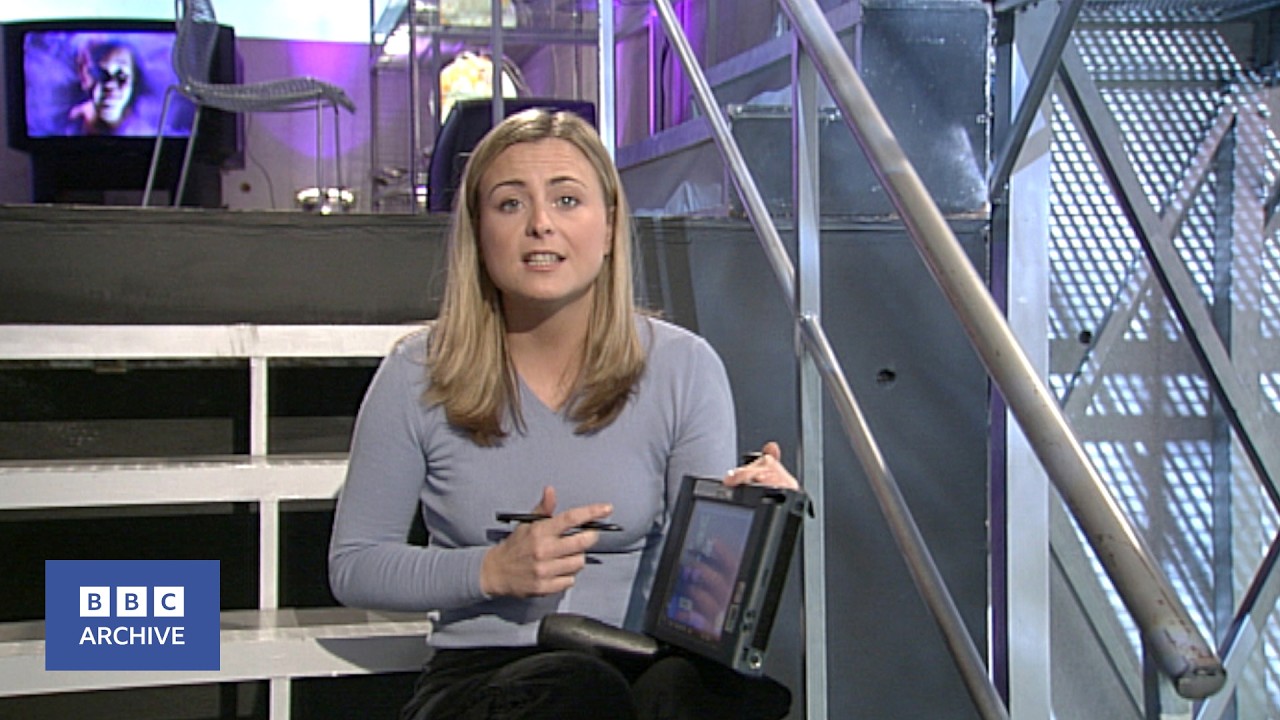
Philippa Forrester reports from the NHK Science & Technology Research Laboratories in Tokyo, where research is being carried out on 3D television. Unlike traditional 3D television, where two cameras are used simultaneously, NHK is experimenting using a single camera fitted with a special lens made up of 2500 micro-lenses. The advantage of the new system is that viewers are not required to wear glasses to see the 3D effect, though at present the resolution of the image is low.
Dr Fumio Okano, a 3D Research Director at NHK, considers the potential of the system.
Clip taken from Tomorrow's World, originally broadcast on BBC One, 19 January, 2000.
You have now entered the BBC Archive, a time machine that will transport you back to the golden age of TV to educate, entertain and enlighten you with classic clips from the BBC vaults.
Make sure you subscribe so that you never miss a single stop on our amazing journey through the BBC Archive
You can also dive into plenty more BBC Archive on our website
Sentinel Indexing in Progress
Metadata and chapters are available. Claim extraction for this episode is pending.
All video content is delivered via YouTube embedded players in accordance with the YouTube Terms of Service. Sentinel provides research tools that promote discovery and accountability across political media.