Big Think
@bigthink·8.8M subscribers·10.1K videos
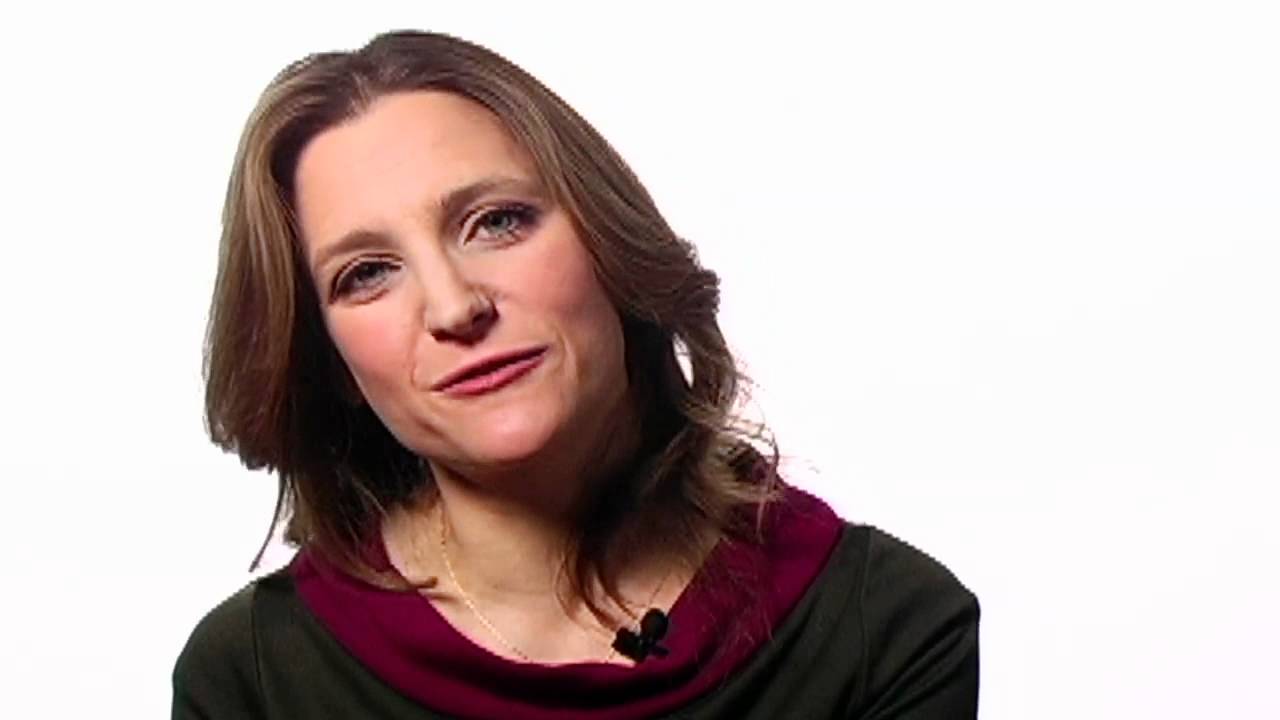
Big Think Interview with Chrystia Freeland | Big Think
Posted
April 24, 2012
Views
4,869
Likes
47
Comments
14
Engagement
1.25%
April 24, 2012
4,869
47
14
1.25%
Every word spoken in this episode is indexed. Type any phrase to jump straight to the moment it was said.
Type any word or phrase that may have been spoken. Click a result to seek the player to that exact moment.
Try a name, a topic, or a quoted line
You’re on April 24, 2012. Earlier episodes are to the left, later ones to the right — the row keeps loading as you go. Click any card to open it.
 Apr 24, 201239:31Now Playing
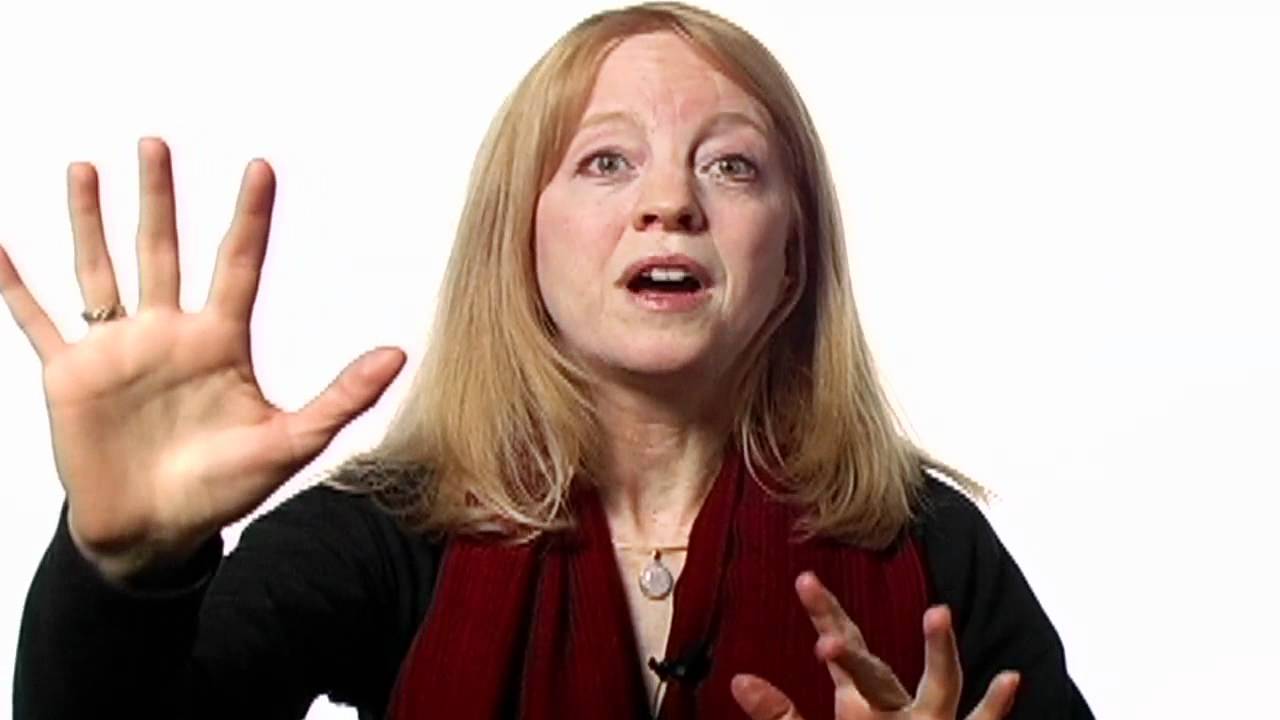
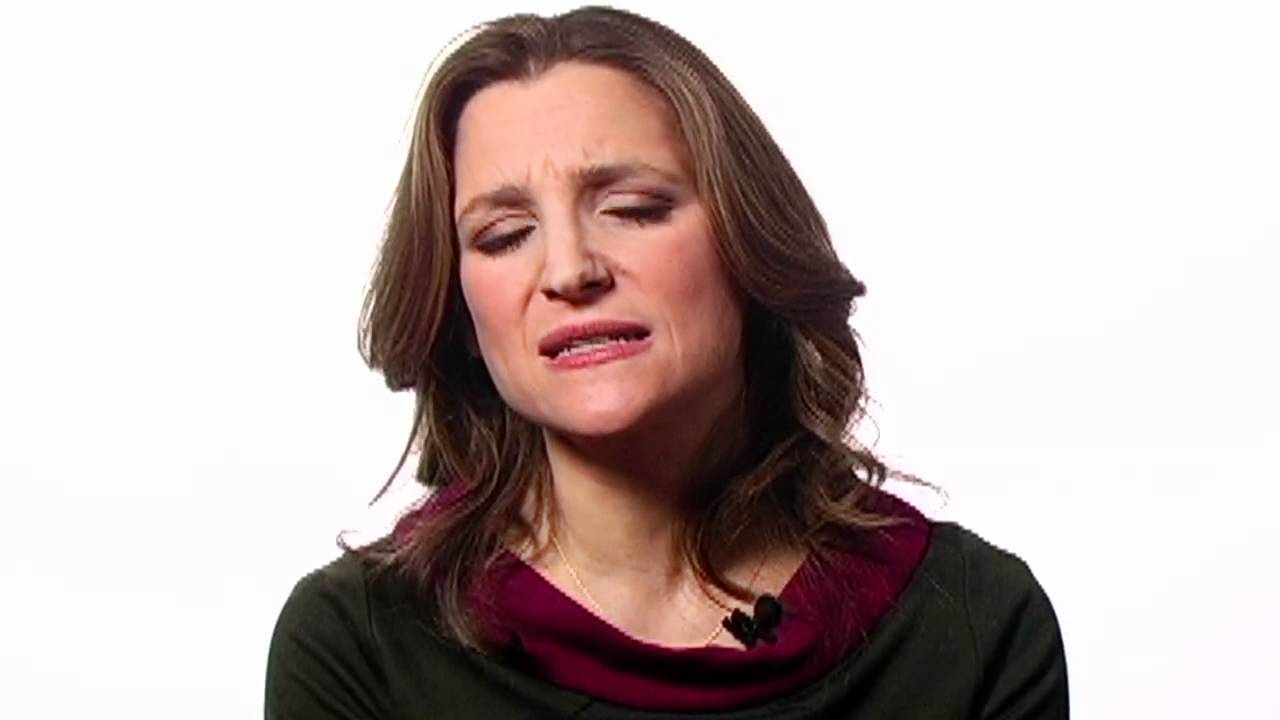
Big Think Interview with Chrystia Freeland
New videos DAILY
Join Big Think Edge for exclusive videos
----------------------------------------------------------------------------------
A conversation with the U.S. Managing Editor of the Financial Times.
----------------------------------------------------------------------------------
TRANSCRIPT:
Question: Did the FT’s news coverage help shape the way the crisis was perceived, or did the FT influence come primarily from its columns and blogs? (Felix Salmon, Reuters Finance)
Chrystia Freeland: I think the influence that the Financial Times came both through our new coverage and through our opinion pieces. They do very different jobs. Our reporting before, during, and I don't know if we want to say that now it's after the crisis, but at least in the aftermath of the most intense period of the crisis, is really about trying to fly as close to the ground as we can and trying as honestly and as intelligently as we can to tell people what is happening.
Now, that doesn't mean, and I do think sometimes with hindsight, some of us think, well maybe journalists or economists should have known the crisis was going to happen. I think that that notion comes from a very mistaken premise. I don't think the future is knowable, I don't think that anyone has a crystal ball. The best I think we can do is try to report on what is happening, what is knowable. And certainly ahead of this crisis what it was possible to report on was that asset bubbles were starting to emerge. And we did that. We wrote very early about the bubble in sub prime assets. We wrote very early about what was happening in some of the private equity deals, about some of the covenant light loans that were around. We reported quite a lot about global financial imbalances. So, we did have that reporting there and I think that was important.
As the crisis began to snowball, I think what was important, and our strengths really were being able to write about this crisis as a global phenomenon. I think it's our first truly global financial crisis and that meant that the fact that the FT I think is the most global of the big newspaper-based organizations right now, really gave us an advantage in covering it.
Our commentary, I think, was important in two ways. One was, in contrast with some other organizations in our pages, something that we very consciously do is try to have a broad church. We don't have a single editorial line and we don't have voices all speaking in the same, or all singing in the same key. I think with a crisis like this one that is particularly important because one of the things that we've seen is the consensus was often wrong. The consensus was wrong ahead of the crisis and maybe the consensus had moments of being wrong in terms of what to do to address the crisis. So, I think being open to a real diversity of points of view, a global diversity of outside voices has been a real advantage for our opinion coverage.
The other thing that I would like to really sort of single out in terms of the strength of FT's opinion coverage is Martin Wolfe who is our Chief Global Economics Commentator. And Martin was very, very prescient in terms of diagnosing global financial imbalances and the way in which they were skewing the whole global economy. In the United States, I think this crisis tends to be thought of most often, as a crisis in the sub prime market, and that certainly was, if you will, the immediate symptom which emerged, maybe the immediate trigger. I think though, if you look a little bit more deeply at the factors that play these global financial imbalances with China saving too much and the U.S. consuming too much really are one of the most important drivers of what was going on. Martin, in his comment pieces, was very, very early to be writing about that and to be hitting on that.
Question: Could business journalists have prevented the crisis if they’d asked different questions or covered different stories?
Chrystia Freeland: I absolutely do not think that even the most brilliant, insightful, thoughtful, journalism ahead of the crisis could have prevented it. I think actually, that whole question speaks to what I would say is a mistake in mindset about financial crises and about the nature of bubbles in the economy.
One of the things this crisis has reminded us of is booms and busts are endemic. Booms and busts are the way the economy works, the way economic cycles work and one thing that I think has been quite important in terms of intellectual response to this crisis is to appreciate that we are never going to totally get rid of them.
Read the full transcript at
Sentinel Indexing in Progress
Metadata and chapters are available. Claim extraction for this episode is pending.
All video content is delivered via YouTube embedded players in accordance with the YouTube Terms of Service. Sentinel provides research tools that promote discovery and accountability across political media.