Big Think
@bigthink·8.8M subscribers·10.1K videos
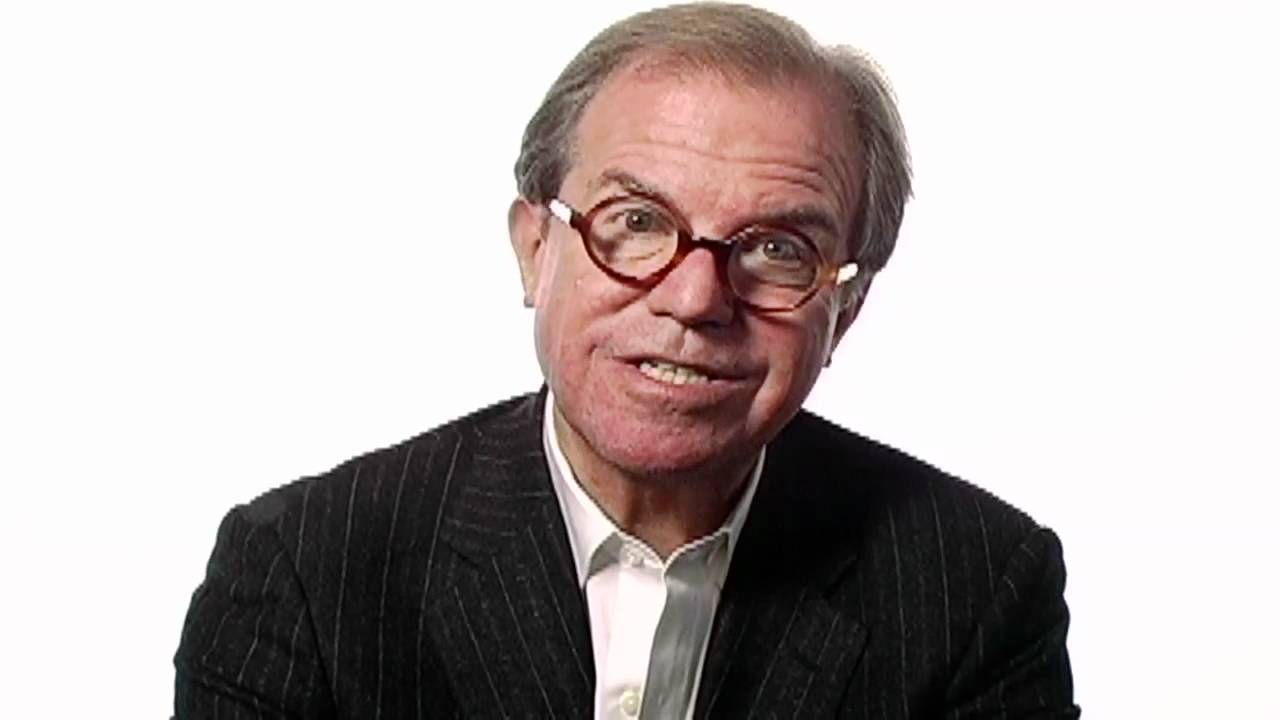
Tales From an AIG Insider | Ernest Patrikis | Big Think
Posted
April 24, 2012
Views
359
Likes
2
Comments
2
Engagement
1.11%
April 24, 2012
359
2
2
1.11%
Every word spoken in this episode is indexed. Type any phrase to jump straight to the moment it was said.
Type any word or phrase that may have been spoken. Click a result to seek the player to that exact moment.
Try a name, a topic, or a quoted line
You’re on April 24, 2012. Earlier episodes are to the left, later ones to the right — the row keeps loading as you go. Click any card to open it.
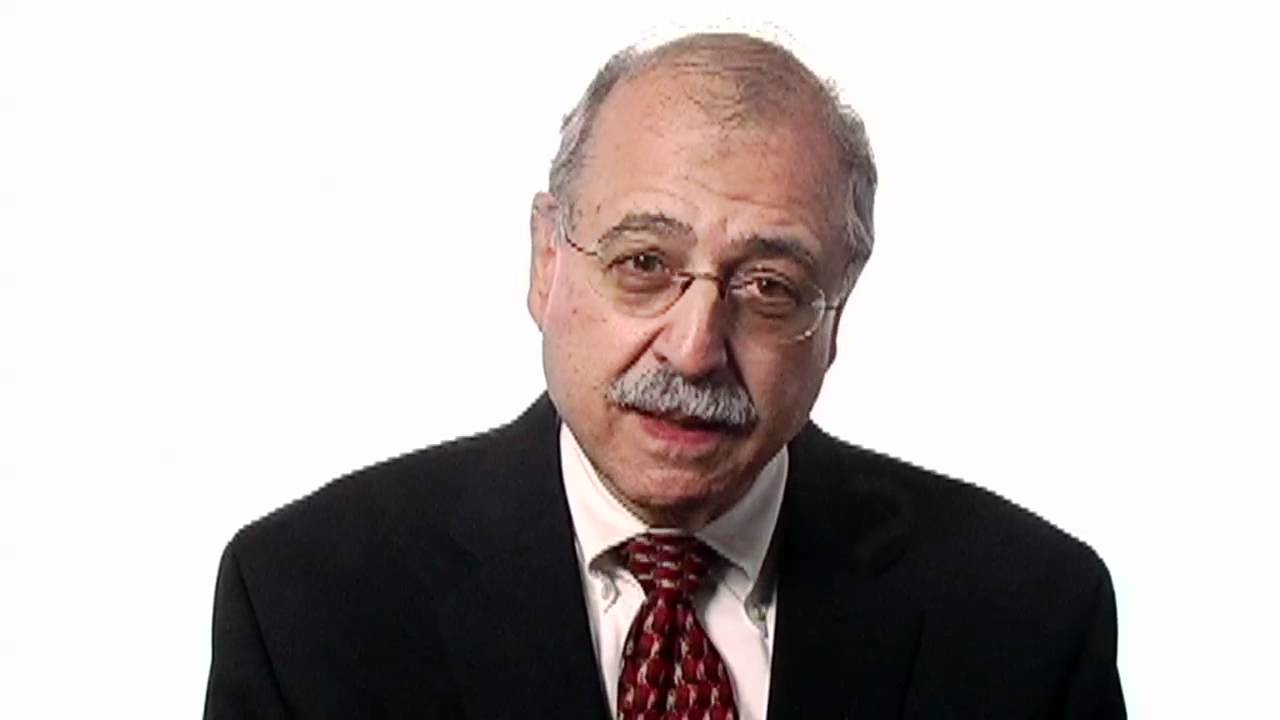 Apr 24, 20124:47Now Playing
Tales From an AIG Insider
New videos DAILY
Join Big Think Edge for exclusive videos
----------------------------------------------------------------------------------
Ernie Patrikis on the misperceptions of Hank Greenberg.
----------------------------------------------------------------------------------
Ernest Patrikis:
Ernest (Ernie) T. Patrikis is a partner White and Case. During his 30-year career at the Federal Reserve Bank of New York, Mr. Patrikis served as General Counsel for many years and later acted as Chief Operating Officer in his role as First Vice President. He also served as Deputy General Counsel and an alternate member of the Federal Open Market Committee, a staff member of the President's Working Group on Financial Markets that was created in the aftermath of the 1987 financial markets crisis, a member of the Committee on Payments and Settlement Systems of the G-10 central bank governors, legal advisor to the Basel Committee on Banking Supervision, and one of the principal drafters of the US International Banking Act of 1978. Mr. Patrikis began his eight years with AIG as Special Advisor to the Chairman in 1998 and became General Counsel and Senior Vice President in 1999. As General Counsel, he directed one of the largest corporate law departments in the world, managing all of AIG's corporate, litigation, governance, regulatory, compliance and enforcement matters.
----------------------------------------------------------------------------------
TRANSCRIPT:
Question: How did you get to be the head council at AIG?
Ernest Patrikis: When I was 55 years old, and I had been at the Fed for 30 years and decided that I was the number two officer of the New York Fed, First Vice President, that they weren’t going to make a lawyer the President of the New York Fed. I decided it was time to move on and I called various people I knew in the neighborhood and amongst those were Hank Greenberg. I went and met with Hank and he was the fastest. He said he’d give me a call in two weeks, which he did. Wages, hours, conditions of employment. And I had no idea what I was going to do and I don’t think at that time he had any idea what I was going to do.
I worked for Hank for a year and I called myself – and it was the role that I carried out mostly at AIG-- a “firefighter,” for him, where there was a problem dealing with that problem, going to the next problem, and it also gave me a chance to learn the company. It was huge, compound, complex, I got to meet people in the United States and abroad and get a feel for the company. And then I became General Council there. But working for Hank was a delight. Notwithstanding his reputation.
Question: What are some misperceptions about Hank Greenberg’s reputation?
Ernest Patrikis: Well one, he certainly is tough and resilient; all of those stories are true. There’s another side of the man about how concerned he is about employees. How much loyalty and how important loyalty was with him. Those stories about when a head auditor in Asia had a heart attack in Thailand, Hank stayed up all night on the phone with doctors from New York Hospital and with doctors in Thailand.
The Star Foundation – and I don’t know if he started this or carried it out, he may have started it. Every employee for AIG and agents of AIG in the United States and abroad, and these were agents who were – as in Asia, they only sold AIG products, got a scholarship if their child went to an English language college. The scholarship amount was something like $10,000 or $11,000 and there had to be financial need. If there was no financial need because the parent was making a large enough salary at AIG.
So, when one looked at the Star Foundation’s annual IRS report, name of individual after individual after individual and I really learned the scope of it one day when I was in a private dining room waiting for a guest and this gentleman waiter, who was obviously from mainland China. I asked him what he was going to be doing Labor Day. And he said he was driving to Cambridge. And I said, “Why are you driving to Cambridge?” He said he was taking his daughter, first generation American-born, to MIT, and called it Star Scholar. So, for people like him, this individual, this was rather significant.
And that is really something that he really kept up with. Of course the amounts of money that he gave and the foundations he gave to health and medical, you see that at New York Hospital. But most of all, he truly cared about employee loyalty. Loyalty was extremely important to him. And I think that came out of, perhaps, his Army experience.
Read the full transcript at
Sentinel Indexing in Progress
Metadata and chapters are available. Claim extraction for this episode is pending.
All video content is delivered via YouTube embedded players in accordance with the YouTube Terms of Service. Sentinel provides research tools that promote discovery and accountability across political media.