Big Think
@bigthink·8.8M subscribers·10.1K videos
Millennials: They Know What They Don't Want | Nancy Koehn | Big Think
Posted
April 24, 2012
Views
968
Likes
9
Comments
1
Engagement
1.03%
April 24, 2012
968
9
1
1.03%
Every word spoken in this episode is indexed. Type any phrase to jump straight to the moment it was said.
Type any word or phrase that may have been spoken. Click a result to seek the player to that exact moment.
Try a name, a topic, or a quoted line
You’re on April 24, 2012. Earlier episodes are to the left, later ones to the right — the row keeps loading as you go. Click any card to open it.
 Apr 24, 20127:29Now Playing
Millennials: They Know What They Don't Want
New videos DAILY
Join Big Think Edge for exclusive videos
----------------------------------------------------------------------------------
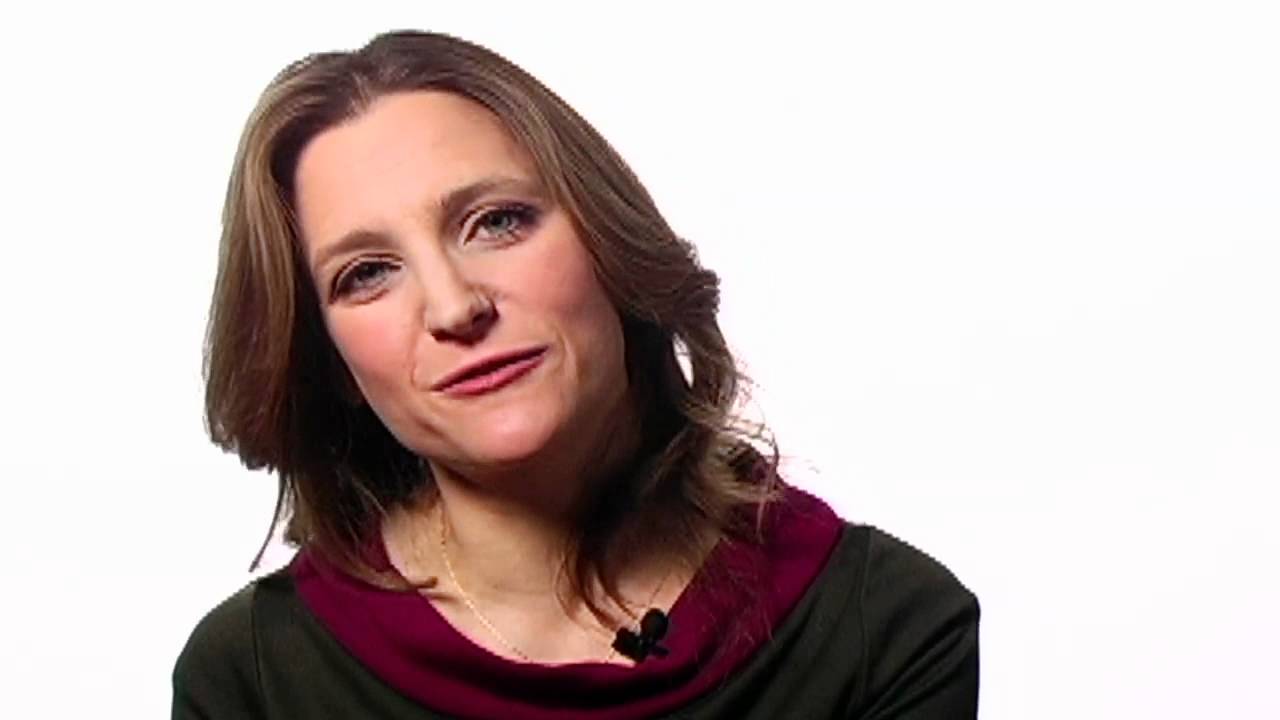
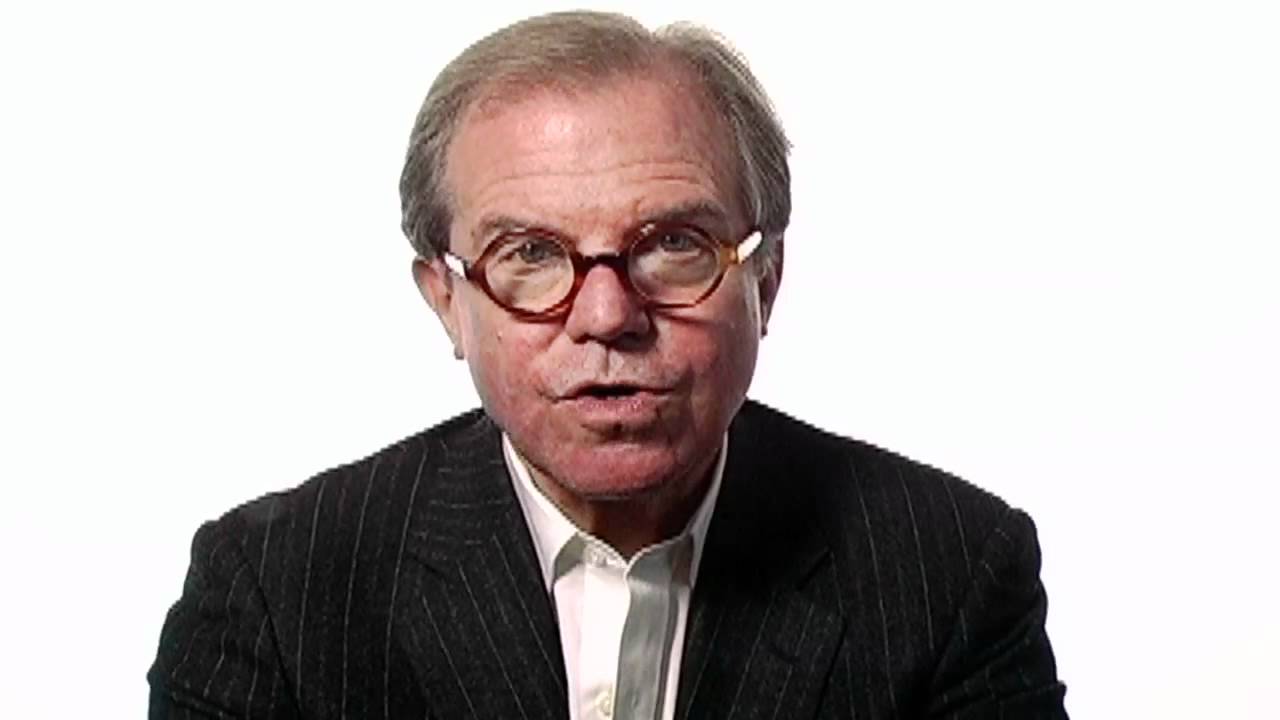
Nancy Koehn, historian at Harvard Business School, thinks it’s a generation that, before this recession, had not experienced failure.
----------------------------------------------------------------------------------
Nancy Koehn:
Nancy Koehn is a historian at the Harvard Business School where she holds the James E. Robison chair of Business Administration. Koehn's research focuses on how leaders, past and present, craft lives of purpose, worth, and impact.
Her new book, Forged in Crisis: The Power of Courageous Leadership in Turbulent Times is an enthralling historical narrative filled with critical leadership insights that will be of interest to a wide range of readers—including those in government, business, education, and the arts—Forged in Crisis spotlights five masters of crisis: polar explorer Ernest Shackleton; President Abraham Lincoln; legendary abolitionist Frederick Douglass; Nazi-resisting clergyman Dietrich Bonhoeffer; and environmental crusader Rachel Carson.
Koehn is the author of numerous books, articles, and Harvard Business School cases. She writes frequently for the New York Times, the Washington Post, and the Harvard Business Review Online. She is also a weekly commentator on National Public Radio and has appeared on many national television programs. She has spoken at the World Economic Forum in Davos, the Aspen Ideas Festival, and in many other venues.
A Phi Beta Kappa graduate of Stanford University, Koehn earned a Master of Public Policy from Harvard's Kennedy School of Government before taking her MA and PhD in History from Harvard. She lives outside Boston and is a dedicated equestrian.
----------------------------------------------------------------------------------
TRANSCRIPT:
Question: What business and life lessons have you learned from your students at Harvard Business School? Nancy Koehn: One of the fascinating things about the generation of students that’s been coming through the doors of Harvard Business School for the last 10 years is how pragmatic they are and how clearly they understand the way my generation didn’t understand that they’re going to work for most likely a lot of different companies. They’re going to write a career novel chapter by chapter, but the chapters aren’t necessarily going to be written in one company and in kind of a vertical way at all. It’s going to be much more horizontal and across companies, across industries and that one of the most important criteria in writing that novel and choosing those chapters and navigating through them will be what do I think makes me feel like I am fulfilling my purpose. These students have an astounding sense of their own purpose and this great kind of well or hot spring if you will, of idealism that nourishes, that gushes underneath that sense of purpose and you know there is a real element of sort of organizational and financial ambition, “I want to do this and this and this in regard to my own reputation and my own net worth.” But that is very much just a patch. There are a number of other kinds of patches on the quilt of each of these people and there is a huge piece of what is my role as a global citizen. What is my role as a consumer? What is my role as an employer? What is my role in terms of the time I spend? What is my role in terms of who I sign up with as an employer to give them my very precious, very scarce energy and time? And there is good evidence this is not just Americans. It has global kind of aspects to it. It’s fascinating how what a huge and deep sense they have of the power and importance of their own contribution and some of that I think is a generation raised in incredible prosperity. Some of that is a generation raised by boomer parents who were endlessly fascinated by themselves and their children and their reflection of their children that way, but it’s an incredible force for good, that credence they put in their own worth and their own energy is important. So they have a real sense of: how do I make a social contribution? How do I use my energy wisely? And this relates directly to how they define success. How do I do that in a way that I don’t make the mistakes that a couple of generations have made ahead of me? Now every generation vows that it will not be like the generation directly ahead of it, but Millennials to me and my Harvard Business School students have a highly developed sense of what they do not want to be.
Read the full transcript at
Sentinel Indexing in Progress
Metadata and chapters are available. Claim extraction for this episode is pending.
All video content is delivered via YouTube embedded players in accordance with the YouTube Terms of Service. Sentinel provides research tools that promote discovery and accountability across political media.