Big Think
@bigthink·8.8M subscribers·10.1K videos
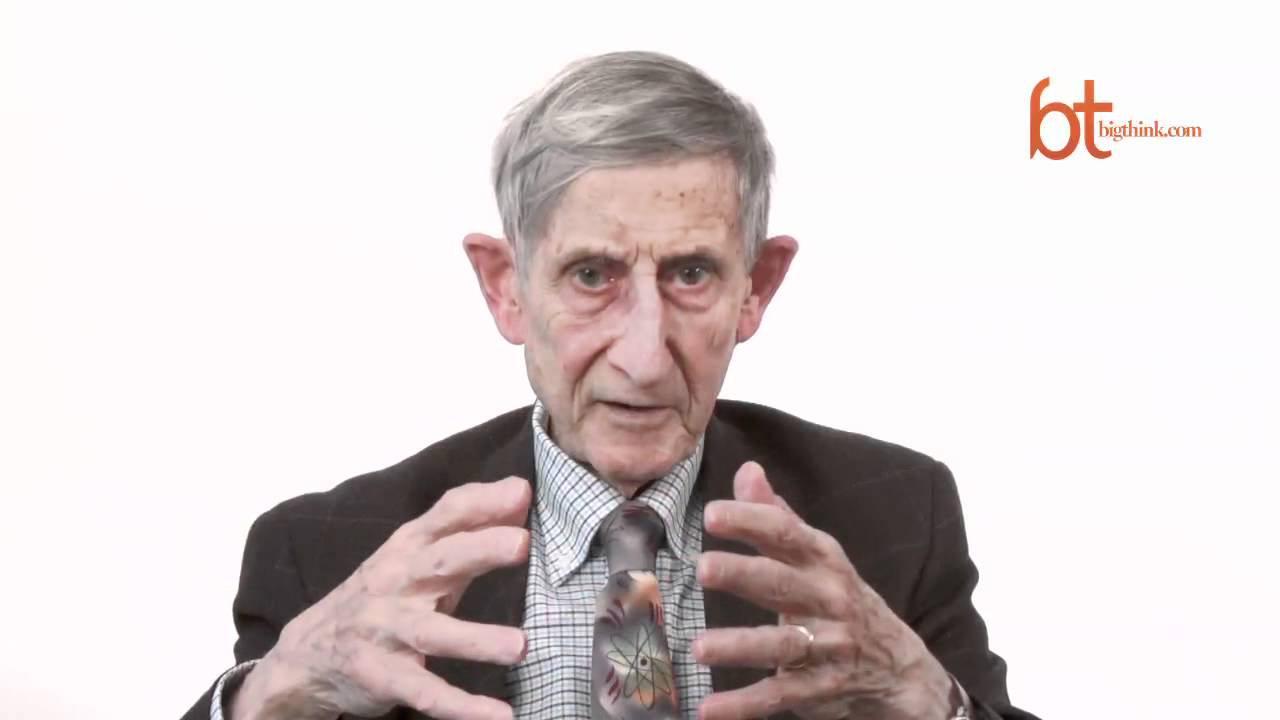
Big Think Interview With Michael Schrage | Big Think
Posted
April 24, 2012
Views
1,664
Likes
10
Comments
1
Engagement
0.66%
April 24, 2012
1,664
10
1
0.66%
Every word spoken in this episode is indexed. Type any phrase to jump straight to the moment it was said.
Type any word or phrase that may have been spoken. Click a result to seek the player to that exact moment.
Try a name, a topic, or a quoted line
 25:42Now Playing
Big Think Interview With Michael Schrage
New videos DAILY
Join Big Think Edge for exclusive videos
----------------------------------------------------------------------------------
Michael Schrage:
Michael Schrage examines the various roles of models, prototypes, and simulations as collaborative media for innovation risk management. He has served as an advisor on innovation issues and investments to major firms, including Mars, Procter & Gamble, Google, Intel, BT, Siemens, NASDAQ, IBM, and Alcoa. In addition, Schrage has advised segments of the national security community on cyber conflict and cybersecurity issues. He has presented workshops on design experimentation and innovation risk for businesses, organizations, and executive education programs worldwide. Along with running summer workshops on future technologies for the Pentagon's Office of Net Assessment, he has served on the technical advisory committee of MIT's Lincoln Laboratory. In collaboration with the Center for Strategic and International Studies (CSIS), Schrage helped launch a series of workshops sponsored by the Department of Defense on federal complex systems procurement. In 2007, he served as a judge for the Industrial Designers Society of America's global International Design Excellence Awards.
----------------------------------------------------------------------------------
TRANSCRIPT:
Question:rnWhat is the major problem right now in transportation?
Michael Schrage: The major problem with transportation technology andrntransportation policy is that you have a battle between utopians who believernthat they can get whatever they want, faster, better, cheaper, and thernpragmatist, the hard ball economic types who say, "No, no, no, let's banrnthe car from the city, let's create calming zones, zero-emission vehicles,"rnetc., etc. You have a realrndialectic, a real tension, and my view is, when you have that kind ofrnschizophrenia, when you have that kind of chasm, not just of technologies andrnexpectations, but of values, I think you get into a lot of gridlock--punrnintended.
Question: Are there any promising advancements that will take us intornthat next era of transportation?
MichaelrnSchrage: Oh, my gosh! There's so many things going on that are so exciting thatrnit's not clear to me what's the best bet. rnWe have smart vehicles, smart devices, smarter people, better sensors,rnmore information, the ability to have the technology act in a more nimblernway. We have the ability to playrnwith tax policy and congestion charges. rnSo to me, the question is going to be, there's a tension betweenrndisruptive innovation and rapid iderative incremental innovation. But if you have enough incrementalrninnovation in a short period of time, you got a revolution. You know, the simple model for that isrnlike a Mapquest, or putting an accelerometer in an iPhone. The fact of the matter is, betweenrnmobile phones, between iPhones, between Rim's, between GPS, every car in thernworld, every bicycle in the world, can be made smarter. Heck, we can make every street corner,rnevery streetlamp smarter, more nimble, more agile. The issue is, what's the organizing principal underlyingrnthat? Haven't a clue.
Question:rnDo you think we need to build on what we have, or revolutionize mobility?
Michael Schrage: Being anrnMIT person, I'm very, very sympathetic to that view of, gee, let's just startrnfrom scratch, let's reinvent everything. rnBut basically, I think it's a bunch of crap. You know, that's basically like saying, gee, we've sequencedrnthe human genome, let's reengineer human beings so they'll make less, they'llrntake up less space, they'll do less waste, they'll be more energyrnefficient. As I said earlier,rnthere's always going to be a tension between the incremental and thernrevolutionary. Folks at MIT tendrnto self-select towards the revolutionary side, but ordinary human beings,rntypical human beings, human beings who have, shall we say, real lives, not MITrnlives, are more prepared to have a mix of the disruptive innovation and thernincremental innovation. And that'srnhow I think that's going to play out, particularly in transportationrnpolicy. I don't believe people arerngoing to give up on the wheels of a car for the foreseeable future.
Question:rnIs there something we’ll have to give up in order to get there?
Read the full transcript at
Sentinel Indexing in Progress
Metadata and chapters are available. Claim extraction for this episode is pending.
All video content is delivered via YouTube embedded players in accordance with the YouTube Terms of Service. Sentinel provides research tools that promote discovery and accountability across political media.