Big Think
@bigthink·8.8M subscribers·10.1K videos
How to Become a Respectable Comedian | Dick Cavett | Big Think
Posted
April 24, 2012
Views
526
Likes
3
Engagement
0.57%
April 24, 2012
526
3
0.57%
Every word spoken in this episode is indexed. Type any phrase to jump straight to the moment it was said.
Type any word or phrase that may have been spoken. Click a result to seek the player to that exact moment.
Try a name, a topic, or a quoted line
You’re on April 24, 2012. Earlier episodes are to the left, later ones to the right — the row keeps loading as you go. Click any card to open it.
 Apr 24, 20126:42Now Playing
How to Become a Respectable Comedian
New videos DAILY
Join Big Think Edge for exclusive videos
----------------------------------------------------------------------------------
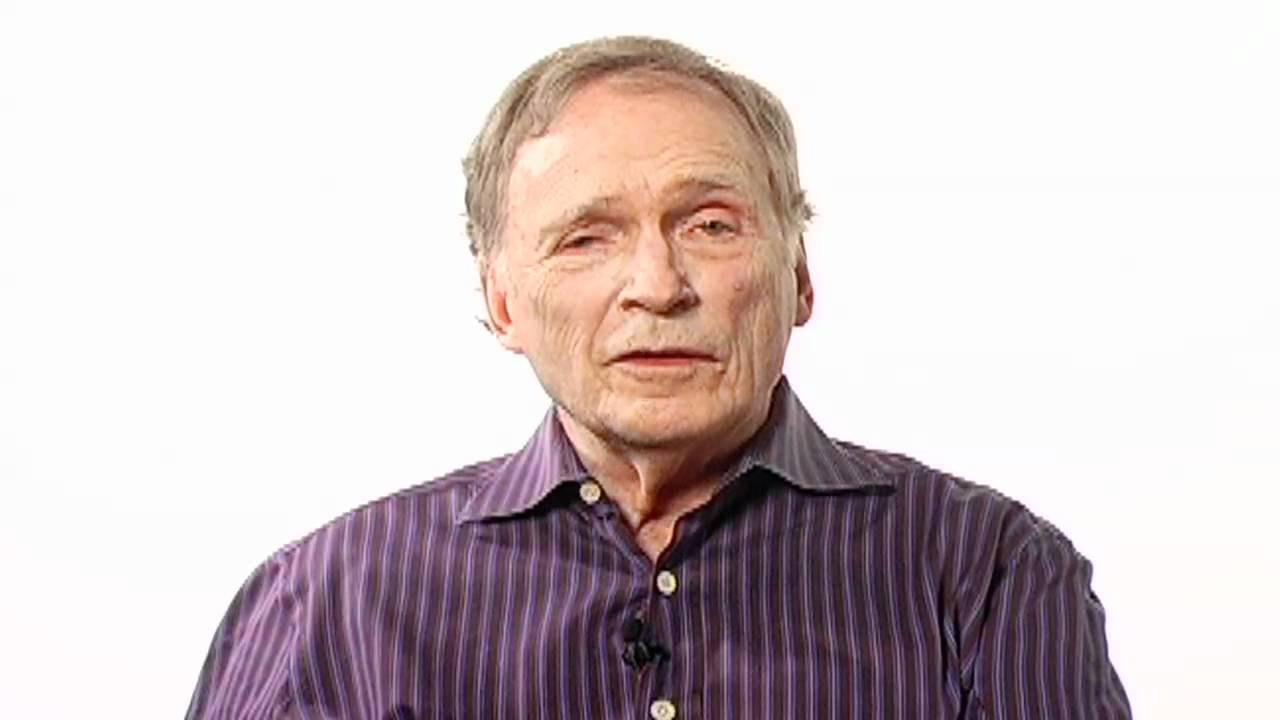
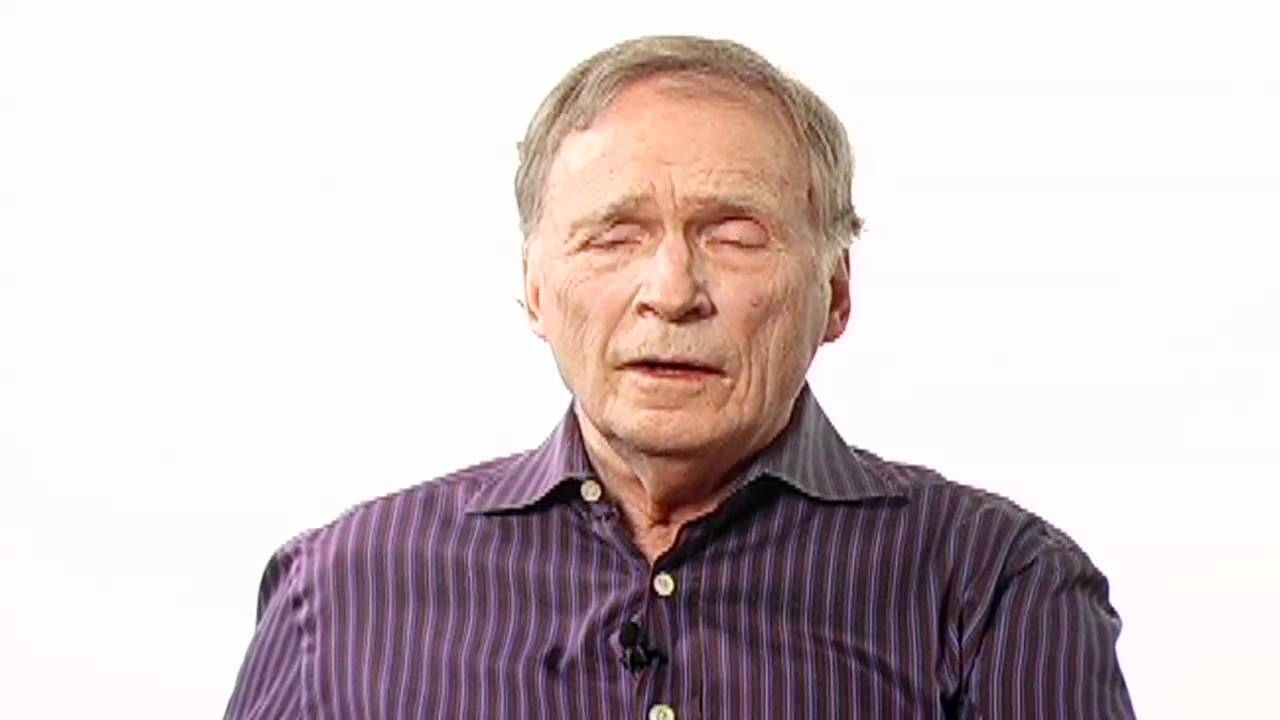
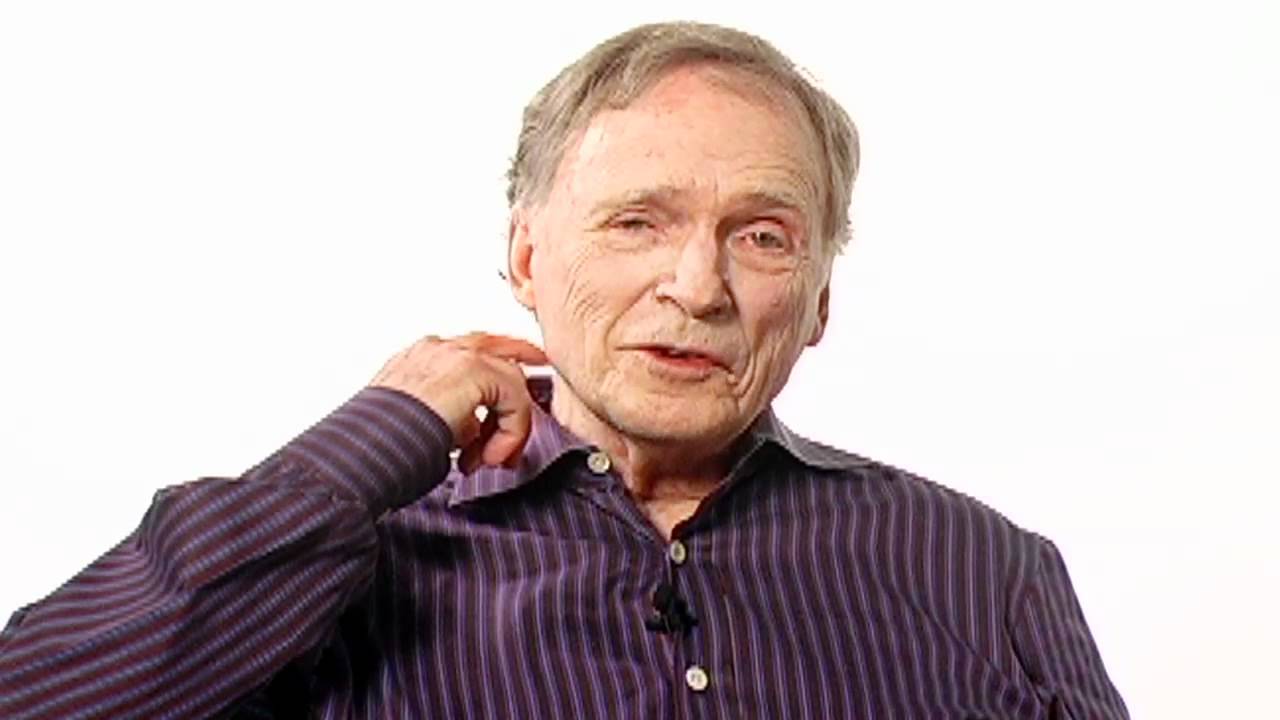
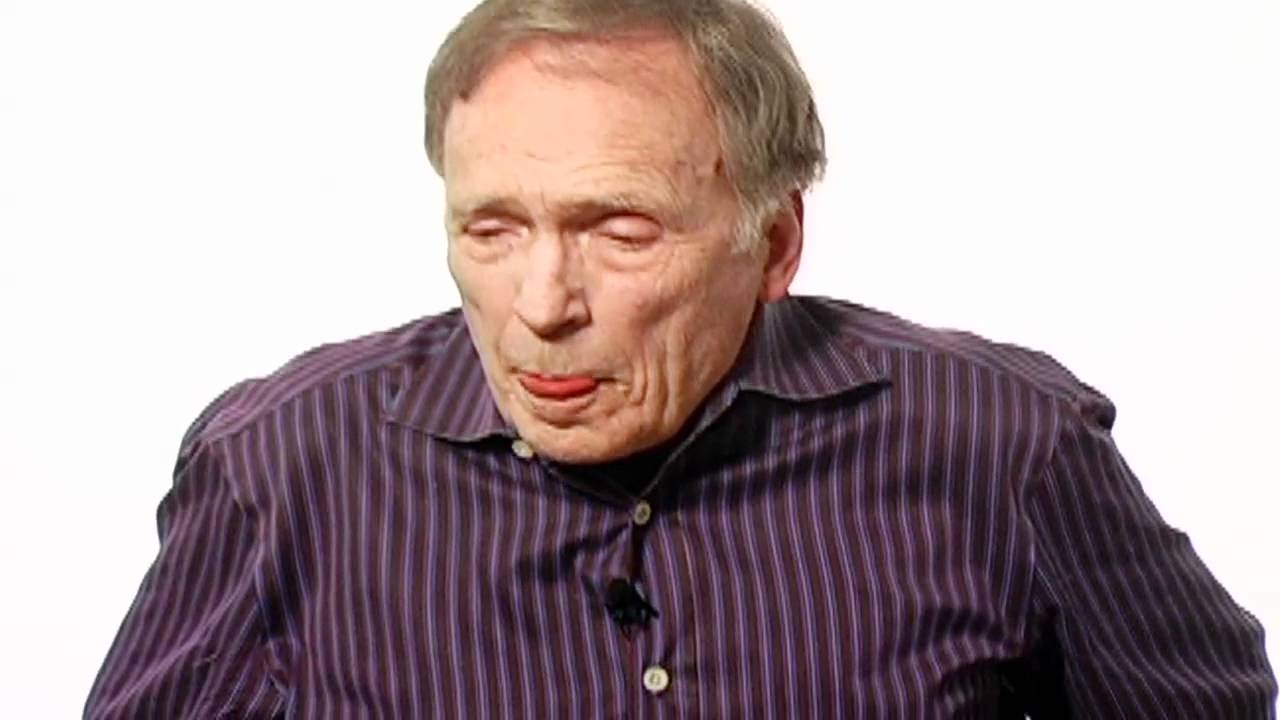
Like many of the greats, Dick Cavett is not entirely sure just how he made it in the comedy business, but he does believe there are certain innate qualities that can help you succeed without pandering to the masses.
----------------------------------------------------------------------------------
Dick Cavett:
Dick Cavett was the host of “The Dick Cavett Show” and the co-author of two books, “Cavett” (1974) and “Eye on Cavett” (1983). He has appeared on Broadway in “Otherwise Engaged,” “Into the Woods” and as narrator in “The Rocky Horror Show,” and has made guest appearances in movies and on TV shows including “Forrest Gump” and “The Simpsons.” He currently operates a blog for the “Opinionator” section of the New York Times. Mr. Cavett lives in New York City and Montauk, N.Y.
----------------------------------------------------------------------------------
TRANSCRIPT:
Question: How did you get into the talk show business?
Dick Cavett: Who me? You know, I've never been entirely sure, except I wrote for them, Johnny and Jack and Merv and others, and my highest ambition was to be a guest. That maybe I get to the point where I could be the one they, "Now, here's our friend, Dick Cavett, who's been on before," but ABC had a pilot of five half-hours called “The Star” and “The Story,” and they got Van Johnson and told part of his life each of these five episodes and submitted this as a pilot, and they hated the show, but they liked the young man who hosted it, that was myself. And so they thought, let's try him in a daytime talk format, and they did. And that became a nighttime talk show format, Rob. And that's why I say, "When you're smiling!" There's a stand up comic on your staff and knows that many crap comics who have no opening or closing for their acts come out singing, When You're Smiling. And then they end with, "She's so bowlegged, when she sits around the house, she sits around the house. And that's why I say, When You're Smiling," and gets off. Sorry, you didn't need that, did you?
Question: How were you able to balance intelligence with comedy?
Dick Cavett: Well, I had to fight the intellectual label when I started in television, because, first of all, it's not going to help you commercially, and also, it wasn't particularly true of me. I mean, if anybody thought I was an intellectual, they probably had never really seen one. Maybe because I didn't know any better than to think you were supposed to read the guest's books before you had them on. And I remember plowing through 400-page books to have a guest on for 15 minutes or less and somebody pointed out, "You know, you didn't use all that homework and you don't need it." I'm intelligent, but I'm not an intellectual, and I may have, because I was in the Ivy League, I might have had a better liberal arts education than a lot of people, but I don't think of myself as extraordinary intelligent or intellectual, just reasonably so.
Question: How did you deliver jokes that do not come off as mechanical?
Dick Cavett: Deliver jokes so they're not mechanical, if you deliver them so they're mechanical, you're in the wrong business, you're born with what it is to make a comic and if you don't have a good ear and you don't have an instinctual way to say the line, and I mean an instinctive way to say the line, I guess, an intellectual would have gotten the word right--I don't know. Nobody can learn it, there have been shisters who have, and con-artists who have had comedy schools where they teach you how to delivery a punch line, that's preying on the un-talented and taking their money. If you're good, you'll do it right and you'll make it.
Question: Is it easier to write jokes for yourself or others?
Dick Cavett: It's horrible to try to write jokes for yourself, unless you're just writing jokes. But if you're trying to--I thought it would be easy because I wrote for people, and thought, "Why don't I just write for myself?" And then you're faced with, who am I? On stage as a comic. I'm not the guy with the enormous comedy nose or the big feet or the bad posture or the whatever, a physical comic has certain things. Durante's nose, Durante had a lot more than a nose, he had a fabulous personality that came right out and got you in the audience. You'll have to put an asterisk for your younger viewers as to who Durante was, I don't have time to tell them.
The whole thing is inborn, really. Those who are destined to make it were born with it, and probably will, unless they have bad breaks or alcoholism or nervous breakdowns from the pressures of being in show business.
Read the full transcript at
Sentinel Indexing in Progress
Metadata and chapters are available. Claim extraction for this episode is pending.
All video content is delivered via YouTube embedded players in accordance with the YouTube Terms of Service. Sentinel provides research tools that promote discovery and accountability across political media.