Big Think
@bigthink·8.8M subscribers·10.1K videos
Does Che Guevara Still Matter? | Jorge Castañeda | Big Think
Posted
April 24, 2012
Views
3,968
Likes
25
Comments
28
Engagement
1.34%
April 24, 2012
3,968
25
28
1.34%
Every word spoken in this episode is indexed. Type any phrase to jump straight to the moment it was said.
Type any word or phrase that may have been spoken. Click a result to seek the player to that exact moment.
Try a name, a topic, or a quoted line
You’re on April 24, 2012. Earlier episodes are to the left, later ones to the right — the row keeps loading as you go. Click any card to open it.
 Apr 24, 20124:43Now Playing
Does Che Guevara Still Matter?
New videos DAILY
Join Big Think Edge for exclusive videos
----------------------------------------------------------------------------------
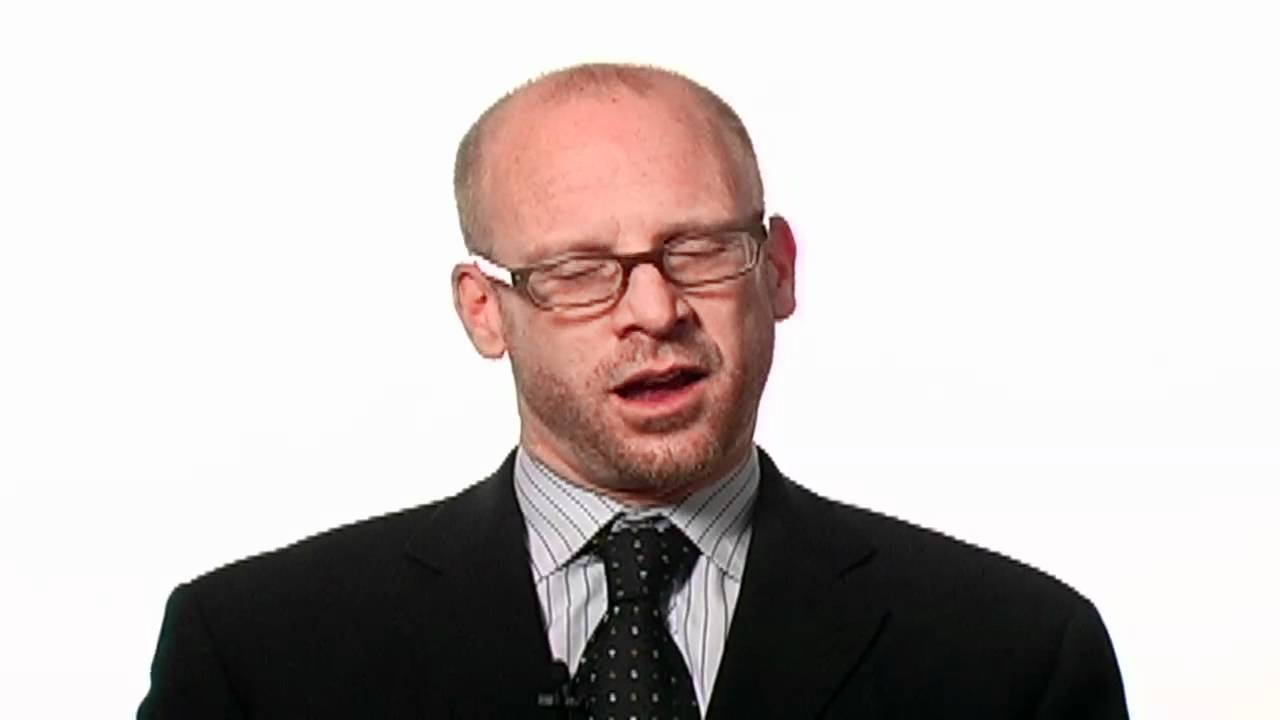
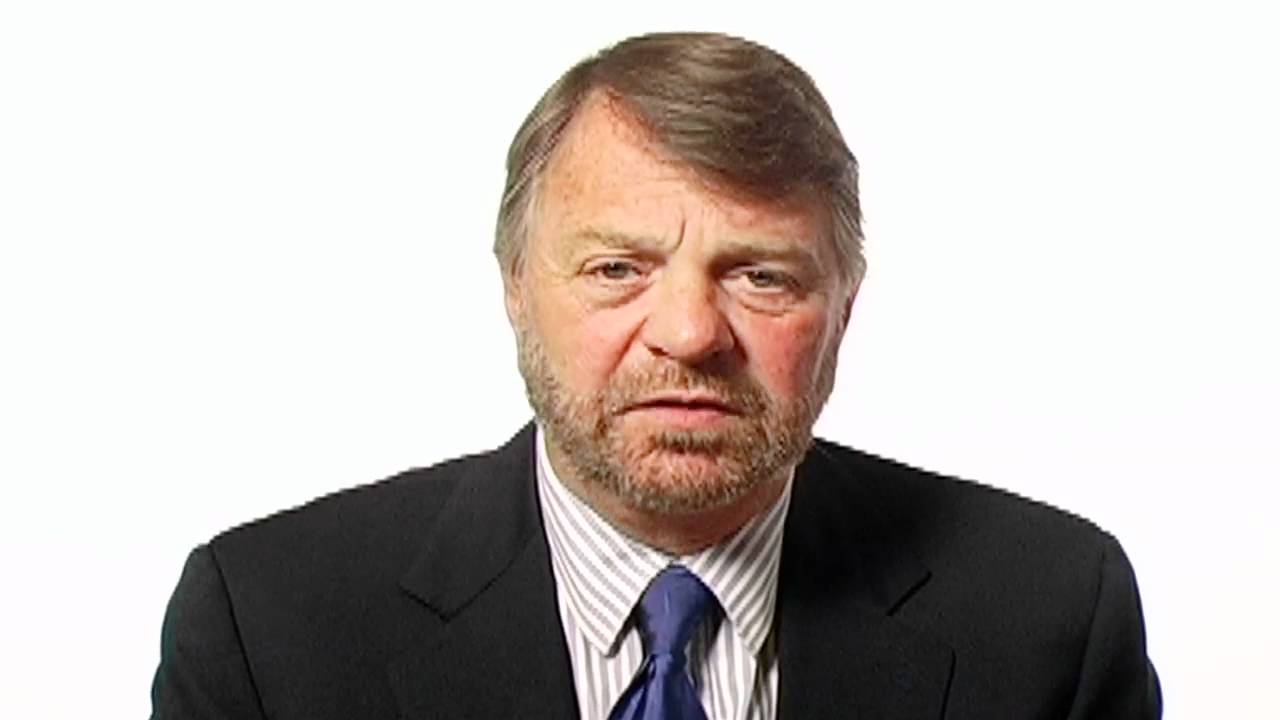
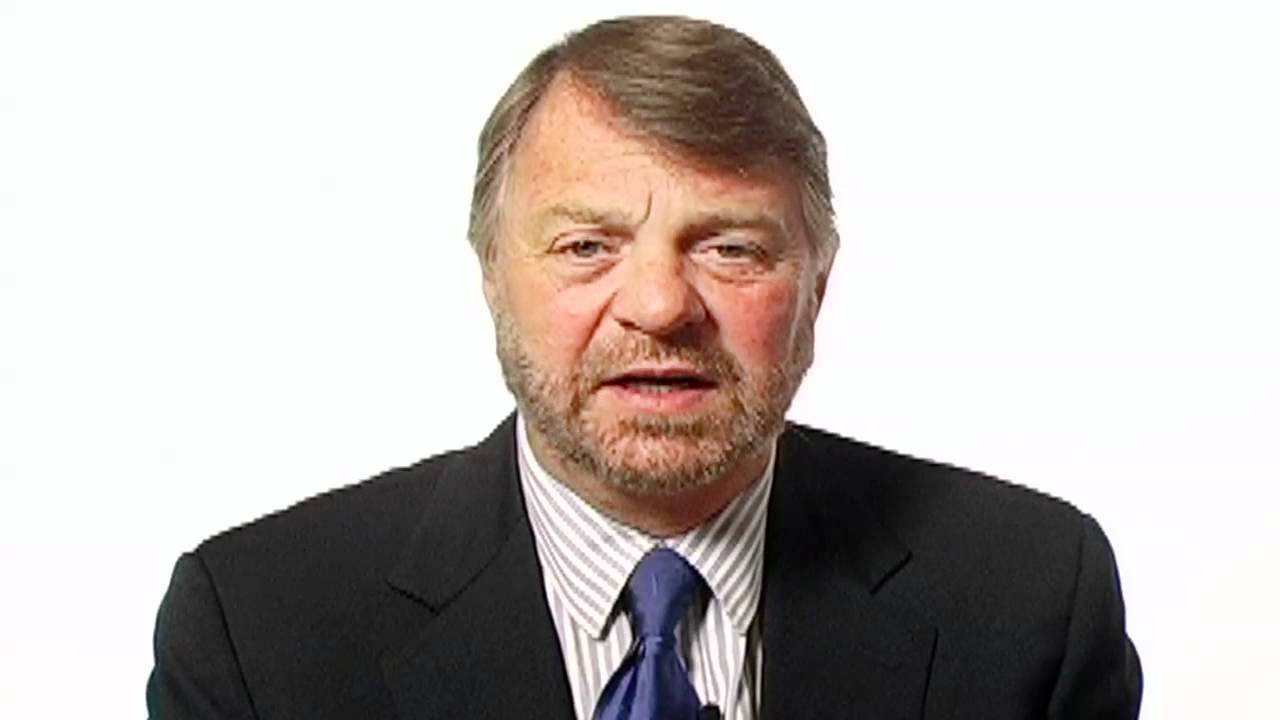
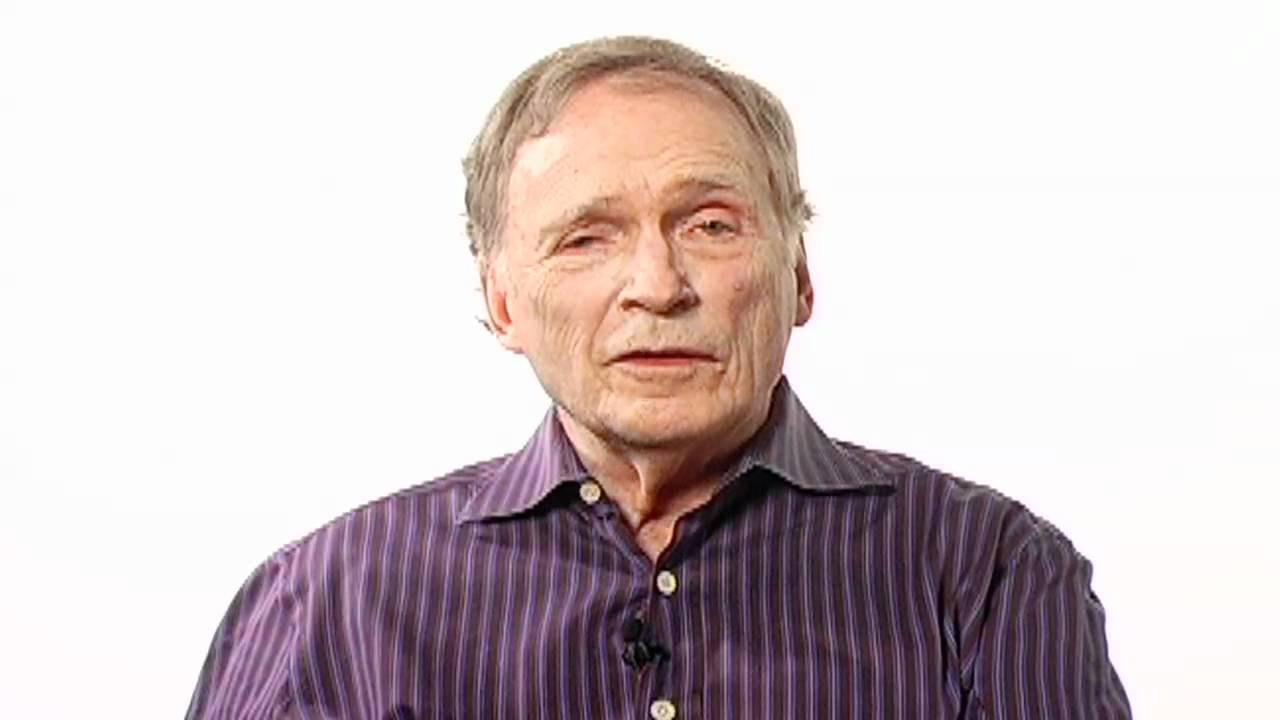
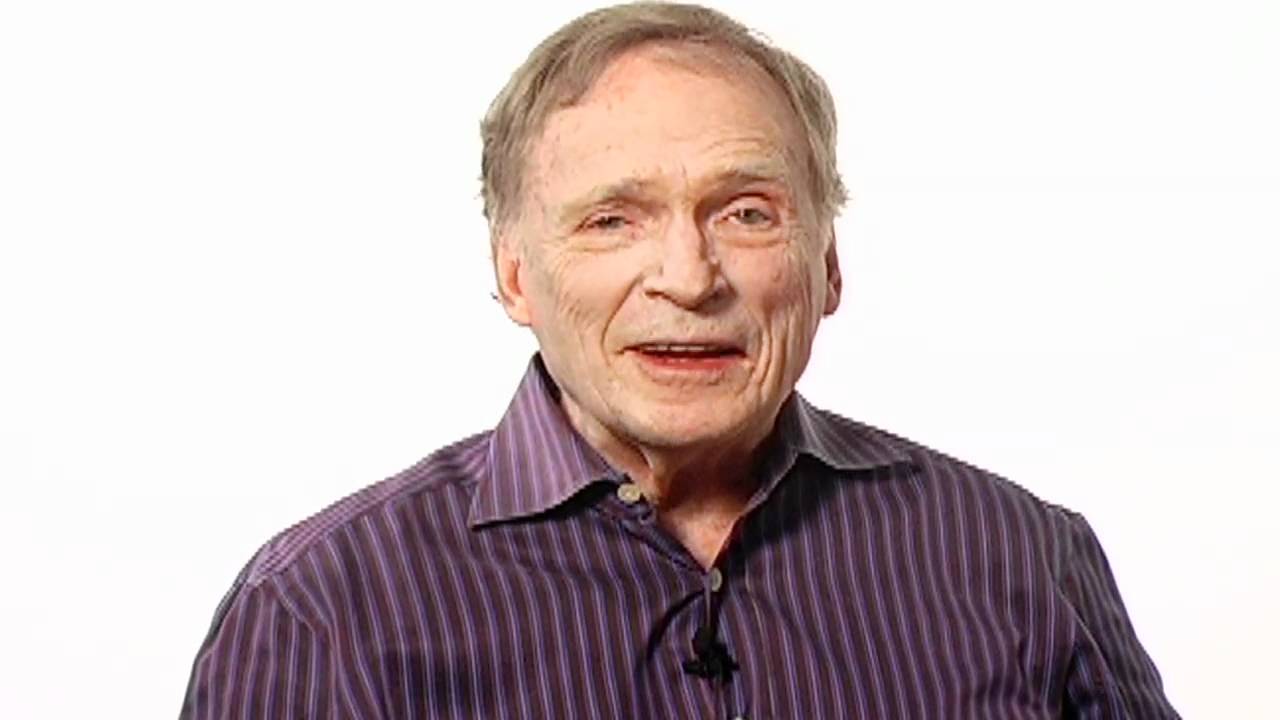
The author of “Compañero: The Life and Death of Che Guevara” discusses the legacy of the famous revolutionary, and why it’s one he never would have wanted.
----------------------------------------------------------------------------------
Jorge Castañeda:
Jorge Castañeda is Global Distinguished Professor of Politics and Latin American and Caribbean Studies at New York University. A renowned public intellectual, political scientist, and prolific writer, with an interest in Latin American politics, comparative politics and U.S.-Latin American relations, he is the former Foreign Minister of Mexico (2000-2003), and in that position he focused on diverse issues in U.S.-Mexican relations, including migration, trade, security, and narcotics control; joint diplomatic initiatives on the part of Latin American nations; and the promotion of Mexican economic and trade relations globally.
Born in Mexico City in 1953, Dr. Castañeda received undergraduate degrees from both Princeton University and Universite de Paris-I (Pantheon-Sorbonne), an M.A. from Ecole Pratique de Hautes Etudes, Paris I, and his Ph.D. in the History of Economics from the University of Paris. He was a Senior Associate at the Carnegie Endowment for International Peace (1985-87) and a John D. and Catherine T. MacArthur Foundation Research and Writing Grant Recipient (1989-1991). Among his many books are "Utopia Unarmed: The Latin American Left after the Cold War" (1993), "The Mexican Shock" (1995), "Compañero: The Life and Death of Che Guevara" (1997), and "Perpetuating Power: How Mexican Presidents Were Chosen" (2000). Dr. Castañeda is a regular columnist for the Mexican daily Reforma, The Los Angeles Times, and Newsweek International.
----------------------------------------------------------------------------------
TRANSCRIPT:
Question: What is Che Guevara’s continuing relevance as a thinker or symbol?
Jorge Castañeda: Well, as a thinker I don’t think he is relevant and I think he ceased being relevant in the early 60’s. And Fidel Castro also thought so which is why he invited him kindly to depart and go do his stuff elsewhere. I think he was an extraordinarily charismatic, attractive, seductive, courageous human being, but I think he had very little to say or to add to what we know about social change or economic change or modernization in Latin America or elsewhere.
As for symbolically, I think he’s immensely important because he has come, that’s the point I try and make in my book, he has come or he came to represent the societal change, the cultural change that took place in the 1960’s. This is not what he was fighting for, by the way. He was fighting for a traditional, Stalinist, communist, hard line, Marxist, Leninist revolution. He didn’t care about young people’s rights or women’s rights or sexual preferences or drugs or any of those other things. If anything, he probably would have been against them. But, he became the symbol of the revolution of societal mores of the 1960’s everywhere in the world and we are all the better for that revolution, that one having taken place. That is what led to having now a majority of women working in the workplace, not just at home. Today, everywhere. Or the majority of young people going to college in the richer countries and having possibility of choosing their lifestyles, their sexual preferences, the way they dress, they way they eat, the way they listen to music, etc. The ‘60s were an extraordinary upheaval. A peaceful revolution that really changed the way people live all over the world, and Che Guevara became the symbol of that unwillingly. This is not what he was up to. But, you never know who you work for.
Question: How did the meaning of Che’s life become abstracted from the facts of his life?
Jorge Castañeda: Well, in a sense he was, of course, unlucky because he died, but he was very lucky because he died at the right time, the right place, the right way and you don’t often have people who are able to do that in such an extraordinary fashion. He died just before 1968. He died as a martyr. He died fighting for a cause he believed in. He died with a picture.
Read the full transcript at
Sentinel Indexing in Progress
Metadata and chapters are available. Claim extraction for this episode is pending.
All video content is delivered via YouTube embedded players in accordance with the YouTube Terms of Service. Sentinel provides research tools that promote discovery and accountability across political media.