Big Think
@bigthink·8.8M subscribers·10.1K videos
The Best War on Drugs? No War at All | Jorge Castañeda | Big Think
Posted
April 24, 2012
Views
455
Likes
5
Engagement
1.10%
April 24, 2012
455
5
1.10%
Every word spoken in this episode is indexed. Type any phrase to jump straight to the moment it was said.
Type any word or phrase that may have been spoken. Click a result to seek the player to that exact moment.
Try a name, a topic, or a quoted line
You’re on April 24, 2012. Earlier episodes are to the left, later ones to the right — the row keeps loading as you go. Click any card to open it.
 Apr 24, 20123:17Now Playing
The Best War on Drugs? No War at All
New videos DAILY
Join Big Think Edge for exclusive videos
----------------------------------------------------------------------------------
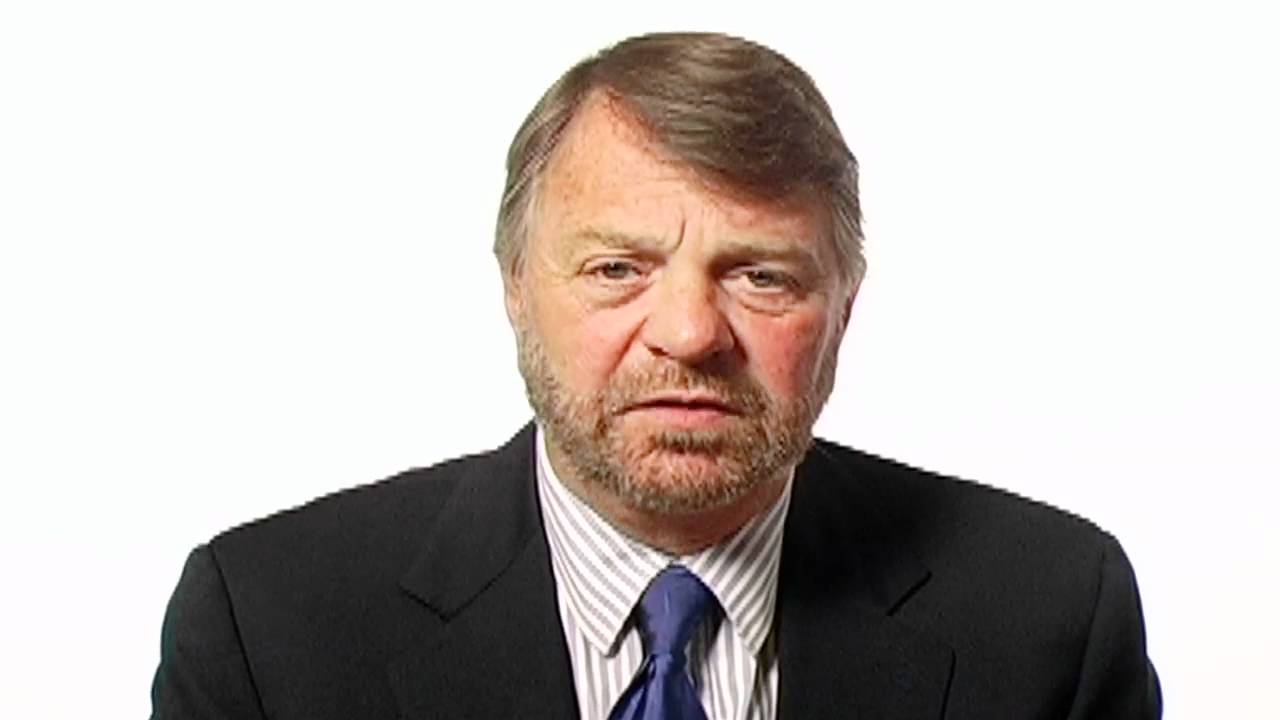
The former Mexican presidential candidate criticizes the incumbent, Calderón, for persisting in a “lousy” and “unwinnable” battle against drugs.
----------------------------------------------------------------------------------
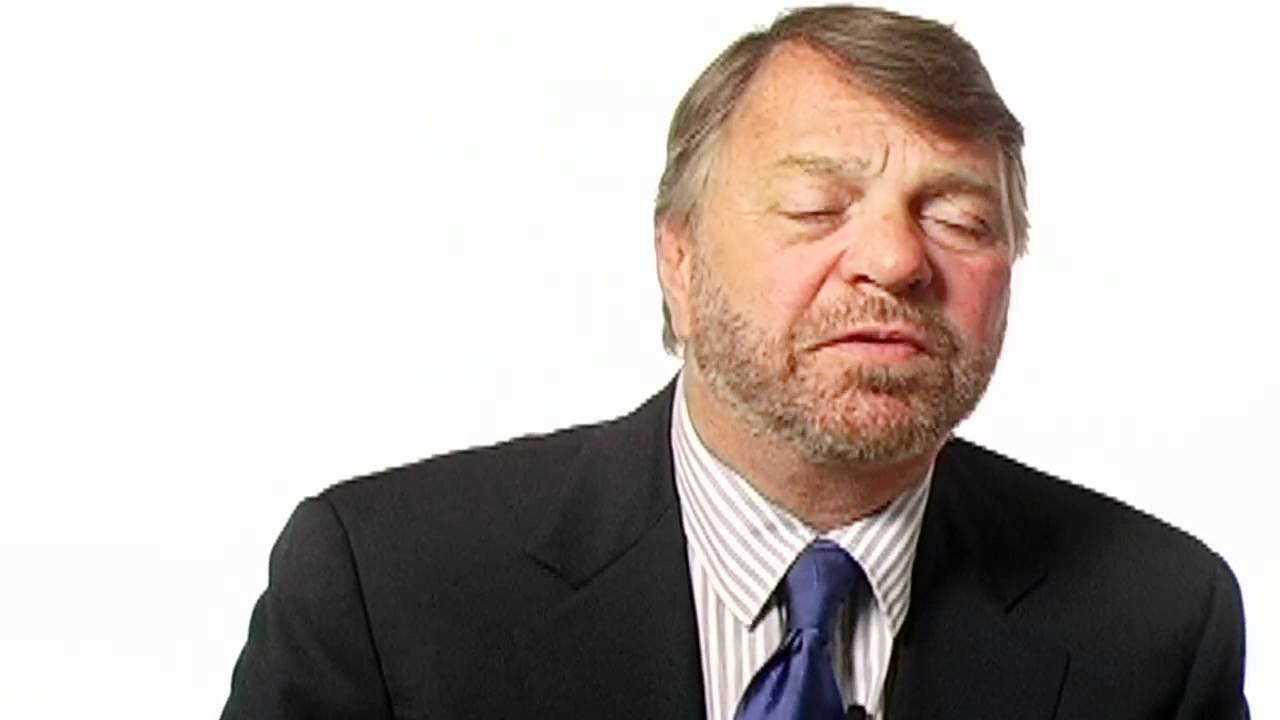
Jorge Castañeda:
Jorge Castañeda is Global Distinguished Professor of Politics and Latin American and Caribbean Studies at New York University. A renowned public intellectual, political scientist, and prolific writer, with an interest in Latin American politics, comparative politics and U.S.-Latin American relations, he is the former Foreign Minister of Mexico (2000-2003), and in that position he focused on diverse issues in U.S.-Mexican relations, including migration, trade, security, and narcotics control; joint diplomatic initiatives on the part of Latin American nations; and the promotion of Mexican economic and trade relations globally.
Born in Mexico City in 1953, Dr. Castañeda received undergraduate degrees from both Princeton University and Universite de Paris-I (Pantheon-Sorbonne), an M.A. from Ecole Pratique de Hautes Etudes, Paris I, and his Ph.D. in the History of Economics from the University of Paris. He was a Senior Associate at the Carnegie Endowment for International Peace (1985-87) and a John D. and Catherine T. MacArthur Foundation Research and Writing Grant Recipient (1989-1991). Among his many books are "Utopia Unarmed: The Latin American Left after the Cold War" (1993), "The Mexican Shock" (1995), "Compañero: The Life and Death of Che Guevara" (1997), and "Perpetuating Power: How Mexican Presidents Were Chosen" (2000). Dr. Castañeda is a regular columnist for the Mexican daily Reforma, The Los Angeles Times, and Newsweek International.
----------------------------------------------------------------------------------
TRANSCRIPT:
Question: How do you assess Felipe Calderón’s performance as president of Mexico?
Jorge Castañeda: Well, he was dealt a terrible hand. Back in 2006 he barely squeaked through with a very protested election. I happen to think he won cleanly, fairly, fair and square, but a lot of Mexicans don’t think he won that way and, in any case, he only won by less than half a percentage point and with only 35 percent of the vote, which is not exactly a mandate.
Given all of that, I think that on some fronts he’s done all right and on others what has not happened turned out well, is not entirely his fault. For example, the huge contraction of the Mexican economy last year, minus seven percent, perhaps one of the greatest contractions **** in the world, was partly Mexico’s fault, but partly comes from abroad. So, I’m not sure you can fault him entirely for that. What I do fault him for is for having declared this unwise, unwinnable and otherwise futile war on drugs which I think was a lousy idea and which today with the enormous levels of violence that we’ve be seeing during the month of January in northern Mexico, show us that three years on the war is further from being won than ever before.
Question: What would be a sensible drug policy for the U.S. and Mexico to adopt?
Jorge Castañeda: Well, what would have been a sensible policy was not to declare a war. Was to continue with the type of arraignment that Mexico has had with the cartels and the US has had with the cartels for 40, 50 years now. Having recklessly plunged the country into this now, I think what Calderón and the United States should do is to sort of sit back for a second, think this through, see what they really want to achieve, what is achievable and what should be done that’s new. For example, there are more and more states in the US that are moving towards decriminalization at least of marijuana. Mexico is still a very important producer of marijuana. Some people say that up to 60 percent of the profits of Mexico’s cartels come from marijuana. Well, if the United States or California’s de facto legalizing it through medical marijuana, what sense does it make for Mexicans to die to stop marijuana from entering the US when once it enters it can be sold legally at over 1,000 dispensaries in Los Angeles, more than the number of public schools there are in Los Angeles. That’s certainly one thing that we can do.
Another thing that we can do is combat the collateral damage, fight the collateral damage rather than the source of evil. In other words, there are times when it’s better to attack symptoms or effects and not causes. What do you do when you have a common cold? You go after the runny nose, after the teary eyes.
Read the full transcript at
Sentinel Indexing in Progress
Metadata and chapters are available. Claim extraction for this episode is pending.
All video content is delivered via YouTube embedded players in accordance with the YouTube Terms of Service. Sentinel provides research tools that promote discovery and accountability across political media.