Big Think
@bigthink·8.8M subscribers·10.1K videos
The Most Powerful Companies in Washington | Peter J. Wallison | Big Think
Posted
April 24, 2012
Views
201
Likes
2
Comments
1
Engagement
1.49%
April 24, 2012
201
2
1
1.49%
Every word spoken in this episode is indexed. Type any phrase to jump straight to the moment it was said.
Type any word or phrase that may have been spoken. Click a result to seek the player to that exact moment.
Try a name, a topic, or a quoted line
You’re on April 24, 2012. Earlier episodes are to the left, later ones to the right — the row keeps loading as you go. Click any card to open it.
 Apr 24, 201212:34Now Playing
The Most Powerful Companies in Washington
New videos DAILY
Join Big Think Edge for exclusive videos
----------------------------------------------------------------------------------
Fannie Mae and Freddie Mac grew too big to fail thanks to policies made possible by a labyrinth of Beltway connections.
----------------------------------------------------------------------------------
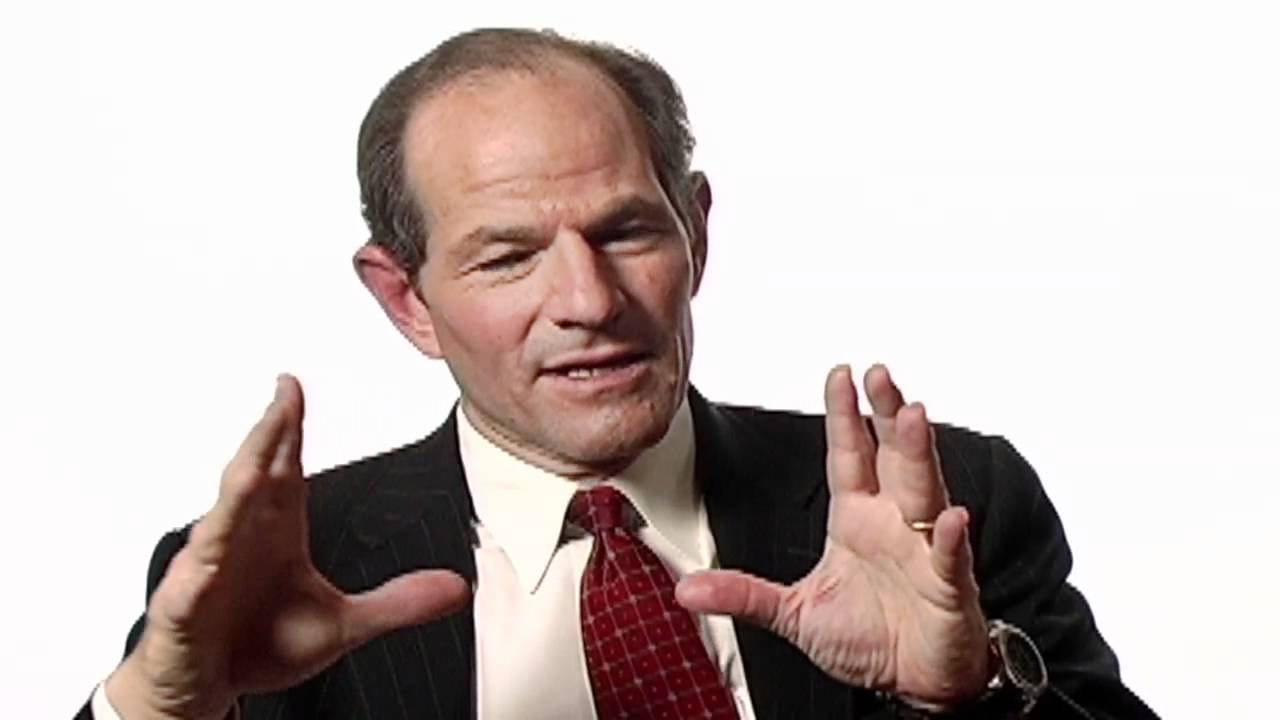
Peter J. Wallison:
Peter J. Wallison, a codirector of AEI's program on financial policy studies, researches banking, insurance, and securities regulation. As general counsel of the U.S. Treasury Department, he had a significant role in the development of the Reagan administration's proposals for the deregulation of the financial services industry. He also served as White House counsel to President Ronald Reagan.
----------------------------------------------------------------------------------
TRANSCRIPT:
Why were people reluctant to admit that Fannie and Freddie were out of control?
Peter Wallison: One of the problems with Fannie Mae and Freddie Mac, in particular, was the fact that they were very, very powerful companies. They were probably the most powerful companies in Washington that -- most powerful companies of any kind that we have ever seen. They had terrific networks between their own staff and the staffs of Congress, between themselves and Congress people, members of Congress, Senators. They had a very shrewed system of giving Congress people credit for the things that Fannie and Freddie were doing, and listening to the requests of the people from Congress. So, it was very hard to break that bond that existed between Fannie Mae and members of Congress.
Another aspect, of course, was campaign finance and they were clever in that they not only make contributions themselves to the most important people to them in Congress, but they organize various groups that depended on them, like the securities industry, the realtors, the home builders, they organized them to contribute to special Congress people who were a help to them. So, they actually built a virtually impermeable shield around themselves in Washington. And no matter how much criticism they received from anyone, it did not result in any significant change in Washington.
I was one of their critics, but obviously not a very important one. But some of the things that I wrote did enlist Alan Greenspan as one of their critics and he, as the Chairman of the Federal Reserve at the time, was an extremely important person. Every time he testified he complained about Fannie and Freddie and the risks that they were creating, but it never made any progress. Occasionaly, there would be a bill that would come out of one of the congressional committes, but it never got to a vote on the floor.
How will Fannie Mae and Freddie Mac be regulated in the future?
Peter Wallison: There actually isn't anything currently in prospect in Congress that will have any affect on them. And one of the reasons for that is that they made themselves into institutions that was so central to the housing finance system in this country that we cannot do without them until the entire housing finance system returns to normal. We are in a crisis there right now, housing prices continue to fall, it's very hard to find financing except through Fannie Mae and Freddie Mac. And so we have to keep them in business, we have to keep them functioning. The government has to keep feeding money to them as they suffer losses, in order to keep our housing finance system operating.
So, there's nothing going on now, and there will be, in my view, nothing significant going on in Congress, or from the administration, until we reach the point where the housing market has returned to normal and we can start thinking about alternative methods of financing mortgages. We can't do it now.
How is the government still entangled in the housing market?
Peter Wallison: There are several ways actually that the government has involved itself. FHA has been, that is the Federal Housing Administration, has been important in supporting low income housing for many, many years, but it was always very small. Fannie and Freddie actually competed with FHA and made it even smaller during the time they were operating because they took away a lot of it's sub prime andother non prime business and used those morgages themselves to satisfy some of the obligations that the government had put on them.
Another significant government involvment in the housing business is something called the Community Reinvestment Act which requires banks to make loans in communities that are said to be underserved.
Read the full transcript at
Sentinel Indexing in Progress
Metadata and chapters are available. Claim extraction for this episode is pending.
All video content is delivered via YouTube embedded players in accordance with the YouTube Terms of Service. Sentinel provides research tools that promote discovery and accountability across political media.