Big Think
@bigthink·8.8M subscribers·10.1K videos
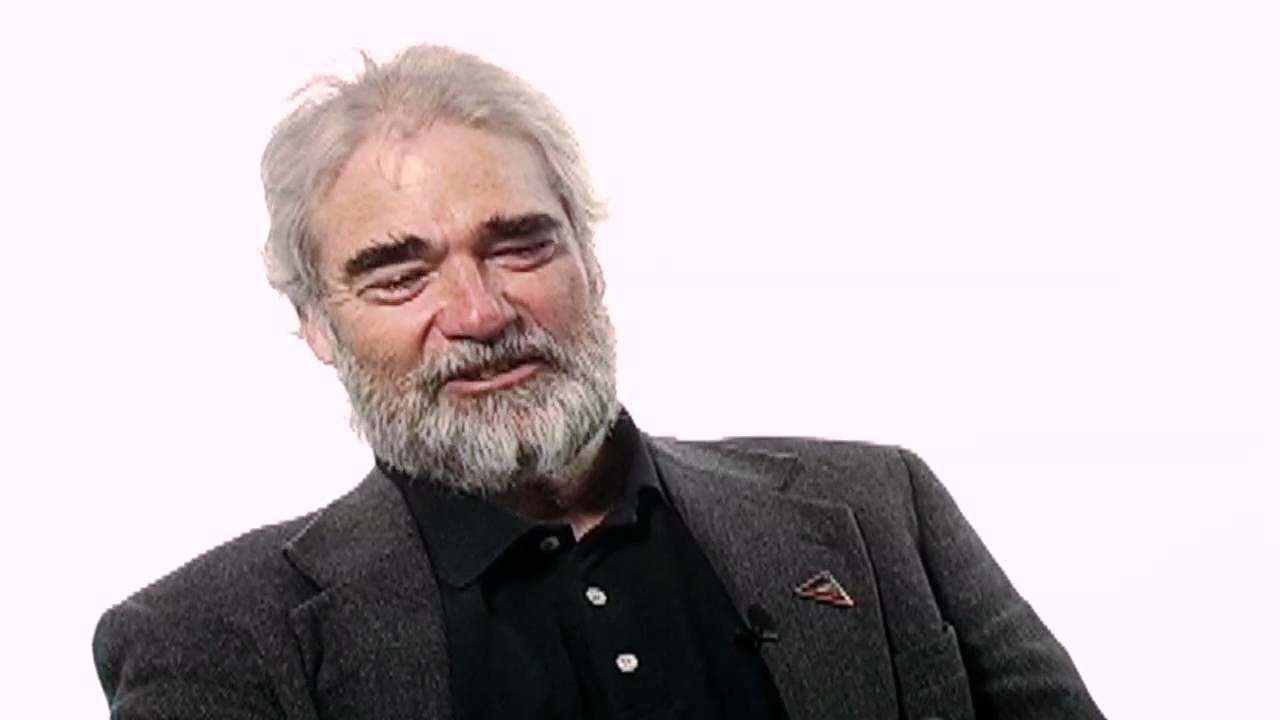
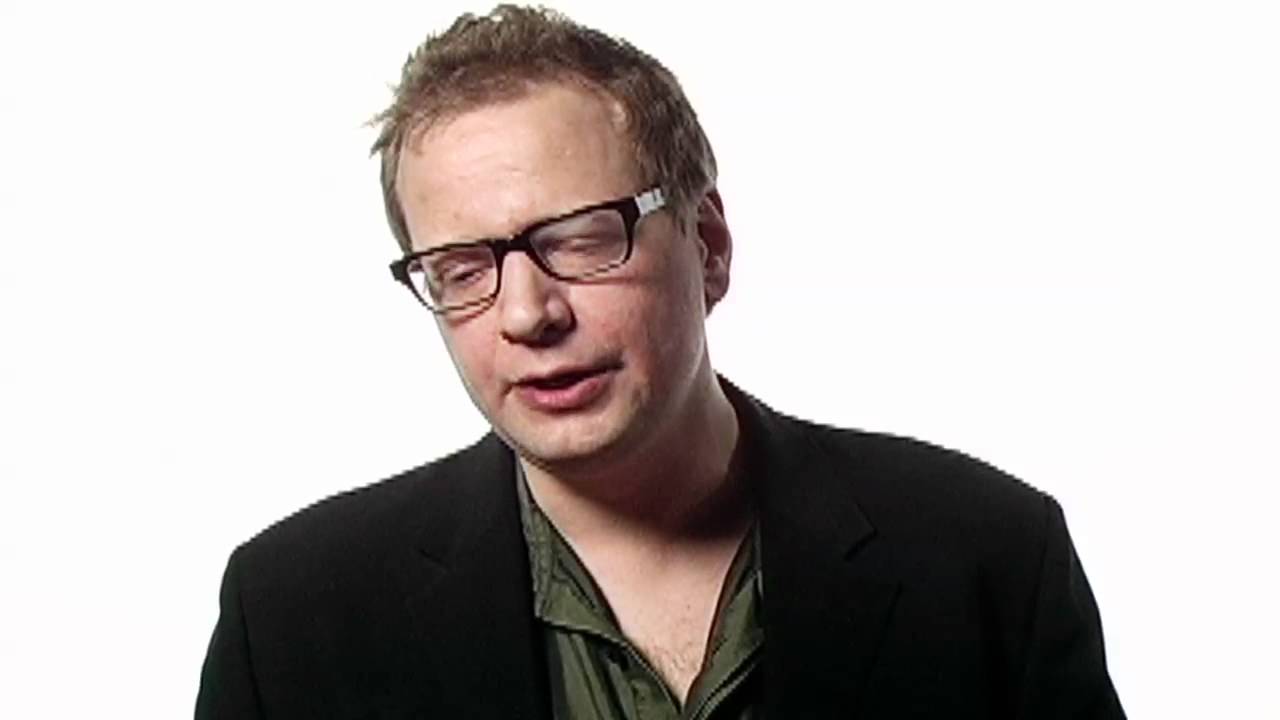
A Big Think Interview with Michael Kupperman | Big Think
Posted
April 24, 2012
Views
783
Likes
16
Comments
4
Engagement
2.55%
April 24, 2012
783
16
4
2.55%
Every word spoken in this episode is indexed. Type any phrase to jump straight to the moment it was said.
Type any word or phrase that may have been spoken. Click a result to seek the player to that exact moment.
Try a name, a topic, or a quoted line
You’re on April 24, 2012. Earlier episodes are to the left, later ones to the right — the row keeps loading as you go. Click any card to open it.
 Apr 24, 201227:44Now Playing
A Big Think Interview with Michael Kupperman
New videos DAILY
Join Big Think Edge for exclusive videos
----------------------------------------------------------------------------------
A conversation with the cartoonist, comedian and author.
----------------------------------------------------------------------------------
Michael Kupperman:
Michael Kupperman is an American cartoonist and illustrator. His work has appeared in publications ranging from The New Yorker to Screw. He has two books published, Snake’N'Bacon’s Cartoon Cabaret and Tales Designed to Thrizzle.
----------------------------------------------------------------------------------
TRANSCRIPT:
Question: What made you want to be a cartoonist?
Michael Kupperman: I took a really circular route into comics. I went to school for fine art, which in retrospect is one of those decisions that just confuses me. But I just had no idea what was involved in any kind of artistic production. So I did that and then I kind of, you know, hung around doing drawings for a couple of years and I started doing comics for a Zine that was being done out of Williamsburg called Hodags and Hodaddys and it was Xerox with a laminated cover and, you know, was handed out to all my friends and neighbors and I started doing stuff for that and, you know, the response I got convinced me that maybe this was something I should follow. So, you know, because I liked getting a response. So I got into it and then a couple of years later, I started doing illustration as well.
Question: When did you decide to be a cartoonist?
Michael Kupperman: Oh, I was 25, 26. Yeah. It was a little late. I might have started doing comics a little earlier, but yeah, I was in my mid 20's before it really started to solidify. I was a bit of a late bloomer.
Question: What about your earlier career?
Michael Kupperman: I had a lot of jobs when I was younger. I worked in an art gallery, I did construction very briefly. I was a waiter very briefly, because I was extremely bad at it. I worked in offices finally, that was what I seemed to settle into when I worked at an artist licensing place and then finally my last job was at Life Magazine, which was kind of a shambles at the time. It was during the Gulf War and that was an interesting experience. I finally begged them to fire me and that was my last job.
Question: Who are your influences?
Michael Kupperman: Well, I first got a Tintin book for a present when I was 8 years old, and the stories it tells are just so simple and compelling that I just fell in love with them and I read every book and actually I translated a couple from French into English that weren't yet translated, I was so fascinated. Unfortunately, my French education didn't continue past that. But just, Herge created such a compelling complete world, he was absolutely perfect in every detail, so it wasn't much, until a lot later that I knew about his career and about the workshop, of assistants he had, and he would actually go through the books and update the look of, you know, cars and machinery sometimes, just redo the whole book so that it would stay fresh. And he was just a unique artist, I don't think there's going to be anyone else like him soon.
Question: Is there a specific era you draw from creatively?
Michael Kupperman: Oh no, I'm fascinated by all ephemera from the past, comic books, magazines, children's books, I have a large collection of children's annuals at my studio, mostly from the '30's through the '50's, and some extremely bizarre children's books, some that seem more calculated to produce nightmares than not. I love any kind of ephemera that really is alien, because it's from the past, if you know what I mean. Something where the attitudes and ideas are so strange to us, merely because, you know, we've moved on.
Read the full transcript at
Sentinel Indexing in Progress
Metadata and chapters are available. Claim extraction for this episode is pending.
All video content is delivered via YouTube embedded players in accordance with the YouTube Terms of Service. Sentinel provides research tools that promote discovery and accountability across political media.