Big Think
@bigthink·8.8M subscribers·10.1K videos
Three Steps for Remembering Everything You Need to | Dr. Gary Small | Big Think
Posted
April 24, 2012
Views
688
Likes
13
Comments
1
Engagement
2.03%
April 24, 2012
688
13
1
2.03%
Every word spoken in this episode is indexed. Type any phrase to jump straight to the moment it was said.
Type any word or phrase that may have been spoken. Click a result to seek the player to that exact moment.
Try a name, a topic, or a quoted line
You’re on April 24, 2012. Earlier episodes are to the left, later ones to the right — the row keeps loading as you go. Click any card to open it.
 Apr 24, 20122:28Now Playing
Three Steps for Remembering Everything You Need to
New videos DAILY
Join Big Think Edge for exclusive videos
----------------------------------------------------------------------------------
There are three mental tricks we can employ to help us easily recall everything from the most vital information to where we put our keys. A UCLA psychiatrist and memory expert explains the “look, snap, connect” technique.
----------------------------------------------------------------------------------
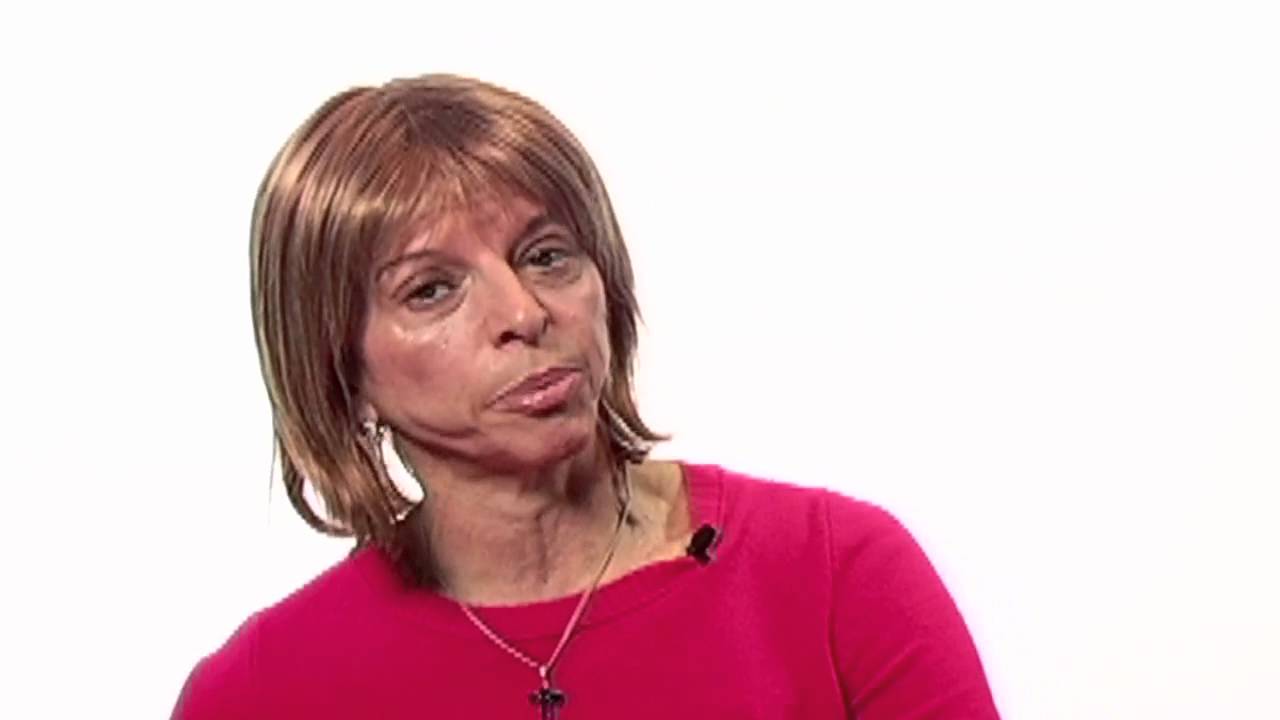
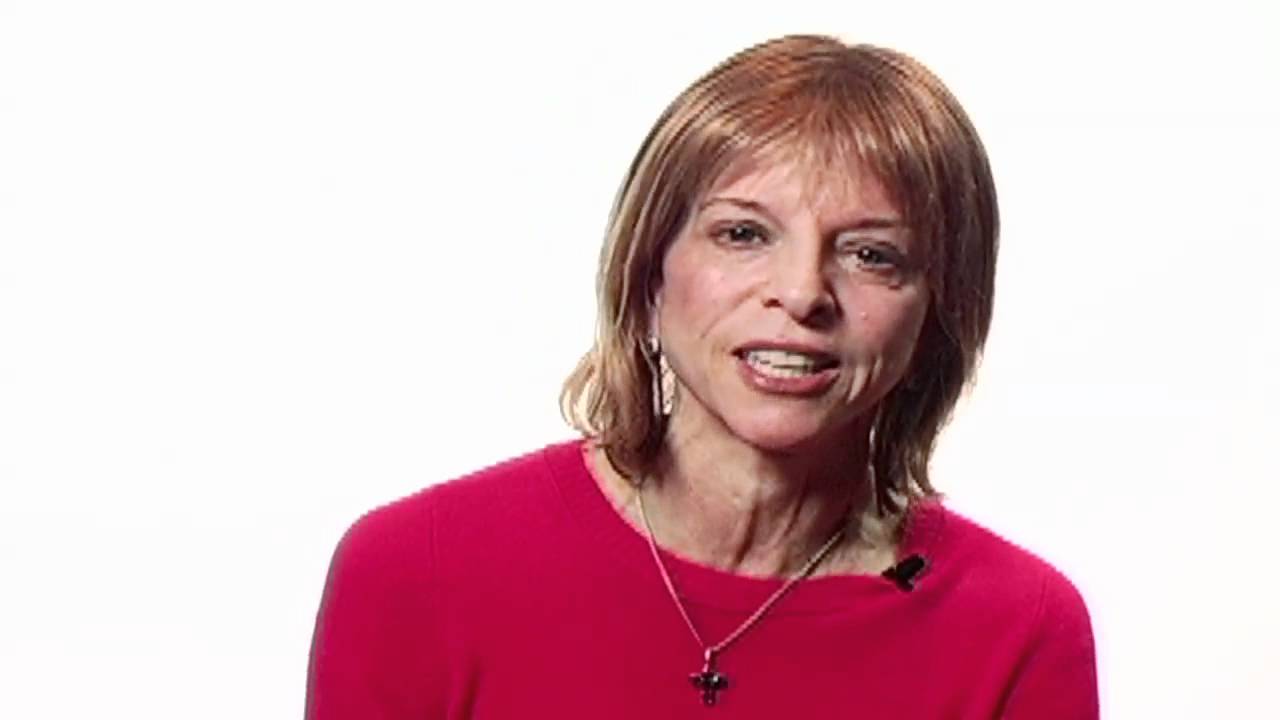
Dr. Gary Small:
Dr. Gary Small is a professor of psychiatry at the UCLA Semel Institute where he directs the Memory and Aging Research Center and the UCLA Center on Aging. Dr. Small invented the first brain scan that allows doctors to see the physical evidence of brain aging and Alzheimer’s disease in living people. He now leads a team of neuroscientists who are demonstrating that exposure to computer technology causes rapid and profound changes in brain neural circuitry. A leading experts on brain science, he has been named by Scientific American magazine as one of the world’s top innovators in science and technology.
----------------------------------------------------------------------------------
TRANSCRIPT:
Question: What steps can we take to improve our memories?
Gary Small: Our research group at UCLA has looked into ways to improve memory and our work and the work of other scientists have found that it’s actually possible to improve our memory ability with relatively simple strategies and techniques and my favorite and actually the building block of all memory techniques involves three things, look, snap, connect, so this is an easy way to remember the three major steps in improving memory performance. So look stands for focusing attention. The biggest reason that people don’t remember things is they’re simply not paying attention. You’re running outside the house and you can’t remember whether you did some minor task because you weren’t paying attention. Snap is a reminder to create a mental snapshot of information you want to recall later. Many of us find it easier to remember visual information than other types of information. And then the third step connect, is just a way of linking up those mental snapshots, so an example would be if I’m running out quickly and I have two errands, pick up eggs and go to the post office. I might visualize in my mind and egg with a stamp on it.
Question: Can we prevent everyday mental slips?
Gary Small: Many people complain about everyday memory slips. They misplace their keys, their glasses. They forget appointments and these problems are very annoying to most of us. There are simple things we can do to improve on that. I mean certainly using look, snap, connect can help, just the process of focusing attention will help us remember where we place objects. Another simple strategy is to use memory places. I like to hang my keys on a hook in the kitchen, so I remember where I place my keys. This can be problematic though when you’re traveling because you may be in a hotel and you have very thin glasses and you put them down distracted by something and then you’re in a panic, but you can always bring a pair, a set of glasses to help with that
Sentinel Indexing in Progress
Metadata and chapters are available. Claim extraction for this episode is pending.
All video content is delivered via YouTube embedded players in accordance with the YouTube Terms of Service. Sentinel provides research tools that promote discovery and accountability across political media.