Big Think
@bigthink·8.8M subscribers·10.1K videos
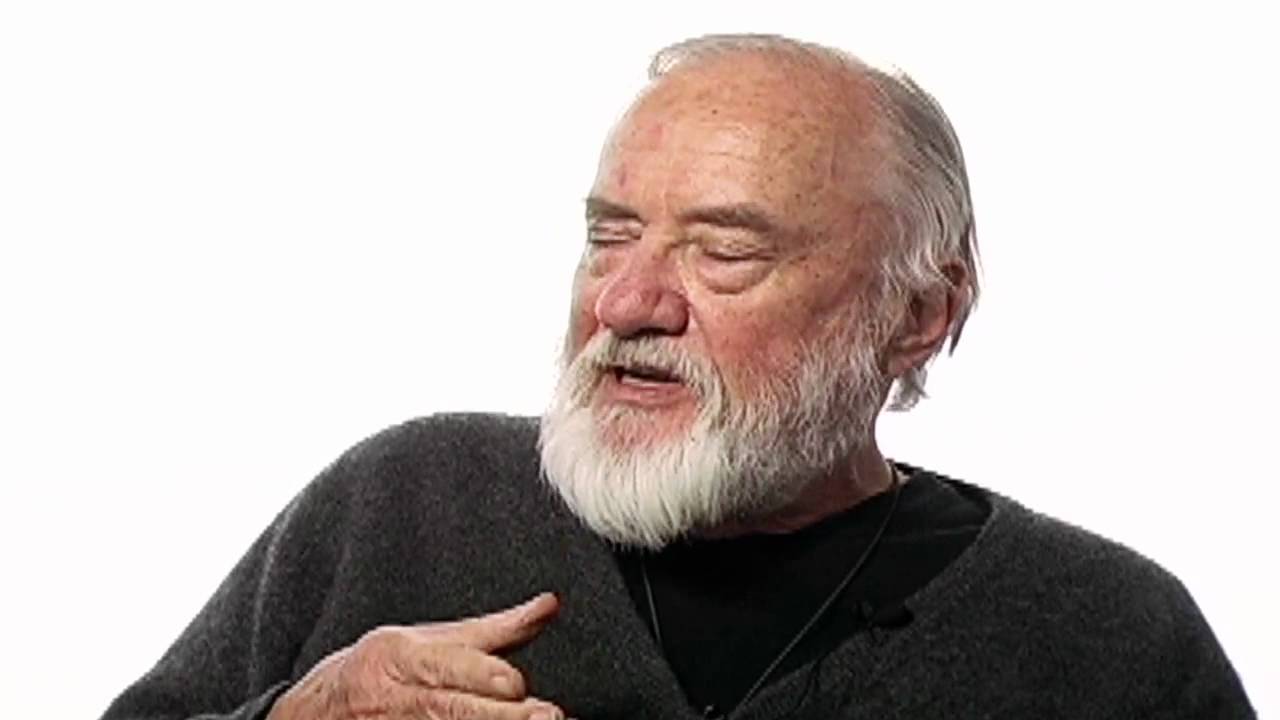
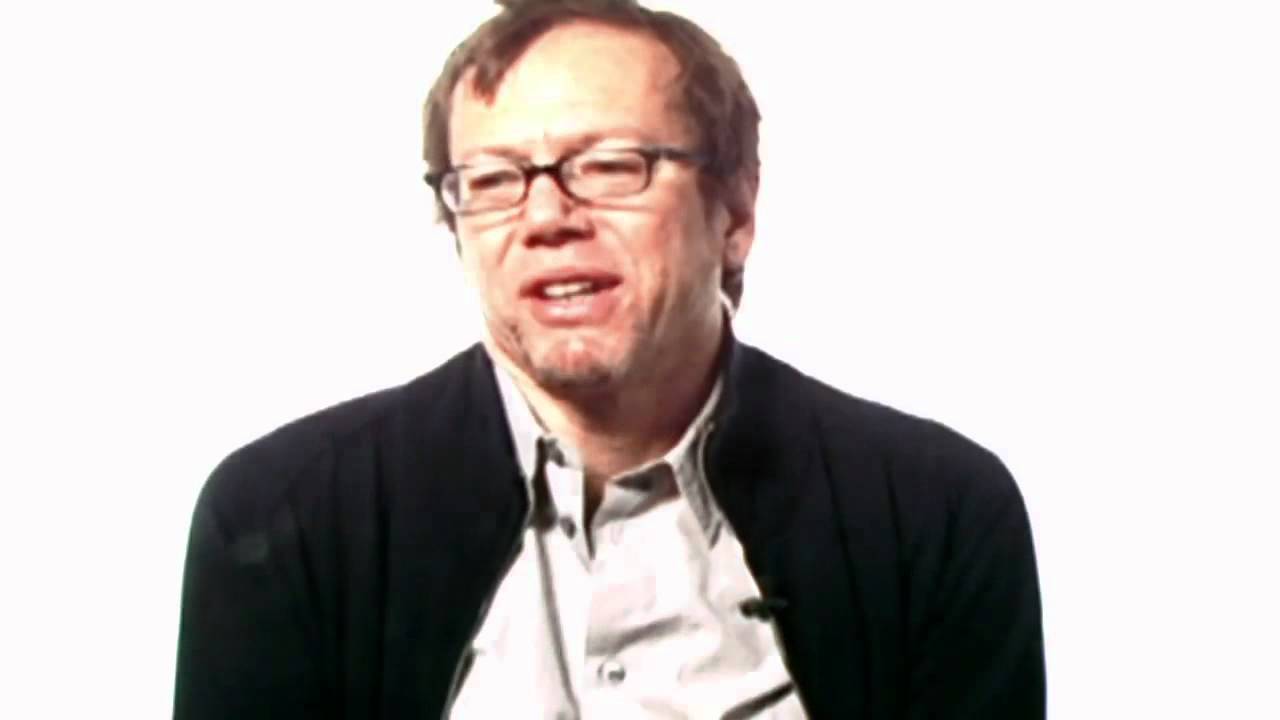
Big Think Interview With Robert Stone | Big Think
Posted
April 24, 2012
Views
11,910
Likes
178
Comments
12
Engagement
1.60%
April 24, 2012
11,910
178
12
1.60%
Every word spoken in this episode is indexed. Type any phrase to jump straight to the moment it was said.
Type any word or phrase that may have been spoken. Click a result to seek the player to that exact moment.
Try a name, a topic, or a quoted line
You’re on April 24, 2012. Earlier episodes are to the left, later ones to the right — the row keeps loading as you go. Click any card to open it.
 Apr 24, 201239:01Now Playing
Big Think Interview With Robert Stone
New videos DAILY
Join Big Think Edge for exclusive videos
----------------------------------------------------------------------------------
Robert Stone:
Robert Stone is an American novelist and the National Book Award-winning author of "Dog Soldiers" (1974). His other novels include "A Flag for Sunrise" (PEN/Faulkner Award, 1981), "Children of Light" (1986), and "The Bay of Souls" (2003). He also published a memoir, "Prime Green: Remembering the Sixties," in 2007. His newest book, the short story collection "Fun With Problems," will be released by Houghton Mifflin Harcourt in January 2010.
----------------------------------------------------------------------------------
TRANSCRIPT:
Question: Which writers influenced you most as a young man?
Robert Stone: I think I was still in grade school when I began to understand the degree of pleasure I was taking in telling stories and in language and in words and the power I felt they had. I took to repeating words over and over to myself and making connections with them. And I really liked telling stories and I really enjoyed language and what it did and what seemed to be its possibilities.
When I was a child, I read the kind of books that children read and series of adventure stories, like The Hardy Boys and this kind of thing. As I got a little older, I read Kipling. I read the first moderns. I read Stephen Crane, The Red Badge of Courage. One of the first modernist novelists that I ever read was John Steinbeck and I was really moved by Steinbeck and his lyricism and maybe his sentimentalism, but then I discovered Hemingway and I read The Sun Also Rises, and I think any writer of my generation was probably electrified, or given fits by Hemingway. Just the sheer pleasure you could take in reading Hemingway, the astonishing nature of the discoveries he made about non sequiturs and how words could cast shadows and how you could use the white space. And this was all in one rush of reading.
It wasn't an uncommon reading list for the most part. It was everything I blended into. I read the African adventure stories of Paul Duchieu, who was apparently a preposterous self-mythologizer who explored, or claimed to have explored, Africa in the 1860's. I read Admiral Byrd's accounts of his expeditions, which was kind of ironical because I was eventually going to be on one of Byrd's expeditions, one he himself did not conduct because he had died. All those stories of romantic adventure.
Question: How did your voyage to Antarctica come about?
Robert Stone: Well, I had been reading these accounts, which I now realize were ghostwritten by some Navy PR man, such as I would sort of be later. And I joined the Navy and I went to radio school and I was detached to a radio outfit to go aboard the USS Arneb under the command of an Admiral named Dufek who was following through on the Operation Deep Freeze III of voyages. So, I was the, I think what they called me was the Senior Enlisted Journalist on Operation Deep Freeze III. It gave me the official rate of Journalist 3rd Class. I mean, I was a kid. I was really quite young, so I got a huge charge out of all of this, out of going around the world, out of being down in the Antarctic, and being 20 years old, and being technically a non-com, and I loved being at sea. I always have. Sort of **** with my reading in a crazy way. I felt that the years that I was in the Navy I was kind of growing up in the Navy, that somehow I was doing something I had always wanted to do and I had the odd feeling you get when you were young when you suddenly find yourself doing something you think you've always wanted to do.
Question: How did your experience as a Vietnam War journalist affect your writing?
Robert Stone: Well, it really dictates its own language to try to describe the infinite contradictions and ironies that are generated by language, language that is deliberately perverse, or often deliberately perverse and simply perverse because of its nature. The attempt to link life in language anyway, without even getting to a situation as complex and fraught as war, is a strange thing anyway when you try to hook up language with life, you run into millions of shadows and contradictions and ironies.
I should say that my experience of war in Vietnam was quite limited, but I did feel a necessity to see what I could. I wasn't in the military at that point; I was freelancing. But you always learn. I think you always learn from the experience of war and I was not circumstantially, my experience was not as demanding of me, of my sanity as it was for many people. But I certainly found out things that I hadn't known before.
Read the full transcript at
Sentinel Indexing in Progress
Metadata and chapters are available. Claim extraction for this episode is pending.
All video content is delivered via YouTube embedded players in accordance with the YouTube Terms of Service. Sentinel provides research tools that promote discovery and accountability across political media.