Big Think
@bigthink·8.8M subscribers·10.1K videos
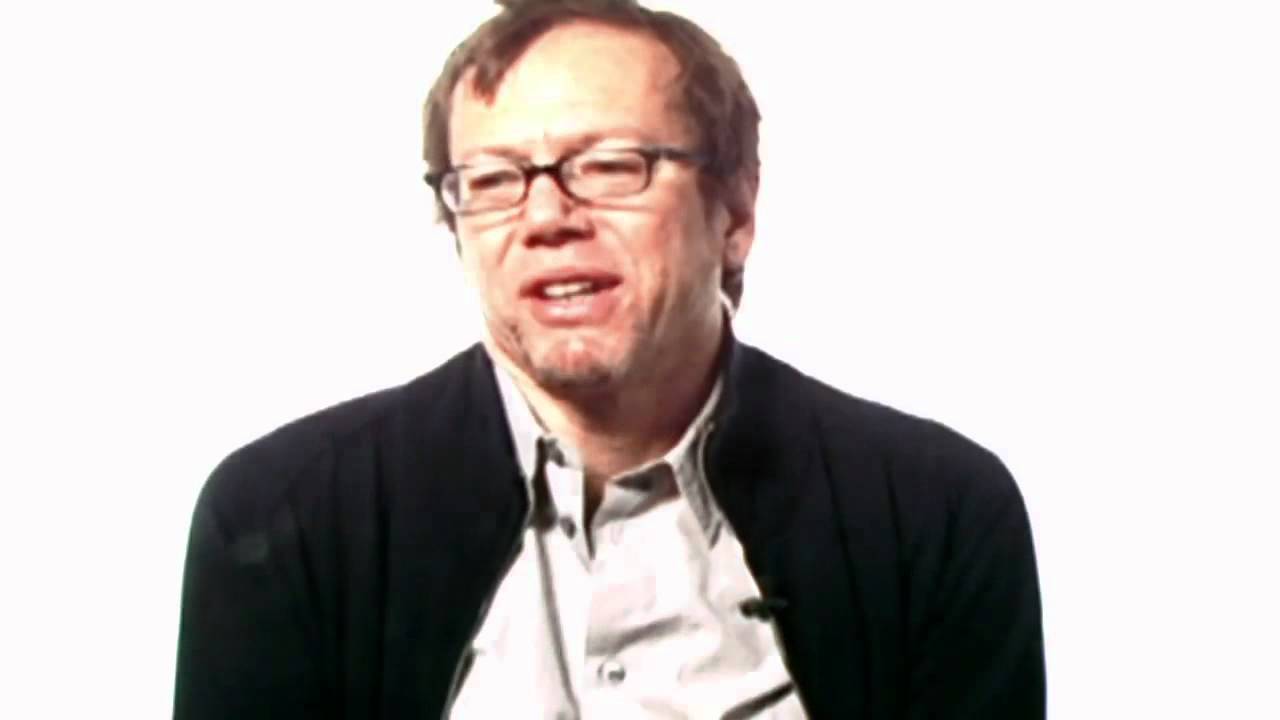
The Fiction of Addiction | Robert Stone | Big Think
Posted
April 24, 2012
Views
413
Likes
6
Comments
3
Engagement
2.18%
April 24, 2012
413
6
3
2.18%
Every word spoken in this episode is indexed. Type any phrase to jump straight to the moment it was said.
Type any word or phrase that may have been spoken. Click a result to seek the player to that exact moment.
Try a name, a topic, or a quoted line
You’re on April 24, 2012. Earlier episodes are to the left, later ones to the right — the row keeps loading as you go. Click any card to open it.
 Apr 24, 20128:40Now Playing
The Fiction of Addiction
New videos DAILY
Join Big Think Edge for exclusive videos
----------------------------------------------------------------------------------
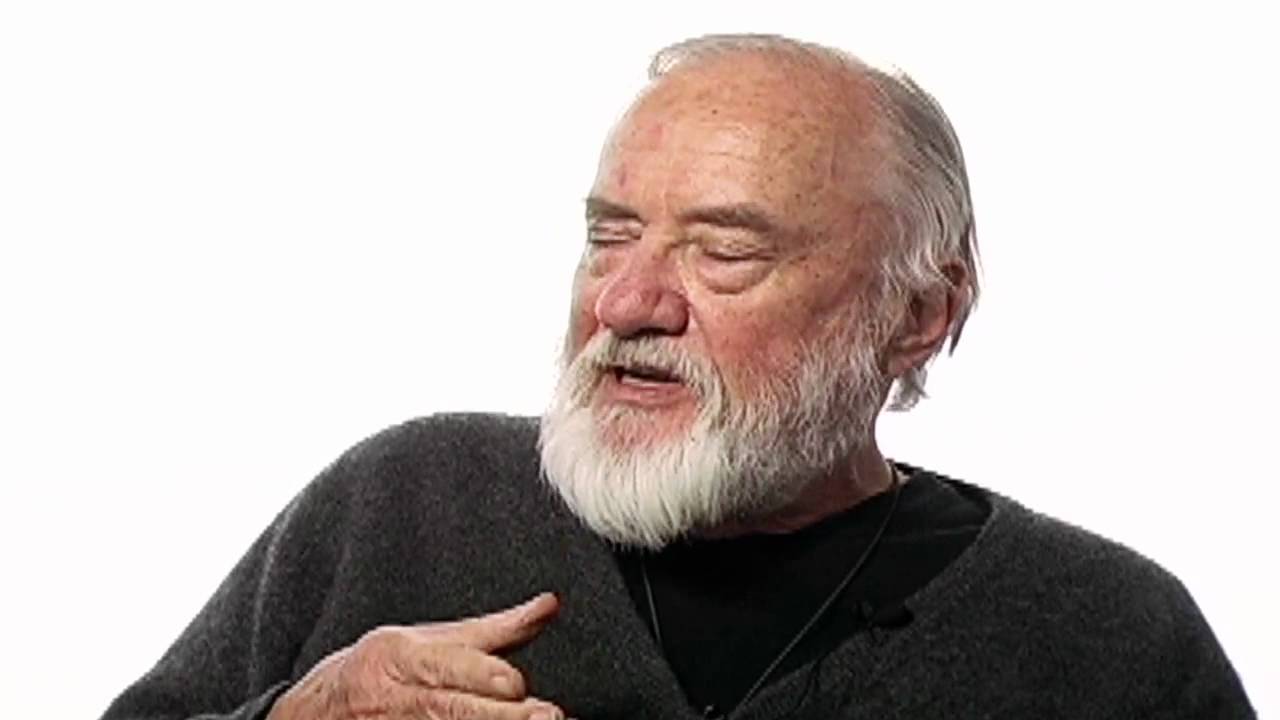
What can addiction teach us? Can its complexities ever be honestly represented in fiction? And is writing itself a kind of drug?
----------------------------------------------------------------------------------
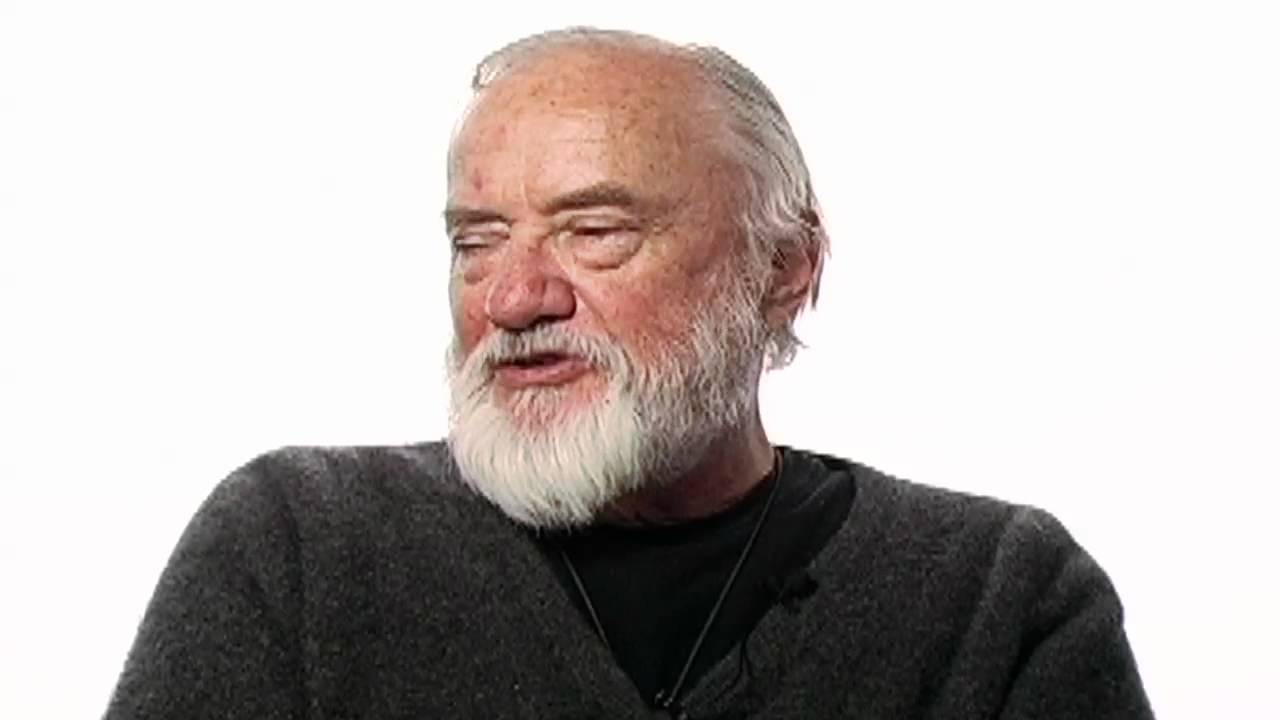
Robert Stone:
Robert Stone is an American novelist and the National Book Award-winning author of "Dog Soldiers" (1974). His other novels include "A Flag for Sunrise" (PEN/Faulkner Award, 1981), "Children of Light" (1986), and "The Bay of Souls" (2003). He also published a memoir, "Prime Green: Remembering the Sixties," in 2007. His newest book, the short story collection "Fun With Problems," will be released by Houghton Mifflin Harcourt in January 2010.
----------------------------------------------------------------------------------
TRANSCRIPT:
Question: Are reading and writing escapist drugs?
Robert Stone: Oh, they’re states of consciousness. They are all altered states of consciousness. I mean, the reason language has the effect that it has in literature is because it's recapitulating music. I mean, poetry rhymes or is metered so you will remember it. So what's behind the rhythms of poetry are these mnemonic techniques that are pure sound in a way. So, it's this mixture of sound and meaning that is as musical in a way, or certainly as sonic as it is rational. It's a rational narrative, or maybe an irrational narrative, but it's also something that's going on, on a purely sensory, sensual level.
So, it is an altered state of consciousness. And in that sense, certainly a drug. Certainly a drug made out of sensibility, made out of our senses and that occupies our space and removes us from our own space and lets the artist inhabit our space the way music inhabits your space, or poetry inhabits your space, or great prose inhabits your space, in a good cause. It alters your consciousness.
Question: What can addiction teach us?
Robert Stone: It's one of those things that keep reminding me of the concept of original sin. I mean, which is so hateful and corny, the idea of original sin. You know, when you really struggle to lose that concept as soon as you lose organized religion. But there's something and some quality in life, some kind of weakness or craving that one doesn't seem to be able to get away from.
I mean, addicts have often talked about their substance as something that almost has a life of its own; as a tempter. It's the substitution to everything else. I think the drug is whatever you want it to be. It's something that will take you away from your present space and brings you pleasure that's somehow free, that you don't have to pay for, which of course is illusionary because there isn't anything that you don't have to pay for.
One of the strangest tings about life I think, is how absolutely nothing is free. The old saw about there being no free lunch. It's uncanny. It's weird how true that is. That everything has to be paid off on, one end or the other. And so drugs are like anything else, you just don't get away with anything.
Question: Can the complexities of addiction ever fully be represented in fiction?
Robert Stone: I think it has been represented variously and well by writers like, for example, like Burroughs, and even writers who don't directly write about addiction in a way discover the principles, the truths that addiction leads you to. I mean, addiction is full of -- as Burroughs knew, it's full of dreadful pain. It's also full of comedy. I mean every addict's story is of course, tragic; a tale of destruction, but it also has its constantly ludicrous side. So, that it really is the human being as fool and you know, one knows that it's a mug's game, that you can't get ahead of it and it's never quite going to pay off, but you always sympathize somehow. At least I always sympathize with somebody after they're high. It's a distressing thing to see somebody get to worship their own asshole in this awful way, that all they're doing is trying to generate satisfaction and yet, in a way, you kind of have to sympathize with the drive for ecstasy.
When I was really young and dumb, I thought, thinking of the great musicians, I thought oh, well the junkies are holy. I mean, I don't think that anymore, but I thought of the great jazz musicians who had succumbed. I thought there was some kind of holiness about this. The glamour of it I think entraps a lot of people. It might have entrapped me. I think if I hadn't been lucky.
Read the full transcript at
Sentinel Indexing in Progress
Metadata and chapters are available. Claim extraction for this episode is pending.
All video content is delivered via YouTube embedded players in accordance with the YouTube Terms of Service. Sentinel provides research tools that promote discovery and accountability across political media.