Big Think
@bigthink·8.8M subscribers·10.1K videos
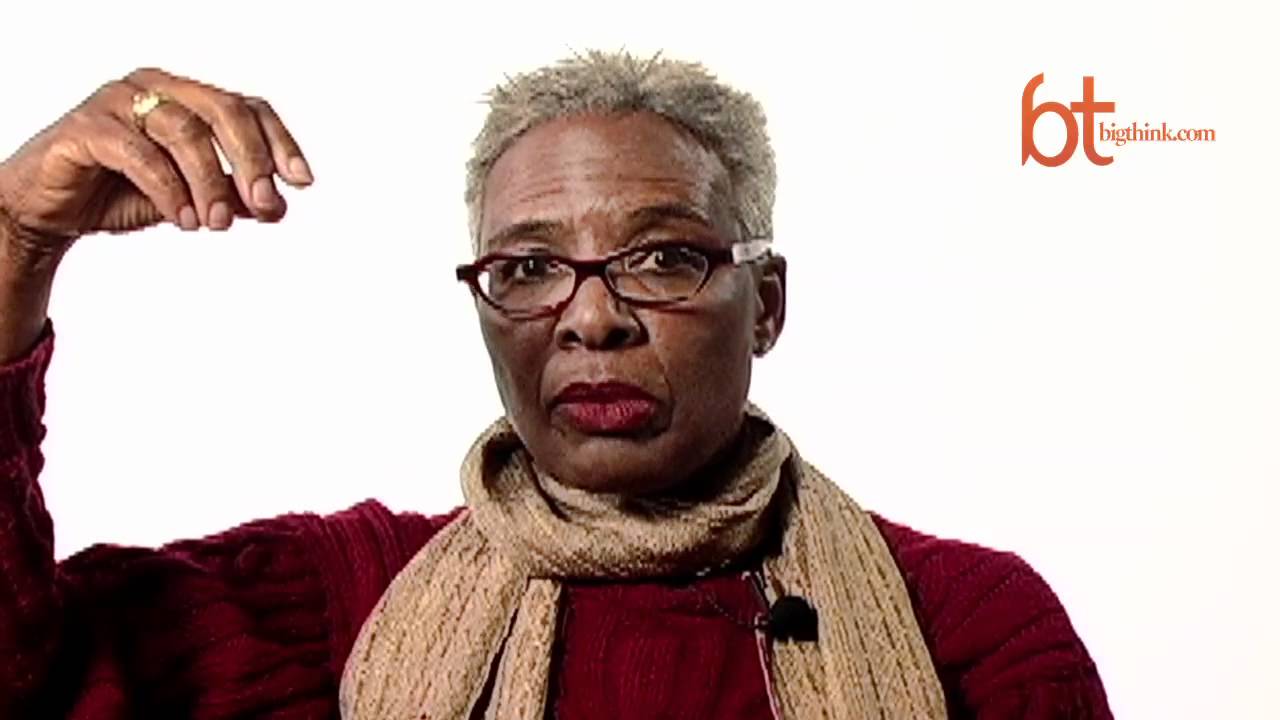
What's Fair in War | Nancy Sherman | Big Think
Posted
April 24, 2012
Views
346
Likes
1
Engagement
0.29%
April 24, 2012
346
1
0.29%
Every word spoken in this episode is indexed. Type any phrase to jump straight to the moment it was said.
Type any word or phrase that may have been spoken. Click a result to seek the player to that exact moment.
Try a name, a topic, or a quoted line
 8:50Now Playing
What's Fair in War
New videos DAILY
Join Big Think Edge for exclusive videos
----------------------------------------------------------------------------------
From the Iliad to Afghanistan, the field of military ethics has tried—not always successfully—to impose rules on the chaos of mass slaughter.
----------------------------------------------------------------------------------
Nancy Sherman:
Nancy Sherman is a Distinguished University Professor in the Philosophy Department of Georgetown University. She received her BA from Bryn Mawr College, her PhD from Harvard, and her MLitt from the University of Edinburgh. From 1997 to 1999 Sherman served as the first Distinguished Chair in Ethics at the US Naval Academy. She has taught at Yale, Johns Hopkins, and the University of Maryland, and has trained in psychoanalysis at the Washington Psychoanalytic Institute. Since 1995 she has consulted for the U.S. Armed Forces on issues of ethics, resilience, and post-traumatic stress, lecturing at the Uniformed Services University, Walter Reed Army Hospital, the National Defense University, and elsewhere. In October 2005, Sherman visited Guantanamo Bay Detention Center as part of an independent observer team, assessing the medical and mental health care of detainees. She has served on the Board of Directors for the Carnegie Council on Ethics and International Affairs.
Sherman's books include "Aristotle's Ethics: Critical Essays on the Classics," "Stoic Warriors: The Ancient Philosophy Behind the Military Mind," and her most recent, "The Untold War: Inside the Hearts, Minds, and Souls of Our Soldiers," published by W. W. Norton & Company in 2010.
----------------------------------------------------------------------------------
TRANSCRIPT:
Question: How did military ethics become a fieldrnof serious inquiry?
rnrn
Nancy Sherman: Ifrnyou think about the history and its introduction into the military rnacademies,rnit often is indexed or linked to a cheating scandal. Andrn that was certainly the case of the Naval academy when Irnwas brought in, in the mid-‘90s. rnThey had taught psychology of leadership and also the law of war,rn orrnthe law of the high seas, that sort of thing, but they didn’t teach rnmilitaryrnethics until they had a massive electrical engineering cheating scandal. And the same, I believe with WestrnPoint, and I thinking 1959, the Air Force probably was ahead of the rncurve andrndid it, I think without provocation.
rnrn
But it’s a relatively new field in the way that thern ethicsrnof, these applied ethics are sort of business of law. Oftenrn they come about when there’s a problem and theyrnrealize that some of us who have been teaching ethics for the longest rntime andrnteach these general issues even though they might not be specifically rnappliedrnto a kind of profession. But it’srnas old—the topic is as old as the ancients. If rnyou think about it, in the Iliad, Achilles drags aroundrnHector’s body seven times around, desecrating it in revenge, wild rnrevenge forrnthe death of his buddy, Achilles’ buddy, Patroclus. Andrn Homer says finally, he breaks down and says, “Even therngods cannot sit by quietly and watch this.” And rnthey protect the face of this desecrated body so that inrnfact, because if the gods watch, it’s never really desecrated. So there’s this important sense of thernugliness of revenge. Maybe it’s arncombat motivator, maybe it’s fire in the belly that adrenalizes, we rnwould say,rnbut it’s got its really ugly side.
rnrn
And so the Stoics come in later as a comment on thernancients, they themselves, like second century, before the common era, rnthe secondrncentury after, and say, you ancients, including Plato and Aristotle, butrn beforernthat Homer and his warrior tradition gave carte blanche, you might say, rnopenrnticket to revenge, but revenge knows no limits, knows no excess. So, event he warrior ought not to havernit. Do it for its own sake. Fightrn in there because the cause isrnright, or because you believe in the cause, not for the sake of payback,rnbecause you won’t be able to control the revenge. Oncern it’s out of the gate, the game is over.
Read the full transcript at
Sentinel Indexing in Progress
Metadata and chapters are available. Claim extraction for this episode is pending.
All video content is delivered via YouTube embedded players in accordance with the YouTube Terms of Service. Sentinel provides research tools that promote discovery and accountability across political media.