Daniel Davis Deep Dive
@danieldavisdeepdive·442K subscribers·4.9K videos
True Story of Violence Against Palestinians *PRIOR to October 7th
Posted
October 7, 2025
Views
3,558
Likes
289
Comments
48
Engagement
October 7, 2025
3,558
289
48
9.47%
Every word spoken in this episode is indexed. Type any phrase to jump straight to the moment it was said.
Type any word or phrase that may have been spoken. Click a result to seek the player to that exact moment.
Try a name, a topic, or a quoted line
 30:00Now Playing
Daniel Davis Deep Dive Merch: Etsy store
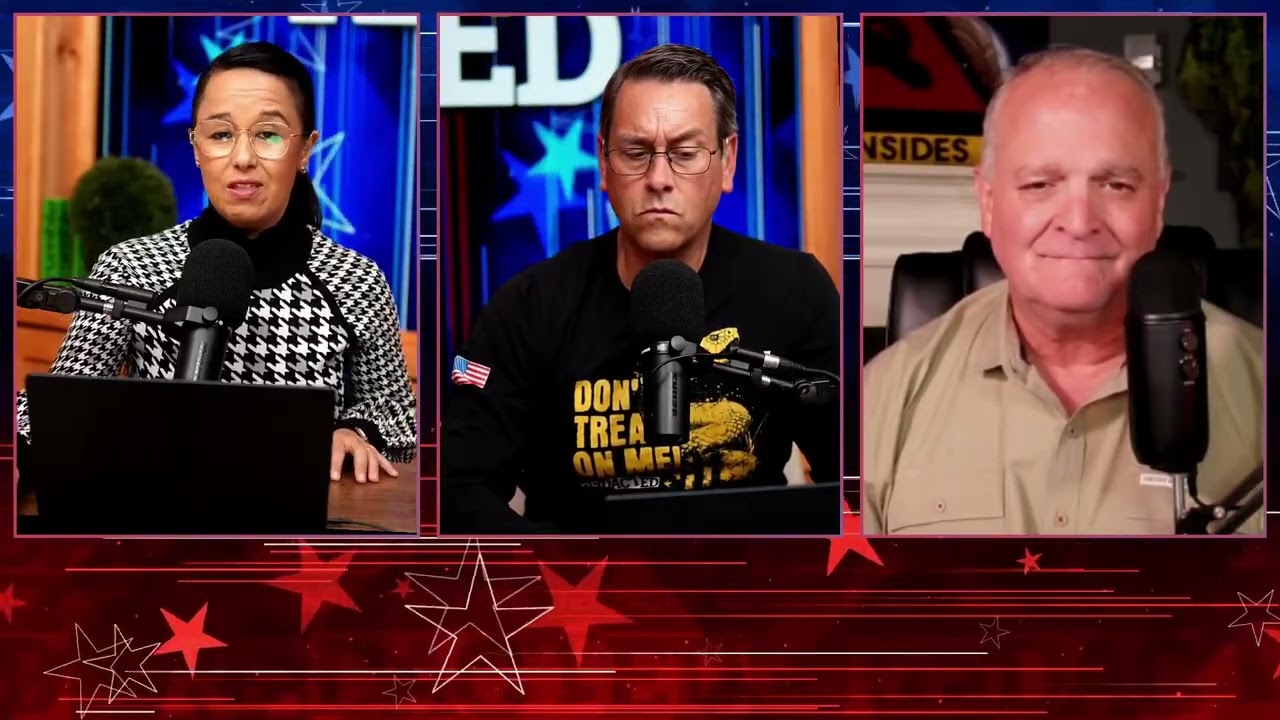
Danny and Matt argue that the history of the Israeli–Palestinian conflict did not begin on October 7, 2023, but is rooted in decades of occupation, displacement, and violence. They note that 2023 was already the deadliest year for Palestinians in decades even before Hamas’s attacks. Incidents like Israeli mob assaults on the Al-Aqsa Mosque and the destruction of Palestinian villages by settlers exemplified a long-standing pattern of oppression.
They assert that while attacks on Israeli civilians on October 7 were war crimes, Palestinian attacks on Israeli military forces could be viewed as acts of resistance under international law, since Israel is an occupying power.
The discussion traces the historical context:
1948 Nakba (catastrophe): mass expulsion of Palestinians during Israel’s founding.
1967 Naksa (setback): Israel’s seizure of Gaza, the West Bank, and East Jerusalem, displacing hundreds of thousands more Palestinians.
Progressive land loss: maps show how Palestinian territory shrank from 1946 to today, leaving only fragmented areas in the West Bank and Gaza.
Demographic change: Jewish immigration to Palestine grew from about 2% of the population in 1900 to roughly 40% by 1947, largely through European migration.
U.N. Partition Plan of 1947: gave the Jewish minority roughly 60% of the land, seen as an unfair and coercively passed resolution.
They emphasize that most Gazans today are descendants of 1948–1967 refugees, and many attackers on October 7 were returning to ancestral villages their families had been expelled from—making the conflict deeply personal. The Palestinian “key” symbol represents this right of return, as many families still possess the keys to homes lost generations ago.
Overall, the segment argues that Western narratives ignore this deeper history and humanity, reducing a century of dispossession to isolated violence, rather than seeing October 7 as part of a continuing cycle of occupation, resistance, and retaliation.
Sentinel Indexing in Progress
Metadata and chapters are available. Claim extraction for this episode is pending.
All video content is delivered via YouTube embedded players in accordance with the YouTube Terms of Service. Sentinel provides research tools that promote discovery and accountability across political media.