Elan Show
@elanshowofficial·28.6K subscribers·316 videos
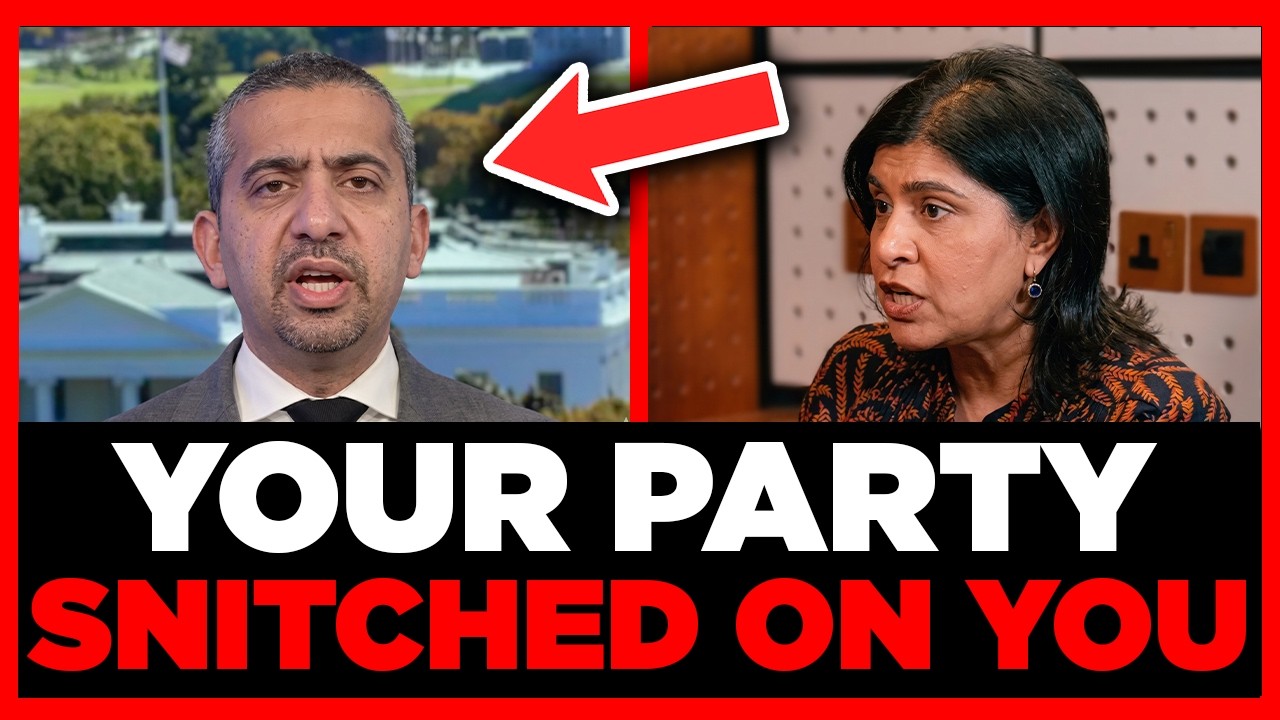
Baroness Warsi STUNS Mehdi Hasan With Brutal Conservative Party Confession
Posted
May 10, 2026
Views
17,949
Likes
366
Comments
82
Engagement
2.50%
May 10, 2026
17,949
366
82
2.50%
Every word spoken in this episode is indexed. Type any phrase to jump straight to the moment it was said.
Type any word or phrase that may have been spoken. Click a result to seek the player to that exact moment.
Try a name, a topic, or a quoted line
 17:14Now Playing
What happens when a senior Conservative minister publicly turns on her own party and calls it “institutionally Islamophobic” on record?
In this explosive and deeply uncomfortable conversation, Baroness Sayeeda Warsi — former UK Cabinet minister and the first Muslim woman to serve in a British government — sits down with journalist Mehdi Hasan for a rare inside look at identity, politics, and Islamophobia at the highest levels of British power.
What starts as a political discussion quickly turns into something far more personal and far more serious. Warsi speaks openly about the “poisoning of public discourse,” the long-term impact of media narratives about Muslims in Britain, and how years of rhetoric have shaped public attitudes, policy, and even violence on the streets.
She claims that the Conservative Party has shifted dramatically over the last two decades — arguing that today’s political environment forces many Muslims to “sanitize” their identity in order to rise within the party. Her remarks raise difficult questions about belonging, representation, and whether genuine diversity is possible inside major political institutions.
Mehdi Hasan presses her directly: why remain in a party she herself describes as institutionally Islamophobic? Warsi’s answer is uncompromising — she says she is “not prepared to leave the battlefield,” insisting that change only happens from within, even if it means constant internal conflict.
The conversation expands into wider political territory: the role of leadership, the influence of media narratives, the rise of anti-Muslim sentiment in British politics, and whether institutional structures themselves can produce biased outcomes even without explicit intent.
Warsi also reflects on the consequences of political language, warning that years of rhetoric have real-world effects — including distrust, polarization, and violence. She connects these trends to broader shifts in British society and raises concerns about whether political parties are willing to confront them honestly.
This interview is not just about party politics. It is about identity, power, and the cost of speaking openly inside institutions that resist self-criticism.
Whether you agree or disagree with her conclusions, this is a conversation that forces uncomfortable questions about representation, accountability, and the direction of modern British politics.
Watch closely — because what she says about the future of her party, and why she refuses to leave it, is where the real tension lies.
Drop your thoughts in the comments — where do you stand on this debate?
Sentinel Indexing in Progress
Metadata and chapters are available. Claim extraction for this episode is pending.
All video content is delivered via YouTube embedded players in accordance with the YouTube Terms of Service. Sentinel provides research tools that promote discovery and accountability across political media.