Elan Show
@elanshowofficial·28.6K subscribers·316 videos
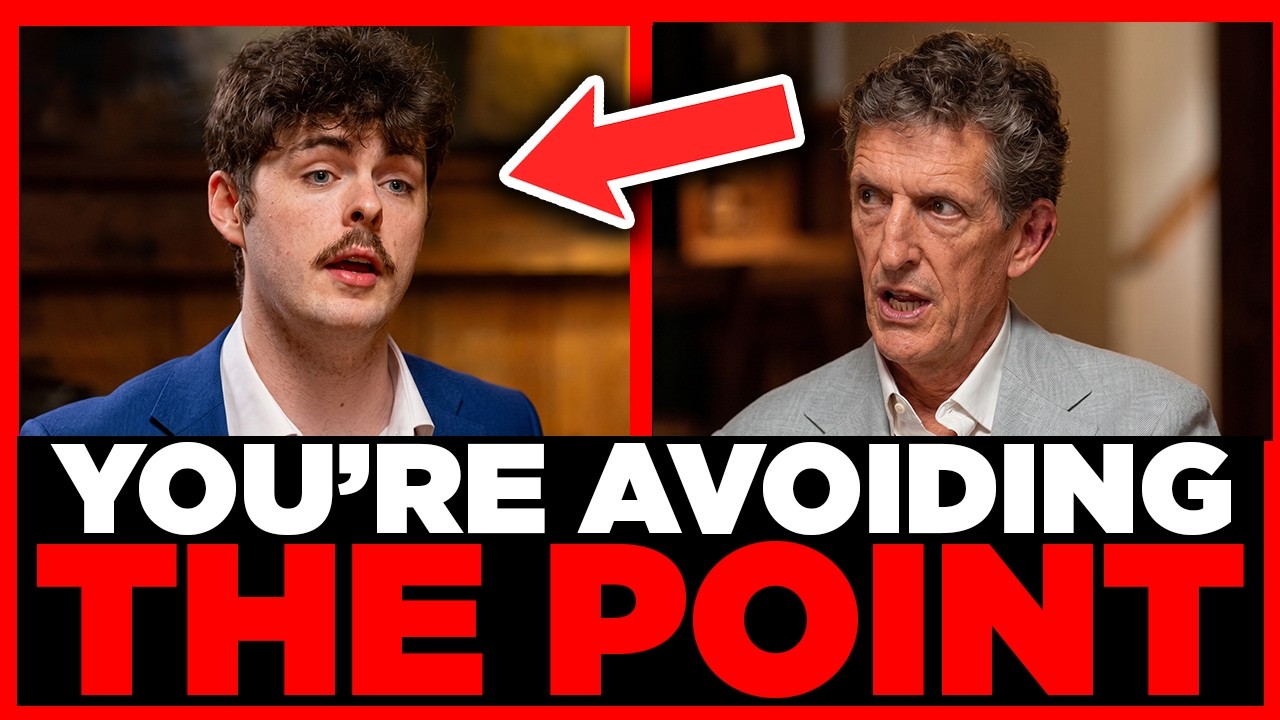
Adam Mockler SHUTS DOWN Conservative Student Over Tariff Debate
Posted
May 11, 2026
Views
5,474
Likes
176
Comments
35
Engagement
3.85%
May 11, 2026
5,474
176
35
3.85%
Every word spoken in this episode is indexed. Type any phrase to jump straight to the moment it was said.
Type any word or phrase that may have been spoken. Click a result to seek the player to that exact moment.
Try a name, a topic, or a quoted line
 20:46Now Playing
This video breaks down a heated political debate between conservative and liberal commentators over January 6th, political violence, and accountability in the United States. The discussion centers on claims regarding convicted January 6 defendants, including guilty pleas for assaulting law enforcement, obstruction, and sedition-related charges, and whether presidential pardons for these individuals are justified.
The conservative side argues that many January 6 participants were unfairly treated, questioning whether all defendants actually committed violent acts and suggesting inconsistencies in how political violence is judged depending on ideology. The liberal side counters with detailed references to federal convictions, guilty pleas, and documented injuries suffered by law enforcement officers, including reports of over 140 officers assaulted, hospitalizations, traumatic injuries, and long-term health consequences.
The debate intensifies as both sides clash over comparisons between January 6 and other political unrest, including protests and riots in previous years. A major point of contention is whether political leaders are sending “signals” through actions like pardons or public support for bail funds, and how those signals may influence future political behavior.
The conversation further expands into broader arguments about media framing, selective memory, and the role of evidence in political discourse. One side emphasizes institutional safeguards, court processes, and verified federal records, while the other raises concerns about perceived bias, unequal enforcement, and political double standards.
Economic policy comparisons are also introduced, contrasting Democratic proposals such as tax changes and social programs with Trump-era tariff policies. The discussion highlights disagreement over which policies would have the greater long-term economic impact and whether hypothetical legislation should be judged equally against already-implemented executive actions.
Ultimately, the debate exposes deep divisions in how each side interprets evidence, credibility, and institutional trust. It raises larger questions about political accountability, narrative framing, and whether modern political discourse is driven more by facts or ideological alignment.
This is a fast-moving, emotionally charged exchange that highlights how differently Americans interpret the same events, data, and political decisions.
Sentinel Indexing in Progress
Metadata and chapters are available. Claim extraction for this episode is pending.
All video content is delivered via YouTube embedded players in accordance with the YouTube Terms of Service. Sentinel provides research tools that promote discovery and accountability across political media.