Elan Show
@elanshowofficial·28.6K subscribers·316 videos
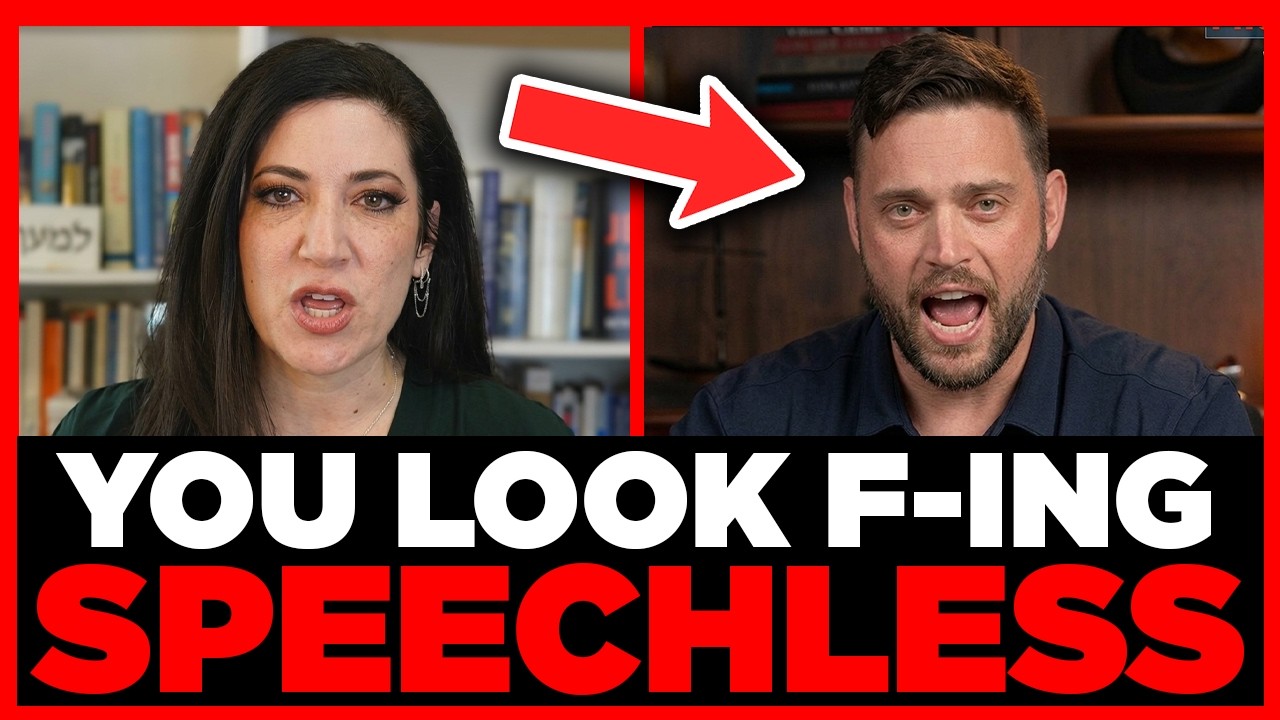
Black MAGA Supporter In Heated Debate With Brian H
Posted
May 13, 2026
Views
7,288
Likes
254
Comments
121
Engagement
5.15%
May 13, 2026
7,288
254
121
5.15%
Every word spoken in this episode is indexed. Type any phrase to jump straight to the moment it was said.
Type any word or phrase that may have been spoken. Click a result to seek the player to that exact moment.
Try a name, a topic, or a quoted line
 16:25Now Playing
This intense political debate dives into one of the most contested and emotionally charged topics in recent American history: the events of January 6th, the prosecution of those involved, and the broader question of political accountability in the United States.
In this exchange, Brian sits down with Austin Bratton, a public speaker and self-described Trump supporter who has expressed ambitions to one day run for president. What begins as a structured political discussion quickly escalates into a heated confrontation over pardons, criminal convictions, and what each side believes actually happened during the Capitol riot.
Brian presses Austin directly on a central question: how can someone defend the pardoning of individuals convicted of violent offenses against law enforcement, including those who pleaded guilty in federal court? According to publicly available records discussed in the conversation, hundreds of individuals were charged and convicted in connection with January 6th, including assault on law enforcement, obstruction of official proceedings, and other felony offenses.
Austin pushes back on the framing, arguing that legal guilt and actual wrongdoing are not always synonymous, and questioning how footage and events are being interpreted. He also references specific moments from the day, including the shooting of Ashli Babbitt and claims about officers “letting people in” during the chaos at the Capitol.
As the debate unfolds, Brian challenges Austin’s recollection of the events, particularly his claim that he did not see footage of police officers being assaulted. Brian cites widely reported incidents involving injured officers, hospitalizations, and long-term medical consequences suffered by law enforcement personnel, including traumatic brain injuries and cardiac events.
The discussion becomes increasingly tense as Brian highlights what he sees as selective memory and inconsistency in how certain events are remembered and interpreted. Austin maintains that he is being honest about what he personally saw and did not see, stating that he will adjust his views if presented with additional evidence.
At the core of the argument is a deeper philosophical divide: how people process politically charged events, how evidence is weighed against narrative, and whether selective exposure to information shapes political beliefs more than the facts themselves.
Brian argues that authenticity without accuracy is not sufficient in public political discourse, especially for someone aspiring to hold office. He emphasizes documented incidents of violence against law enforcement officers, including injuries sustained by more than a hundred officers during the Capitol breach, as critical context that cannot be overlooked.
Austin, meanwhile, raises concerns about media framing, selective reporting, and how political narratives are constructed around high-profile events. He challenges the idea that a single version of events is universally accepted, instead emphasizing his own interpretation based on what he has personally seen.
As tensions rise, the conversation shifts from specific incidents to broader questions about political polarization in the United States. Both sides accuse the other of bias, selective reasoning, and failing to engage fully with opposing evidence.
The result is a debate that reflects the larger national divide: two people looking at the same historical moment, yet drawing fundamentally different conclusions about responsibility, intent, and truth.
By the end of the conversation, viewers are left with a difficult question: is the disagreement about January 6th rooted in facts, interpretation, or something deeper in how political identity shapes perception itself?
This is not just a debate about one day in American history. It is a reflection of how modern political narratives are formed, defended, and contested in real time.
Sentinel Indexing in Progress
Metadata and chapters are available. Claim extraction for this episode is pending.
All video content is delivered via YouTube embedded players in accordance with the YouTube Terms of Service. Sentinel provides research tools that promote discovery and accountability across political media.