Minnesota Senate Media Services
@mnsenatemedia·10.8K subscribers·6.8K videos
Senate Passes Public Safety, Higher Education Funding Plans
Posted
March 29, 2017
Views
60
March 29, 2017
60
Every word spoken in this episode is indexed. Type any phrase to jump straight to the moment it was said.
Type any word or phrase that may have been spoken. Click a result to seek the player to that exact moment.
Try a name, a topic, or a quoted line
 2:45:14Now Playing
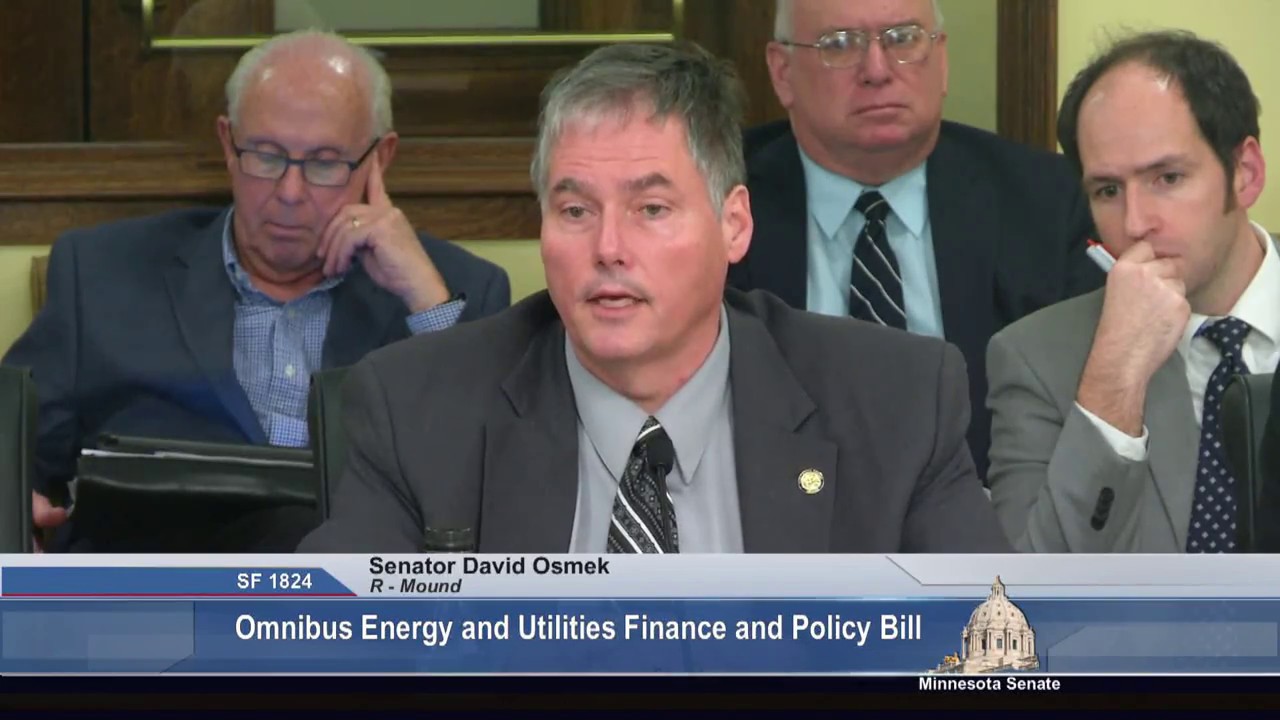
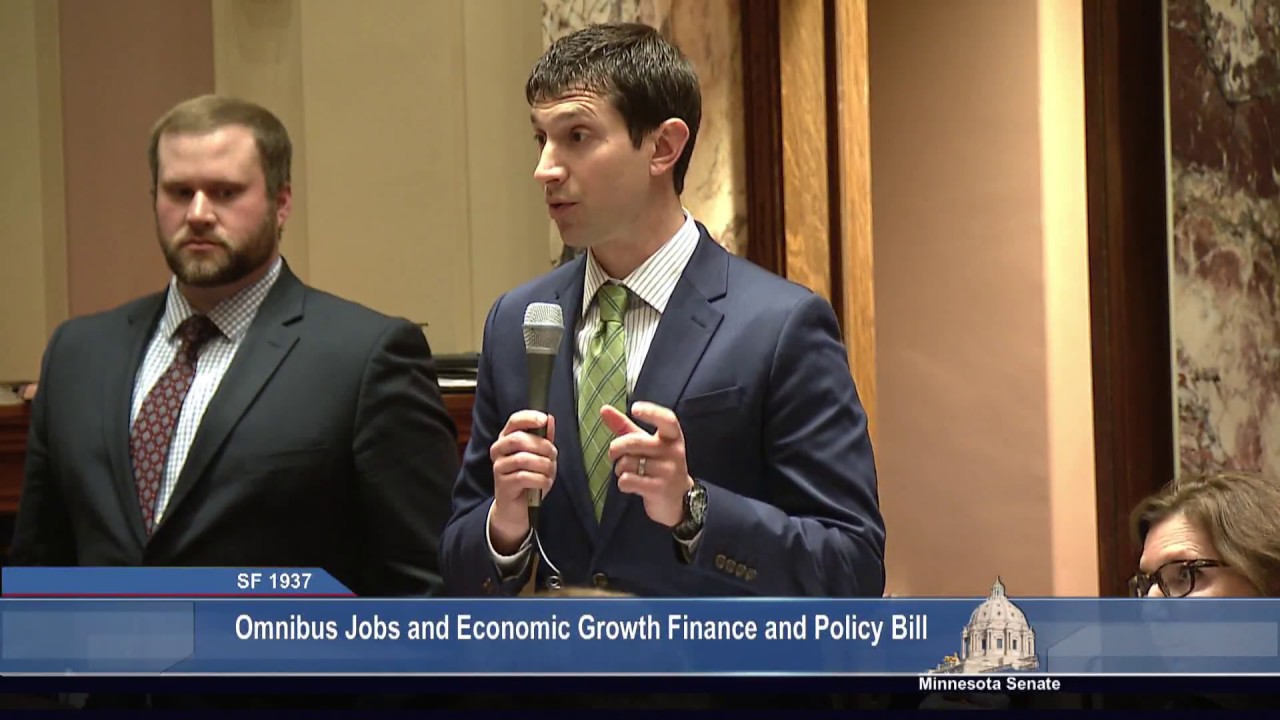
The Senate began finalizing its budget priorities with the passage Tuesday, March 28, of two major funding bills. One of the measures, sponsored by Senate Judiciary Chair Warren Limmer, R-Maple Grove, funds the judicial branch and the agencies and programs responsible for public safety. The second bill, sponsored by Higher Education Chair Michelle Fischbach, R-Paynesville, sets funding for Minnesota's two main post-secondary institutions, the University of Minnesota and the Minnesota State Colleges and University System. With a $1.6 billion dollar surplus, the Senate Republicans set a priority of allocating about $100 million dollars in additional funding for higher education and $59 million dollars more for the judiciary branch of government and public safety agencies.
The Senate plan for judiciary and public safety authorizes $2.3 billion dollars in spending for the two-year budget period beginning July 1, 2017. The bill dedicates $6 million dollars for the supervising of persons on probation. The Bureau of Criminal Apprehension (BCA) would receive $1.1 million dollars to hire additional lab and investigatory staff. FBI-trained bomb squads would be reimbursed $160,000 under the plan, and $1 million is aimed at fighting narcotics traffickers and gangs.
During the floor debate. lead DFL committee member Ron Latz, St. Louis Park, criticized the bill for failing to include money for salary increases. Senate Finance Chair Julie Rosen, R-Vernon Center, explained that the bill provides the full $24.9 million dollar request for state employees health care.
In the area of higher education, the Senate bill, sponsored by Senate Higher Education Chair Michelle Fischbach, R-Paynesville, allocates $3.17 billion dollars, which reflects $100 million dollars in new spending over the current two-year budget.
The bill would freeze tuition at Minnesota State Colleges and Universities statewide, while providing an additional $10 million dollars to the Minnesota State Grant program, which reduces tuition for students eligible for aid. Furthermore, the bill offers a loan forgiveness program to veterinarians practicing in rural areas and funding for programs aimed at filling positions in the state's senior-care and healthcare services.
Sentinel Indexing in Progress
Metadata and chapters are available. Claim extraction for this episode is pending.
All video content is delivered via YouTube embedded players in accordance with the YouTube Terms of Service. Sentinel provides research tools that promote discovery and accountability across political media.