Pillowquotes
@pillowquotes·20.1K subscribers·423 videos
Lao Tzu - PillowQuotes 🚀
Posted
September 29, 2024
Views
6,254
Likes
13
Engagement
0.21%
September 29, 2024
6,254
13
0.21%
Every word spoken in this episode is indexed. Type any phrase to jump straight to the moment it was said.
Type any word or phrase that may have been spoken. Click a result to seek the player to that exact moment.
Try a name, a topic, or a quoted line
 1:05Now Playing
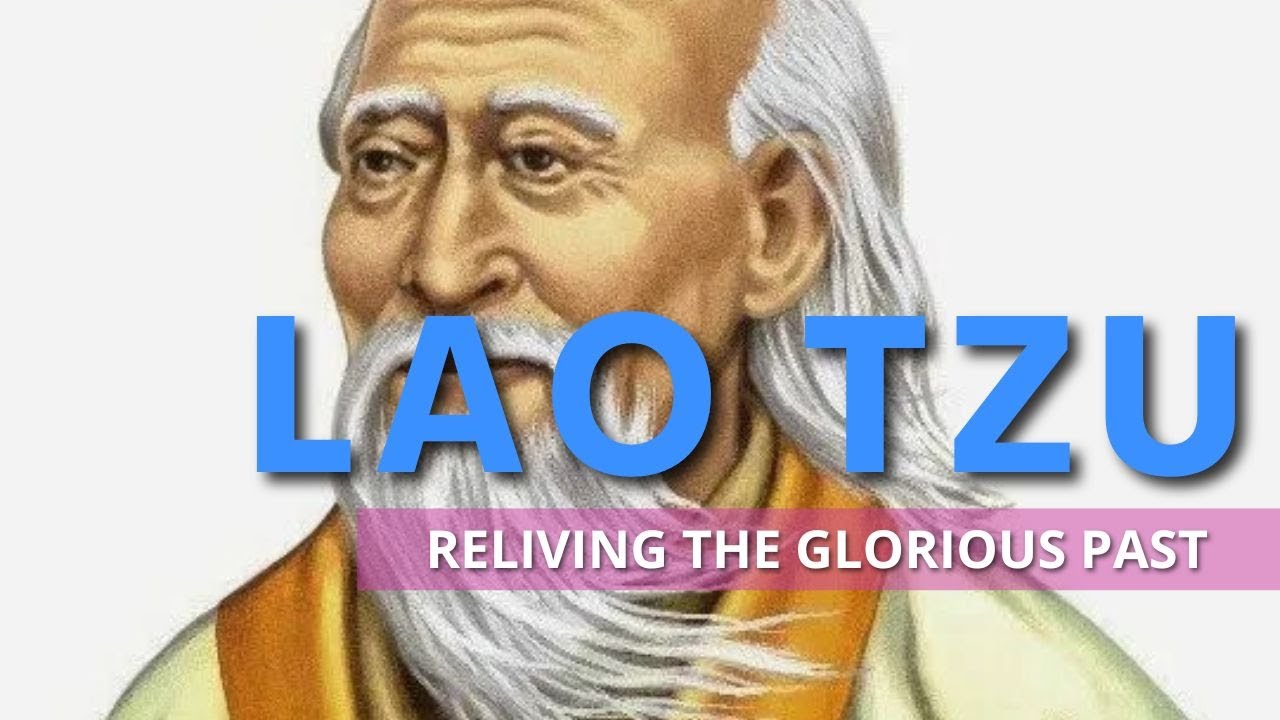
Famous Quote by Lao Tzu, He who conquers others is strong; He who conquers himself is mighty.
Laozi, also romanized as Lao Tzu and various other ways, was a semi-legendary ancient Chinese philosopher, author of the Tao Te Ching, the foundational text of Taoism along with the Zhuangzi. Laozi is a Chinese honorific, typically translated as "the Old Master".
Modern scholarship generally regards his biographical details as invented, and his opus a collaboration. Traditional accounts say he was born as Li Er in the state of Chu in the 6th century BC during China's Spring and Autumn period, served as the royal archivist for the Zhou court at Wangcheng (in modern Luoyang), met and impressed Confucius on one occasion, and composed the Tao Te Ching in a single session before retiring into the western wilderness.
A central figure in Chinese culture, Laozi is generally considered the founder of Taoism. He was claimed and revered as the ancestor of the 7th–10th century Tang dynasty and is similarly honored in modern China as the progenitor of the popular surname Li. In some sects of Taoism, Chinese Buddhism, Confucianism, and Chinese folk religion, it is held that he then became an immortal hermit. Certain Taoist devotees held that the Tao Te Ching was the avatar – embodied as a book – of the god Laojun, one of the Three Pure Ones of the Taoist pantheon, though few philosophers believe this.
The Tao Te Ching had a profound influence on Chinese religious movements and on subsequent Chinese philosophers, who annotated, commended, and criticized the texts extensively. In the 20th century, textual criticism by modern historians led to theories questioning Laozi's timing or even existence, positing that the received text of the Tao Te Ching was not composed until the 4th century BC Warring States period, and was the product of multiple authors.
✅ Please subscribe if you want to see more of this videos.
👍 Thumbs Up if you like this video.
Thank you! ❤️❤️❤️
#laotzu #laotzuphilosophy #aboutlaotzu #chinesephilosophertzu #confuciusandlaotzu #laot #pillowquotes #pillow
----------------------------------------------------------------------------------
🎧 Music:
www.youtube.com/audiolibrary/music
----------------------------------------------------------------------------------
➡️ Images:
All the images are copyright free.
© All the footages are under Creative Commons License and Fair Use Law. However, if any content owners would like their images removed, please contact us by email at dailyquotesbest@gmail.com
Sentinel Indexing in Progress
Metadata and chapters are available. Claim extraction for this episode is pending.
All video content is delivered via YouTube embedded players in accordance with the YouTube Terms of Service. Sentinel provides research tools that promote discovery and accountability across political media.