Elan Show
@elanshowofficial·28.6K subscribers·316 videos
Destiny DESTROYS MAGA Supporter's Entire Argument on Due Process in Front of Live Audience
Posted
May 1, 2026
Views
16,061
Likes
410
Comments
92
Engagement
May 1, 2026
16,061
410
92
3.13%
Every word spoken in this episode is indexed. Type any phrase to jump straight to the moment it was said.
Type any word or phrase that may have been spoken. Click a result to seek the player to that exact moment.
Try a name, a topic, or a quoted line
 15:59Now Playing
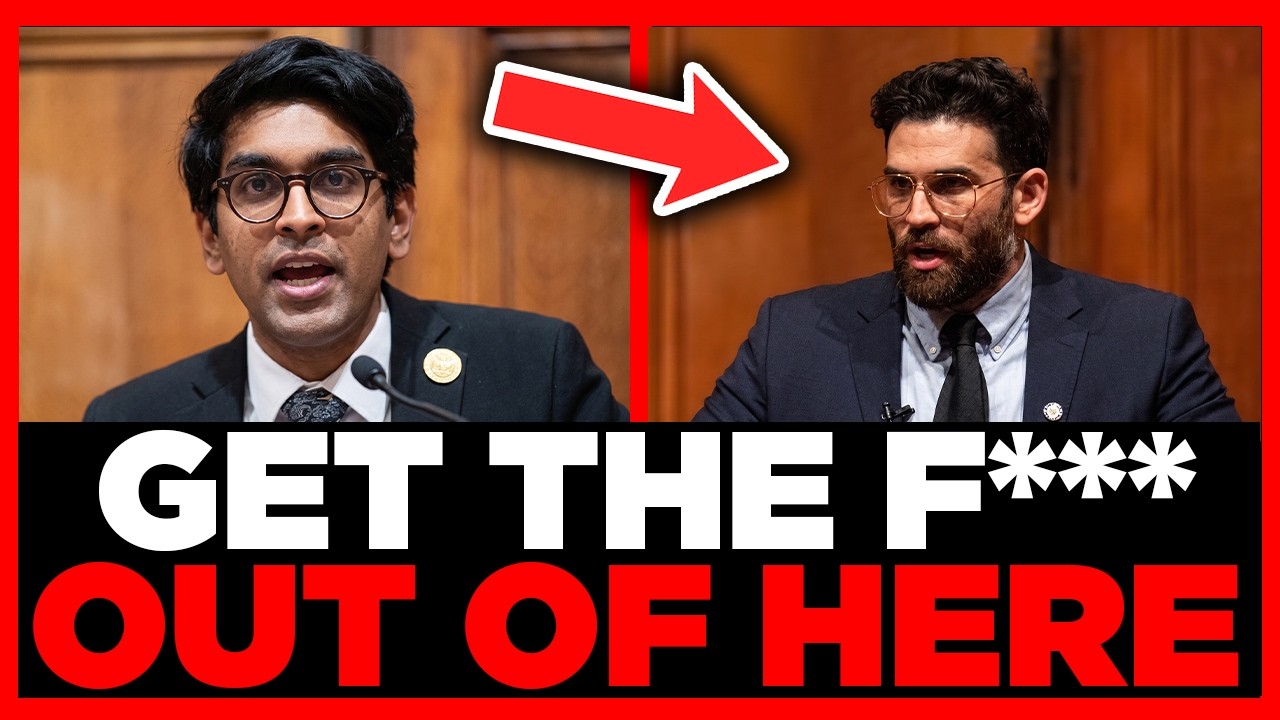
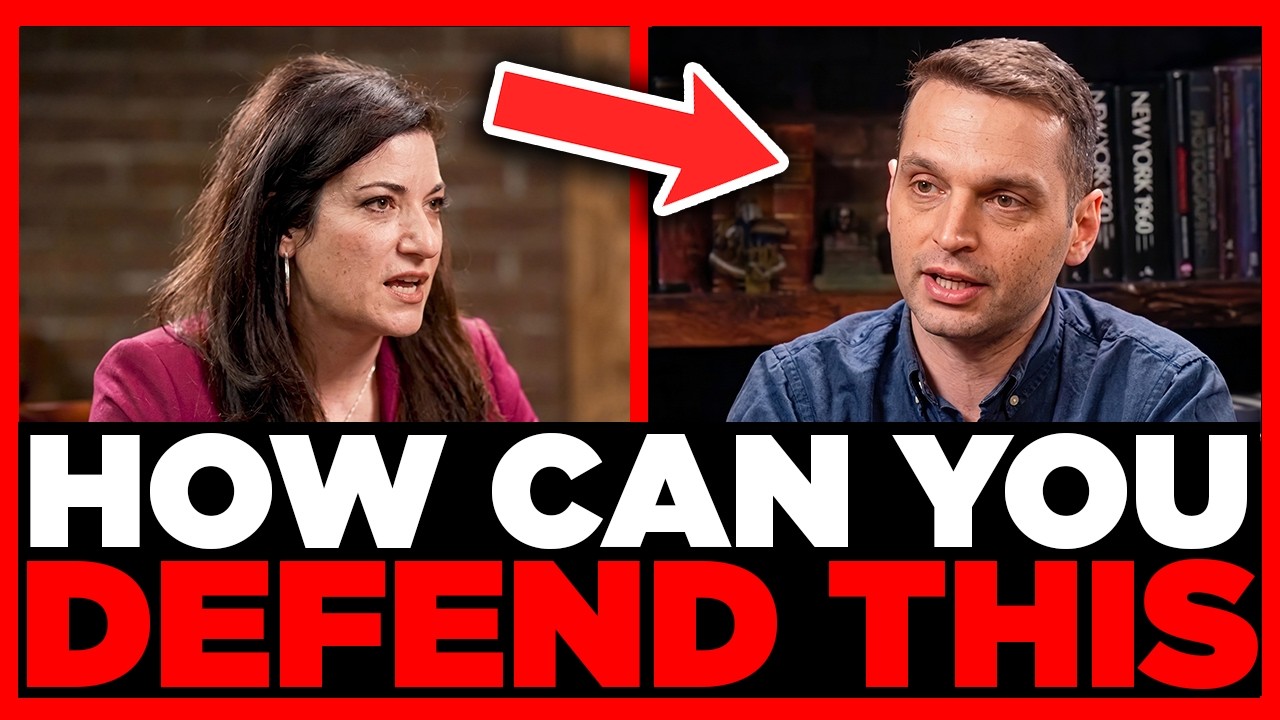
In this heated political debate, popular commentator Destiny joins a high-intensity discussion with a group of conservative voices including Batya Ungar-Sargon, Patrick, and other panel debaters to break down some of the most controversial issues in modern political discourse. The conversation quickly escalates into a deep clash over immigration enforcement, due process, executive authority, foreign policy strategy, and the role of legal institutions in shaping national decisions.
At the center of the debate is a sharp disagreement over how immigration laws should be enforced and whether expedited deportation processes respect constitutional protections such as habeas corpus and due process. One side argues that strict enforcement and fast removal of undocumented individuals represents necessary national control and legal integrity. The opposing perspective pushes back, warning that bypassing established legal safeguards risks undermining civil liberties and sets a dangerous precedent for government overreach.
As tensions rise, the debate shifts into a broader philosophical argument about the meaning of legality itself. Destiny challenges claims that executive power can override court processes during declared emergencies, while conservative debaters argue that national security concerns justify expanded authority. This leads to a deeper discussion about whether emergency declarations strengthen governance or weaken institutional checks and balances.
Batya Ungar-Sargon, speaking from a political journalism and commentary perspective, contributes to the discussion by defending the idea that strong executive action can be necessary during periods of crisis. Her position is met with strong resistance, particularly when the conversation turns to legal definitions such as habeas corpus, where misunderstandings spark one of the most memorable exchanges of the debate.
The discussion also expands into foreign policy analysis, including ongoing geopolitical tensions, global trade disruptions, and military engagement strategies. Patrick raises concerns about escalating conflict scenarios and their economic consequences, particularly in relation to global supply chains and energy routes. Batya counters by arguing that current strategies are producing strategic gains, while critics question whether these outcomes justify the risks and long-term instability.
Another major segment of the debate focuses on Ukraine war policy, military spending, and the influence of the military-industrial complex. The panel debates whether prolonged conflicts are driven by strategic necessity or systemic incentives that prioritize defense economics over rapid resolution. This leads to a broader reflection on whether political leaders can realistically fulfill promises of quick conflict resolution in complex international wars.
Throughout the discussion, Destiny emphasizes patterns in political accountability, pointing out inconsistencies in how different administrations and political groups are judged for similar actions. Meanwhile, conservative participants argue that selective criticism distorts public perception and ignores broader historical comparisons in governance.
What makes this debate especially engaging is how quickly it moves from legal theory into real-world consequences. Immigration policy, foreign military strategy, constitutional rights, and executive authority all intersect in a single conversation that reveals how divided interpretations of law and governance can shape entirely different visions of national leadership.
Viewers are encouraged to pay close attention to how definitions, assumptions, and selective examples influence each argument. The debate raises important questions: How should emergency powers be used? Where is the line between security and civil liberty? And who gets to define what “legal” truly means in modern governance?
Join the discussion in the comments section. Share your perspective on immigration policy, executive authority, due process, and foreign policy decision-making. Do you think governments are striking the right balance between security and rights, or is that balance being pushed too far in one direction?
Sentinel Indexing in Progress
Metadata and chapters are available. Claim extraction for this episode is pending.
All video content is delivered via YouTube embedded players in accordance with the YouTube Terms of Service. Sentinel provides research tools that promote discovery and accountability across political media.