Elan Show
@elanshowofficial·28.6K subscribers·316 videos
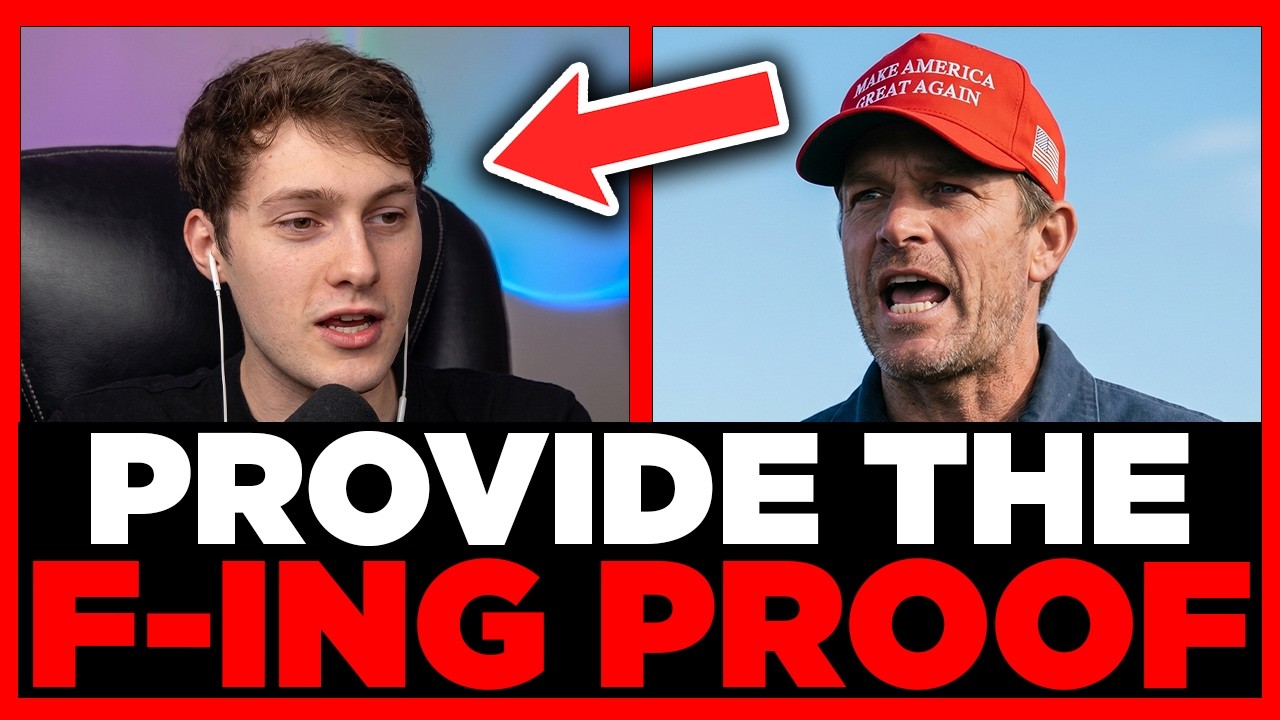
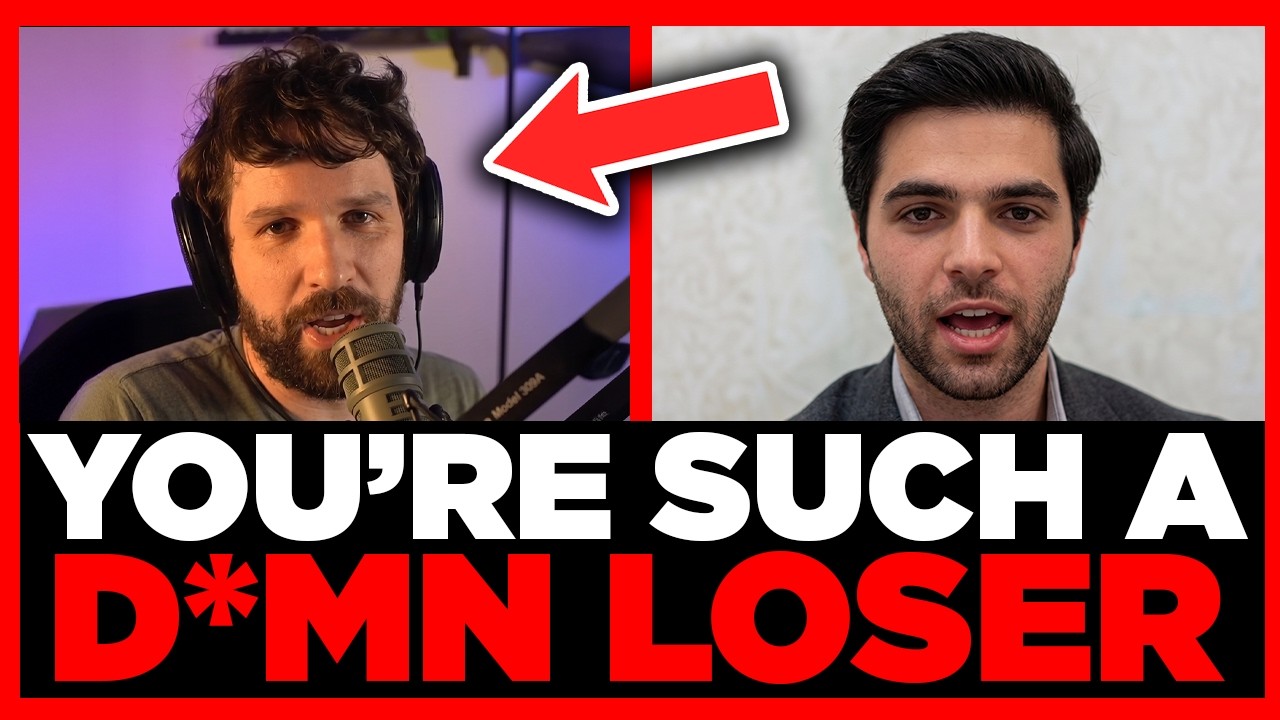
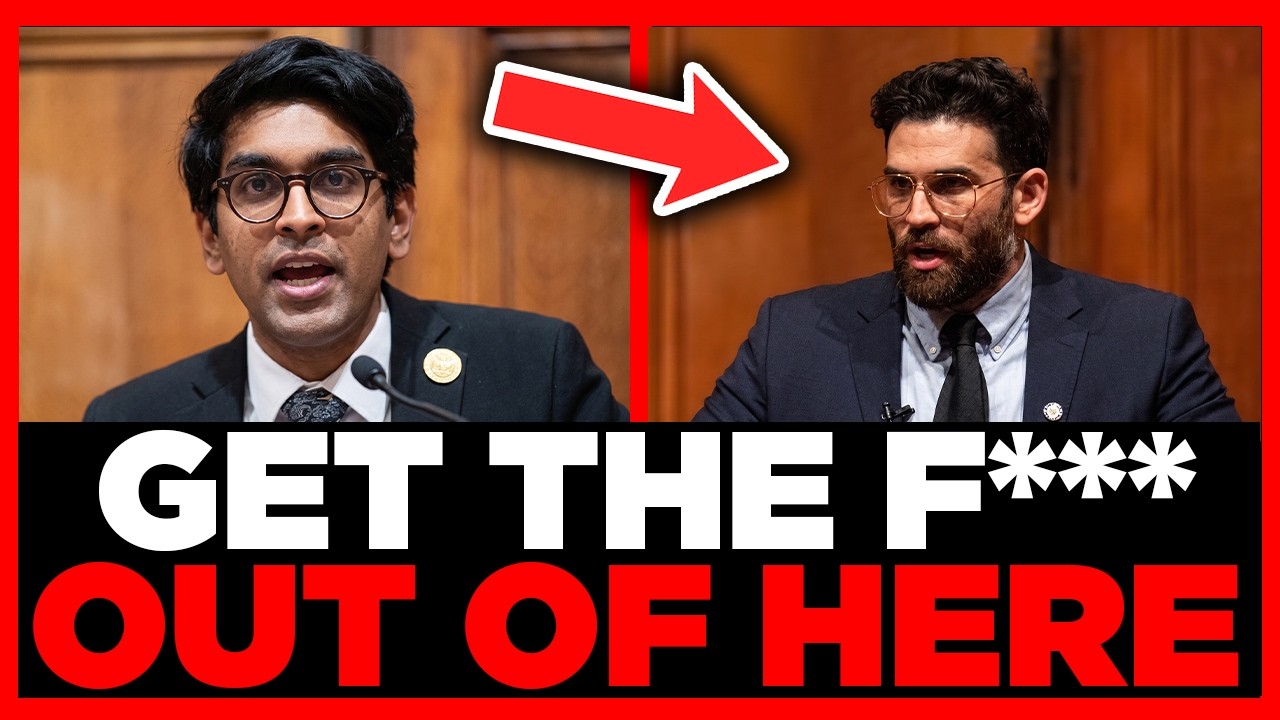
Dan Bilzerian EXPOSES MAGA Corruption and GOES AFTER MAGA Congressman Randy Fine
Posted
April 26, 2026
Views
15,740
Likes
467
Comments
112
Engagement
April 26, 2026
15,740
467
112
3.68%
Every word spoken in this episode is indexed. Type any phrase to jump straight to the moment it was said.
Type any word or phrase that may have been spoken. Click a result to seek the player to that exact moment.
Try a name, a topic, or a quoted line
 18:42Now Playing
In this explosive political interview, Dan Bilzerian joins Kim Iverson for a wide-ranging and deeply controversial discussion that dives into the state of modern politics, media influence, and the growing divide between political elites and everyday voters. This conversation goes far beyond surface-level talking points, offering a raw look at ideological shifts, outsider campaigns, and the frustration many feel toward the current system.
Dan Bilzerian, widely known as a social media personality turned congressional candidate, lays out his case against establishment politics while explaining why he chose to run for office. Facing off against Randy Fine in Florida, Bilzerian frames his campaign as a challenge to what he يرى as a corrupt and donor-driven political structure. Kim Iverson, known for her independent political commentary, pushes back throughout the interview—questioning his credibility, motives, and whether voters can trust yet another outsider promising reform.
A major theme of the debate centers on the idea that traditional left vs right divisions may be overstated. Bilzerian argues that both ends of the political spectrum are beginning to converge on key issues like government accountability, foreign policy concerns, and economic struggles facing working-class citizens. This “horseshoe theory” perspective sparks a broader discussion about whether ideological labels are being used to divide the public while political elites maintain control.
The interview also explores the influence of major donors, lobbying groups, and media ecosystems. Bilzerian claims that many politicians prioritize fundraising and donor relationships over actual governance, even referencing how public perception of elected officials aligns with this reality. Iverson challenges him on these assertions, asking whether his campaign offers real solutions or simply mirrors the same populist rhetoric seen in other movements.
Another key topic is the role of media figures and influencers in shaping public opinion. Names like Tucker Carlson, Megyn Kelly, and Candace Owens come up as examples of personalities who hold significant sway over political narratives. The discussion raises important questions about coordination in media messaging, the independence of political commentary, and how audiences consume information in an increasingly polarized environment.
Throughout the conversation, Bilzerian makes bold claims about the future of the country, warning about surveillance, government overreach, and what he يرى as a narrowing window for political change. Iverson responds with skepticism but also acknowledges a growing sense of distrust among voters who feel repeatedly let down by elected officials. This tension creates one of the most compelling aspects of the interview—an honest reflection of public frustration and political fatigue.
The debate ultimately highlights a deeper issue: trust. Can voters বিশ্বাস new candidates who promise reform? Are outsider campaigns genuinely different, or do they eventually become part of the same system they criticize? And perhaps most importantly, are citizens becoming too disengaged to create meaningful change?
This video is not just about one candidate or one election—it’s about the broader political landscape, the power structures behind it, and the cultural conversation shaping modern democracy. Whether you agree or disagree with the perspectives shared, this discussion offers valuable insight into the current state of political discourse.
Join the conversation in the comments: Do you think outsider candidates can truly change the system? Are media figures helping inform the public or contributing to division? What issues matter most to you right now?
If you found this breakdown insightful, don’t forget to like, share, and subscribe for more in-depth political analysis, debate coverage, and commentary on today’s most important topics.
Sentinel Indexing in Progress
Metadata and chapters are available. Claim extraction for this episode is pending.
All video content is delivered via YouTube embedded players in accordance with the YouTube Terms of Service. Sentinel provides research tools that promote discovery and accountability across political media.