Elan Show
@elanshowofficial·28.6K subscribers·316 videos
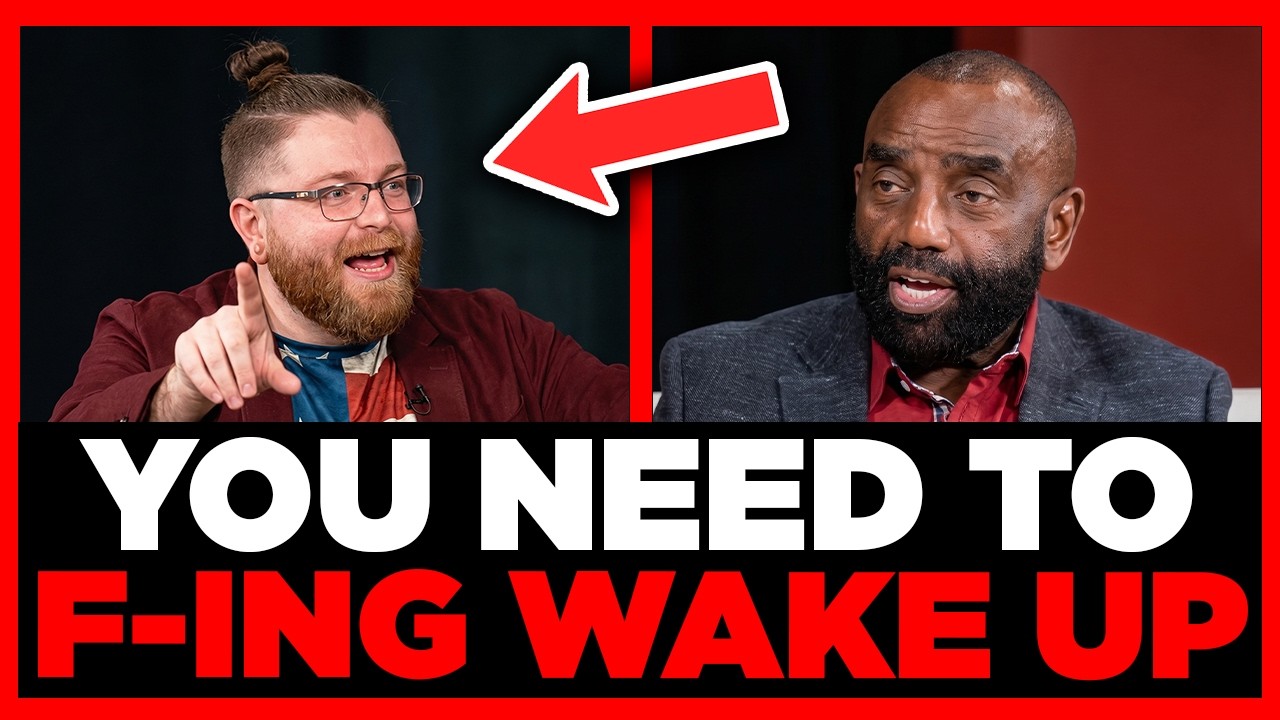
MAGA Supporter MELTS DOWN as Parkergetajob DROPS TRUTH BOMB on Native-Born Unemployment Rate
Posted
April 26, 2026
Views
2,229
Likes
39
Comments
14
Engagement
April 26, 2026
2,229
39
14
2.38%
Every word spoken in this episode is indexed. Type any phrase to jump straight to the moment it was said.
Type any word or phrase that may have been spoken. Click a result to seek the player to that exact moment.
Try a name, a topic, or a quoted line
 14:48Now Playing
In this heated political debate, a conservative commentator and a liberal analyst go head-to-head over immigration policy, labor statistics, and economic performance in the United States. The discussion takes place in a fast-paced, high-pressure exchange where claims about employment trends, border policy, and hiring practices are directly challenged with official data from sources such as the Bureau of Labor Statistics and broader economic reports.
At the center of the debate is a disagreement over whether “American-born employment” is rising and what that actually means in real economic terms. The conservative speaker argues that employment outcomes for native-born citizens are improving and suggests that hiring practices should prioritize citizens born in the country. This leads into a broader discussion about fairness in the labor market, public sector hiring, and whether identity should play any role in employment decisions.
On the opposing side, the liberal speaker challenges both the accuracy and interpretation of these claims. Using labor data, including unemployment rate shifts and broader employment statistics, they argue that the narrative being presented does not match official economic indicators. The discussion highlights the difference between nominal employment numbers and employment rates, emphasizing how selective interpretation of data can create misleading conclusions about economic performance.
The conversation becomes more intense as it shifts toward workplace demographics, diversity hiring, and accusations about preferential treatment in certain industries and public agencies. The conservative speaker raises concerns about hiring patterns within organizations, while the liberal response questions whether these observations are evidence of systemic discrimination or simply anecdotal experiences without statistical backing.
A key theme throughout the debate is the tension between personal observation and verified data. The liberal speaker repeatedly pushes for credible sourcing, referencing institutional economic data rather than press statements or political speeches. This creates a broader discussion about media literacy, political messaging, and how public perception of the economy is shaped.
As the exchange escalates, the argument also touches on broader cultural questions about immigration, integration, and fairness in employment systems. Both sides attempt to define what “fairness” means in a modern labor market, with one emphasizing protection of domestic workers and the other focusing on equal treatment for all legal residents regardless of origin.
This debate ultimately becomes more than just a disagreement over numbers—it reflects a deeper ideological divide about how economic data should be interpreted, how immigration policy intersects with labor markets, and what role government and institutions should play in regulating fairness in employment.
For viewers interested in political debate analysis, immigration policy discussion, labor economics, and real-time fact-checking exchanges, this video provides a clear example of how data, ideology, and personal experience collide in modern discourse.
Let us know your thoughts in the comments—do you think employment trends are being interpreted correctly, or are statistics being framed to support pre-existing political beliefs? Join the discussion and share your perspective.
Sentinel Indexing in Progress
Metadata and chapters are available. Claim extraction for this episode is pending.
All video content is delivered via YouTube embedded players in accordance with the YouTube Terms of Service. Sentinel provides research tools that promote discovery and accountability across political media.