Elan Show
@elanshowofficial·28.6K subscribers·316 videos
Marjorie Taylor Greene TORCHES MAGA Over Online Memes, International Tensions & Public Controversies
Posted
April 28, 2026
Views
2,665
Likes
66
Comments
13
Engagement
April 28, 2026
2,665
66
13
2.96%
Every word spoken in this episode is indexed. Type any phrase to jump straight to the moment it was said.
Type any word or phrase that may have been spoken. Click a result to seek the player to that exact moment.
Try a name, a topic, or a quoted line
 15:36Now Playing
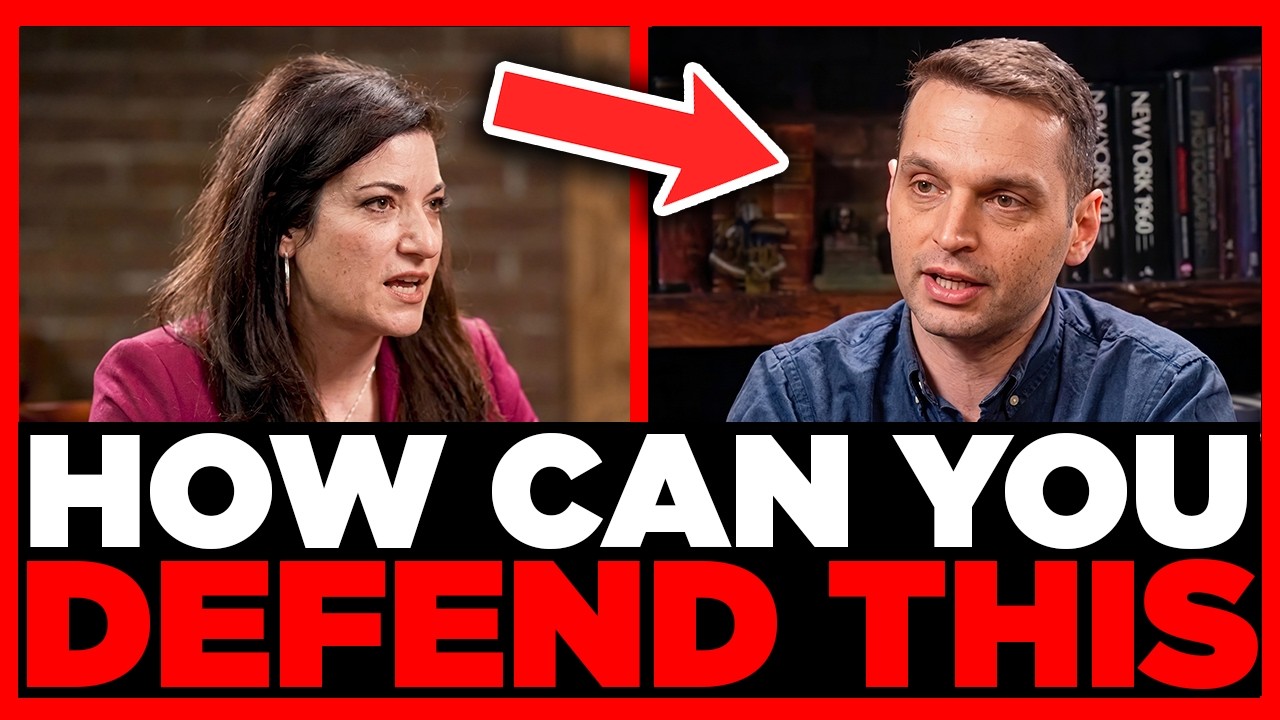
In this episode of Piers Morgan Uncensored, former Congresswoman Marjorie Taylor Greene joins Piers Morgan for a wide-ranging and emotionally charged conversation that touches on foreign policy, domestic economic struggles, institutional trust, and the growing tensions inside American politics. The discussion quickly moves beyond typical talking points and into deeper questions about war, leadership accountability, and the direction of U.S. decision-making on the global stage.
At the center of the interview is the escalating conflict involving Iran and the broader concerns about military engagement abroad. Marjorie Taylor Greene expresses strong opposition to continued escalation, arguing that many Americans are more concerned with rising inflation, cost of living pressures, healthcare affordability, homelessness, and national debt than with expanding foreign conflicts. She emphasizes that younger generations are struggling with financial stability and long-term hope, framing domestic issues as the real crisis facing the country.
A key moment in the discussion occurs when Piers Morgan presents a public statement originally attributed to a foreign diplomatic source referencing American social and economic challenges. Surprisingly, Greene agrees with the substance of the statement, reinforcing her position that U.S. leadership should prioritize domestic well-being over international escalation. This moment becomes a turning point in the conversation, highlighting how political messaging can cross ideological and national boundaries when focused on shared human concerns.
The interview also explores Greene’s personal political shift and her strained relationship with the current administration she once strongly supported. She describes being called a traitor, facing internal political pressure, and ultimately stepping away from congressional responsibilities. Greene argues that internal political institutions are suffering from low public trust and claims that elected officials are increasingly disconnected from the everyday struggles of citizens.
Tensions rise further when the White House response to her public criticism is discussed, including personal attacks aimed at discrediting her character. Greene responds by focusing on policy disagreements rather than personal insults, reinforcing her claim that political debate has become increasingly hostile and unproductive.
The conversation takes a more philosophical turn when religious imagery, faith, and moral leadership are introduced. Greene, speaking from a Catholic perspective, criticizes the use of religious symbolism in political communication, arguing that it risks undermining spiritual meaning and public trust. She suggests that religious leaders traditionally oppose war and emphasizes historical examples where major religious figures have spoken against military conflict.
One of the most striking parts of the interview comes when Greene recounts a private phone call with the president, describing a tense exchange involving political pressure and concerns about political loyalty. She frames this moment as evidence of escalating internal division and highlights the emotional intensity behind high-level political disagreements.
Throughout the discussion, Piers Morgan guides a broader exploration of American political polarization, the role of media framing, and the growing divide between populist movements and institutional governance. The panel ultimately raises deeper questions about accountability, transparency, and whether current political systems adequately represent public priorities.
This episode invites viewers to reflect on how foreign policy decisions intersect with domestic realities, and whether modern political discourse is still capable of addressing complex issues without falling into personal conflict or ideological extremes. The conversation remains highly relevant for anyone interested in U.S. politics, international relations, media influence, and the future of democratic debate.
Viewers are encouraged to share their perspectives in the comments: Do you think political leaders are focusing enough on domestic issues? How should governments balance foreign policy with internal economic challenges? And has political discourse become too polarized to solve real problems effectively?
Sentinel Indexing in Progress
Metadata and chapters are available. Claim extraction for this episode is pending.
All video content is delivered via YouTube embedded players in accordance with the YouTube Terms of Service. Sentinel provides research tools that promote discovery and accountability across political media.