Elan Show
@elanshowofficial·28.6K subscribers·316 videos
Andrew Wilson PANICS as Soy Pill FACT CHECKED Him LIVE on Political Violence
Posted
April 29, 2026
Views
54,358
Likes
1,081
Comments
500
Engagement
2.91%
April 29, 2026
54,358
1,081
500
2.91%
Every word spoken in this episode is indexed. Type any phrase to jump straight to the moment it was said.
Type any word or phrase that may have been spoken. Click a result to seek the player to that exact moment.
Try a name, a topic, or a quoted line
 15:21Now Playing
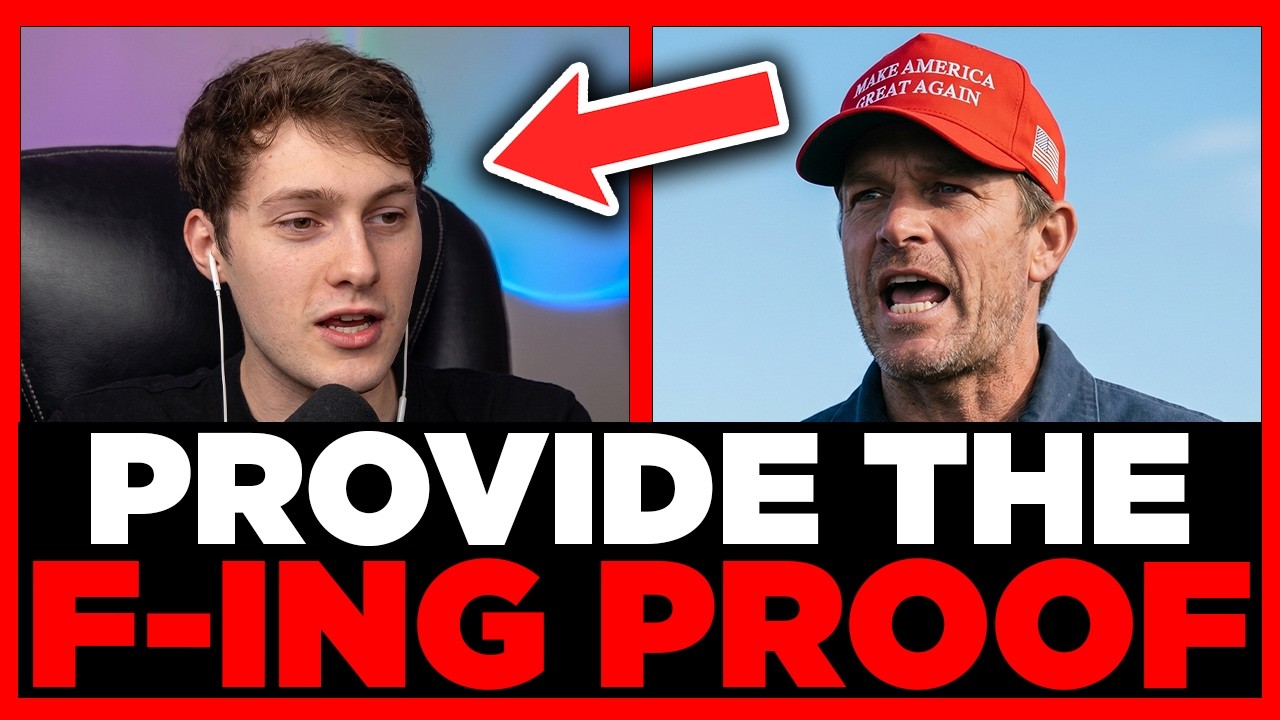
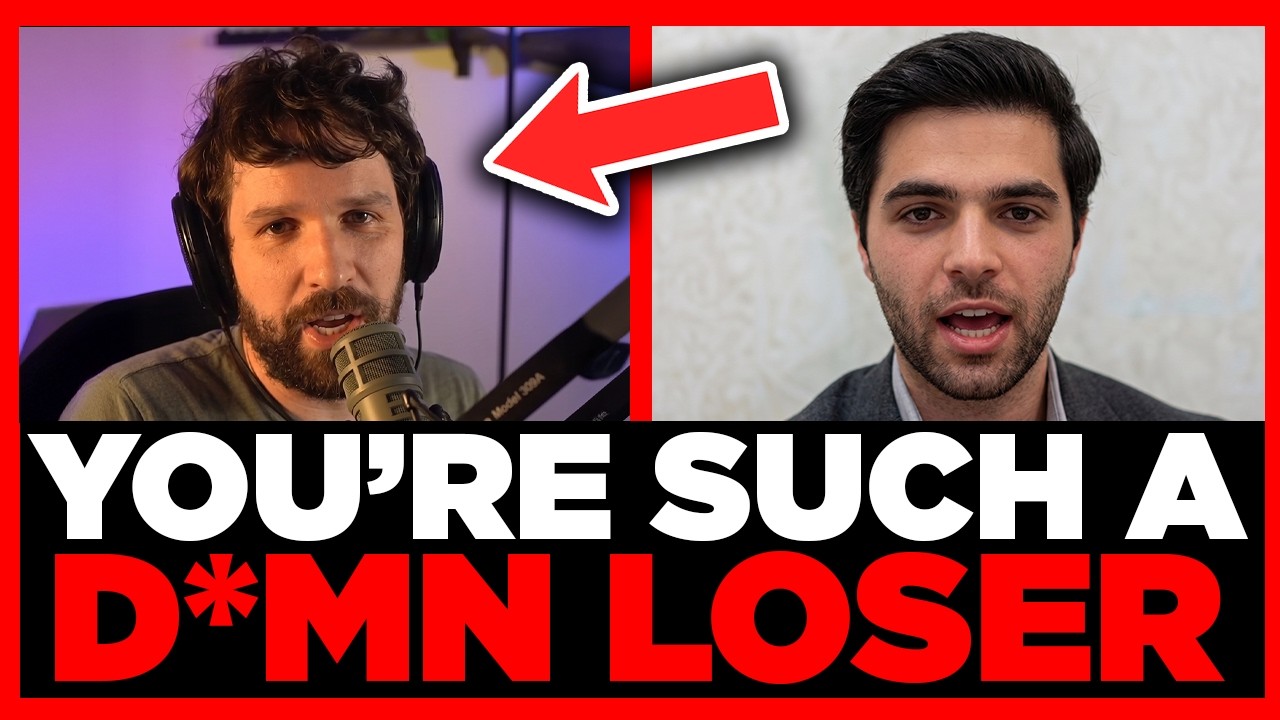
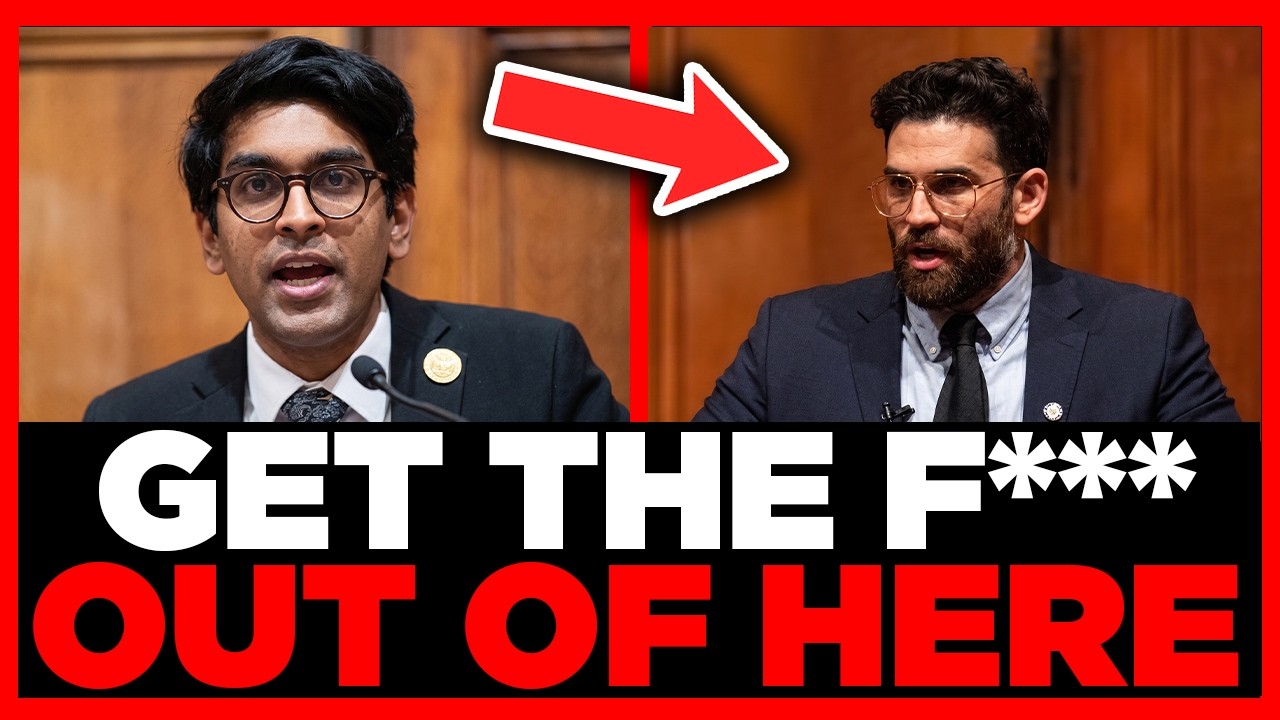
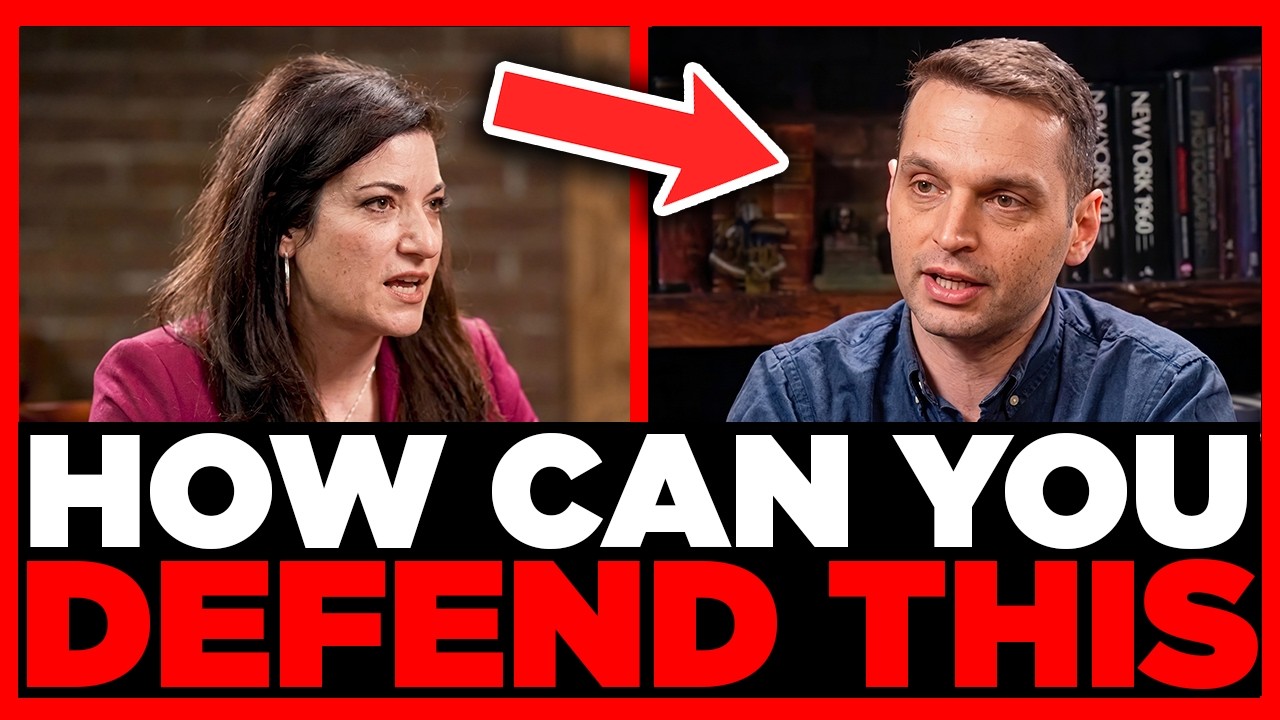
This debate gets intense fast. In this video, we break down a heated political panel featuring Soy Pill, Andrew Wilson, Vince Wilson, and UC Berkeley student John Paul, all clashing over one of the most controversial questions in modern political discourse: which side is more responsible for political violence in America?
At the center of the discussion is a data-driven argument versus a rhetorical one. Soy Pill comes prepared with research from the Center for Strategic and International Studies (CSIS), a respected policy institution often cited in national security and political analysis. He argues that empirical studies consistently show a higher share of politically motivated violence linked to right-wing extremism. On the other side, Andrew Wilson challenges the validity of these studies, questioning how “left-wing” and “right-wing” violence are defined and whether the classifications themselves are flawed.
This is where the debate takes a sharp turn. Instead of directly engaging with the data, Andrew pivots toward questioning methodology, raising concerns about bias, omissions, and definitions. The conversation shifts into a broader argument about how political violence is categorized—whether property destruction during protests should count, and how individual cases are labeled ideologically.
One of the most pivotal moments comes when Andrew references the Daryl Brooks case during his opening argument. Soy Pill and Vince Wilson immediately press him to explain how that case supports his claim. What follows is a tense exchange that highlights a key issue in online political debates: the importance of being able to defend the examples you bring up. This moment becomes a turning point, as Andrew struggles to clearly connect his reference back to his broader argument, leading to visible frustration and a breakdown in productive dialogue.
Meanwhile, John Paul attempts to reframe the conversation by emphasizing the scale and scope of unrest, particularly focusing on large protest movements and how they are perceived differently across political lines. This introduces another layer to the debate: is political violence best understood through isolated incidents, or through broader patterns of unrest and rhetoric?
Throughout the discussion, a recurring theme emerges—how definitions shape conclusions. Academic research typically distinguishes between organized, ideologically motivated violence and spontaneous or opportunistic acts like rioting or looting. This distinction becomes a major point of contention, with both sides accusing the other of applying inconsistent standards.
The debate also touches on leadership rhetoric and accountability. Soy Pill points to public statements from political leaders condemning violence, arguing that consistent denunciation matters when evaluating political responsibility. In contrast, others question whether those condemnations are meaningful or selective.
This video doesn’t just present the arguments—it breaks them down so you can better understand the logic, the strategies, and the weaknesses on each side. Whether you’re interested in political debates, online discourse, or the broader conversation around extremism and accountability, this is a discussion worth watching closely.
What do you think? Are current studies on political violence reliable, or are they shaped too heavily by how researchers define their terms? Should property damage be considered political violence, or is that a separate category entirely? And which arguments in this debate actually held up under pressure?
Drop your thoughts in the comments, join the discussion, and don’t forget to like and subscribe for more in-depth breakdowns of viral debates, political commentary, and ideological clashes.
Sentinel Indexing in Progress
Metadata and chapters are available. Claim extraction for this episode is pending.
All video content is delivered via YouTube embedded players in accordance with the YouTube Terms of Service. Sentinel provides research tools that promote discovery and accountability across political media.