Elan Show
@elanshowofficial·28.6K subscribers·316 videos
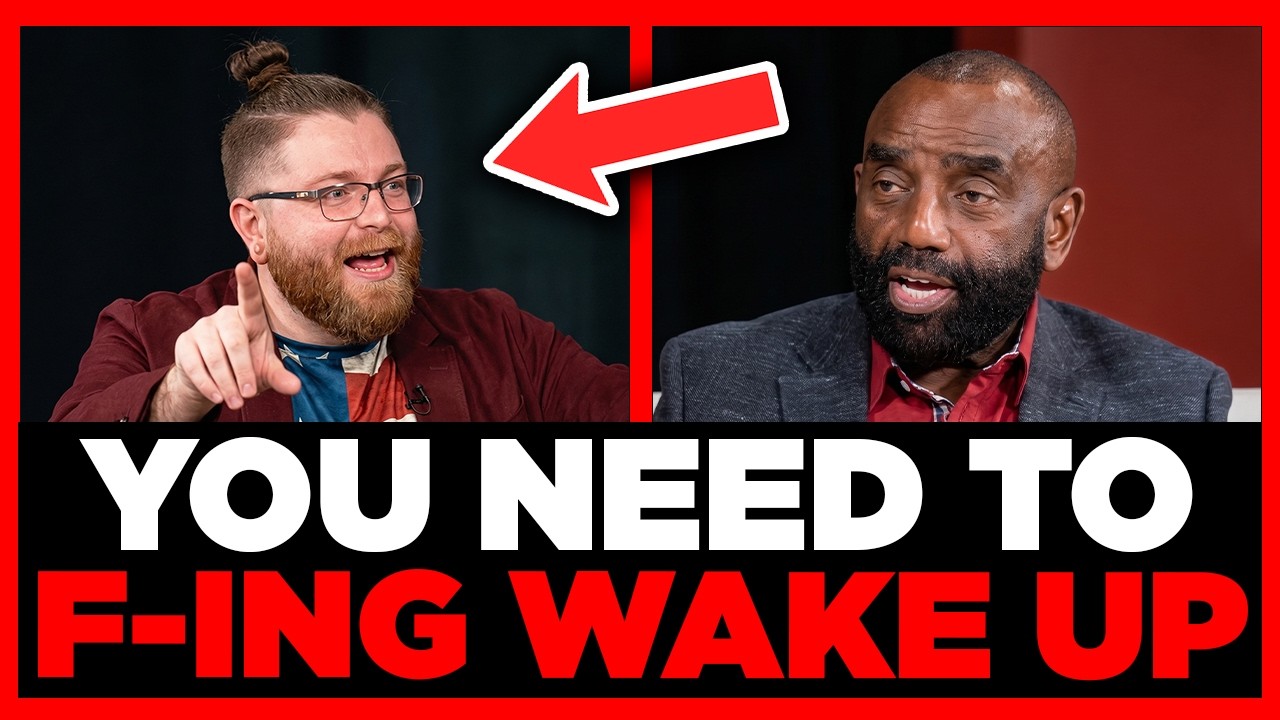
MAGA Pundit Jesse Lee Peterson GETS FACT CHECKED LIVE on NEWS TV
Posted
April 27, 2026
Views
6,142
Likes
133
Comments
30
Engagement
2.65%
April 27, 2026
6,142
133
30
2.65%
Every word spoken in this episode is indexed. Type any phrase to jump straight to the moment it was said.
Type any word or phrase that may have been spoken. Click a result to seek the player to that exact moment.
Try a name, a topic, or a quoted line
 14:14Now Playing
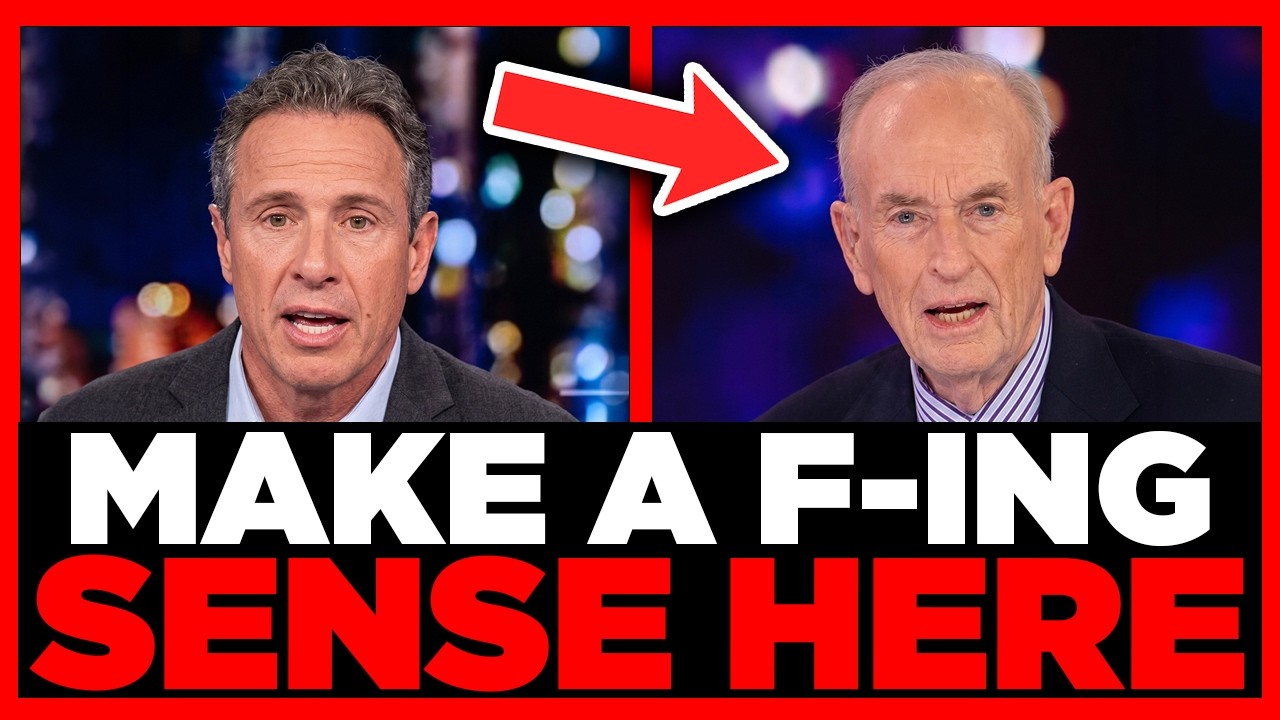
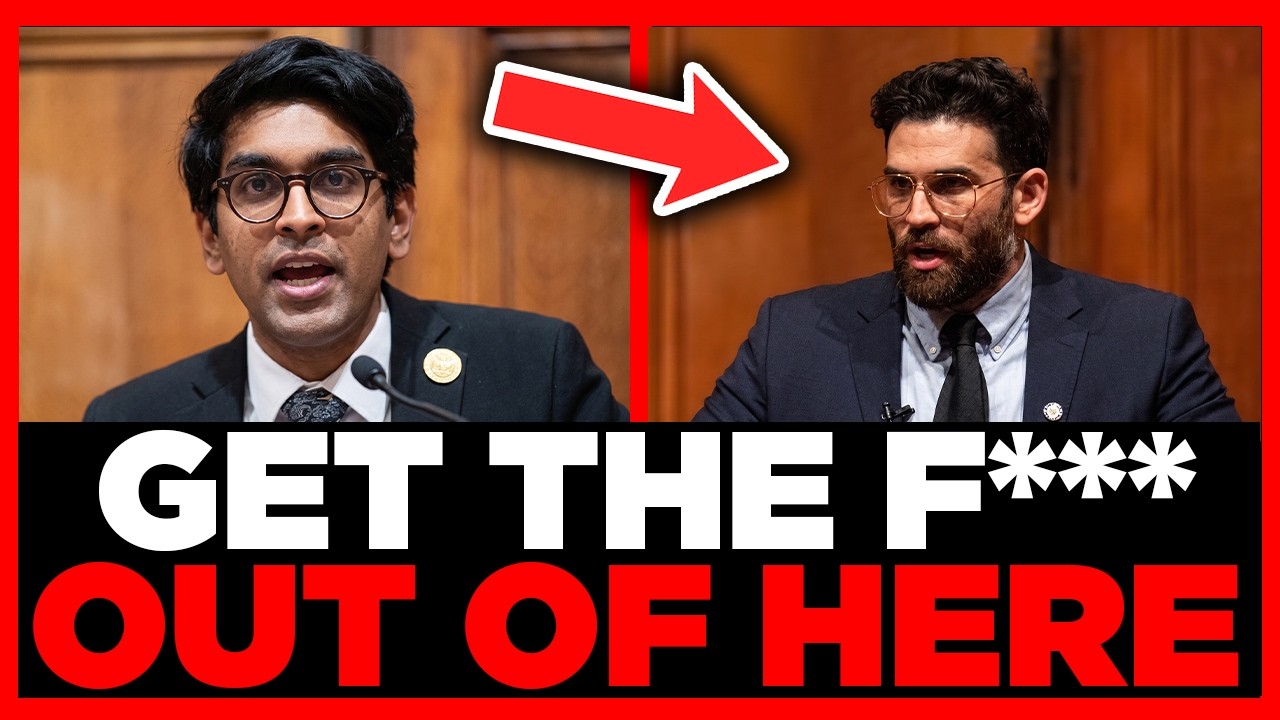
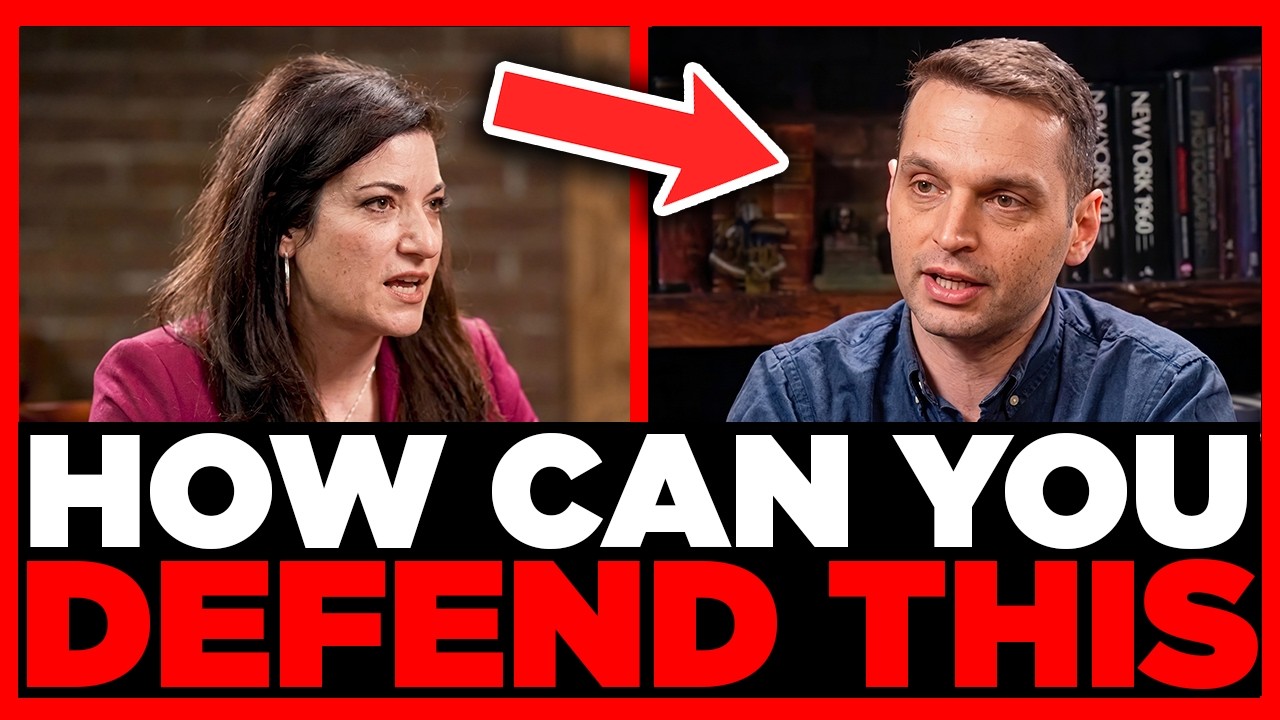
This intense political panel brings together Christopher Hahn, John Quelch, and Jesse Lee Peterson for a high-stakes debate that cuts across public health, economic policy, constitutional law, and the deeper cultural divides shaping modern political discourse. Hosted in a fast-paced broadcast format, the conversation quickly escalates into one of the most revealing exchanges on how different ideological frameworks interpret the same national crisis.
Christopher Hahn, a constitutional lawyer and political commentator, argues that legislative inaction during a time of crisis represents a clear failure of leadership. He emphasizes that the House of Representatives had already passed a relief bill, while the Senate stalled—raising serious questions about governance, accountability, and political priorities. Hahn’s perspective reflects a broader criticism often heard in policy debates: when government institutions delay action, real-world consequences fall on working families, small businesses, and vulnerable communities.
Economics professor John Quelch adds another layer to the discussion by challenging what he calls a “false dichotomy” between public health and economic recovery. His argument is rooted in economic data and global comparisons—suggesting that strong public health measures are not opposed to economic growth, but actually necessary for it. Quelch highlights the long-term costs of delayed or ineffective responses, including impacts on mental health, education, and national productivity. His contribution grounds the debate in measurable outcomes rather than partisan framing.
On the opposing side, conservative commentator Jesse Lee Peterson offers a radically different interpretation. He questions the severity of the crisis, framing it as politically motivated and driven by media narratives. His perspective reflects a broader skepticism toward institutions such as mainstream media, government agencies, and public health authorities. This clash of viewpoints creates one of the most striking dynamics of the panel—where empirical data, lived experience, and ideological belief collide in real time.
The debate also touches on constitutional limits and democratic safeguards. Hahn explains that election timelines are governed by the Constitution and cannot be altered unilaterally, reinforcing the idea that legal frameworks exist precisely to prevent overreach during moments of uncertainty. This moment shifts the conversation from opinion to legal reality, reminding viewers that institutional checks and balances play a critical role in maintaining democratic stability.
What makes this discussion especially compelling is not just the disagreement, but the underlying tension between trust and skepticism. Who should the public বিশ্বাস—experts, elected officials, or independent commentators? How do media narratives shape perception? And where is the line between healthy skepticism and misinformation? These are the questions that sit at the core of this exchange.
Beyond the heated arguments, there is also a deeper takeaway: many participants, despite their differences, are responding to the same fundamental concerns—public safety, economic security, and the integrity of democratic systems. The disagreement lies in how those problems are defined and solved.
This video offers a powerful snapshot of modern political debate, where facts, ideology, and emotion intersect. It’s a must-watch for anyone interested in political analysis, media influence, and the evolving nature of public discourse.
Join the discussion below:
Do you think the economy and public health can be balanced effectively?
Should governments act faster during crises, or proceed cautiously?
How do you evaluate conflicting information from experts and commentators?
If you found this breakdown valuable, consider liking the video, subscribing for more political debates and analysis, and sharing your perspective in the comments. Your voice is part of the conversation.
Sentinel Indexing in Progress
Metadata and chapters are available. Claim extraction for this episode is pending.
All video content is delivered via YouTube embedded players in accordance with the YouTube Terms of Service. Sentinel provides research tools that promote discovery and accountability across political media.